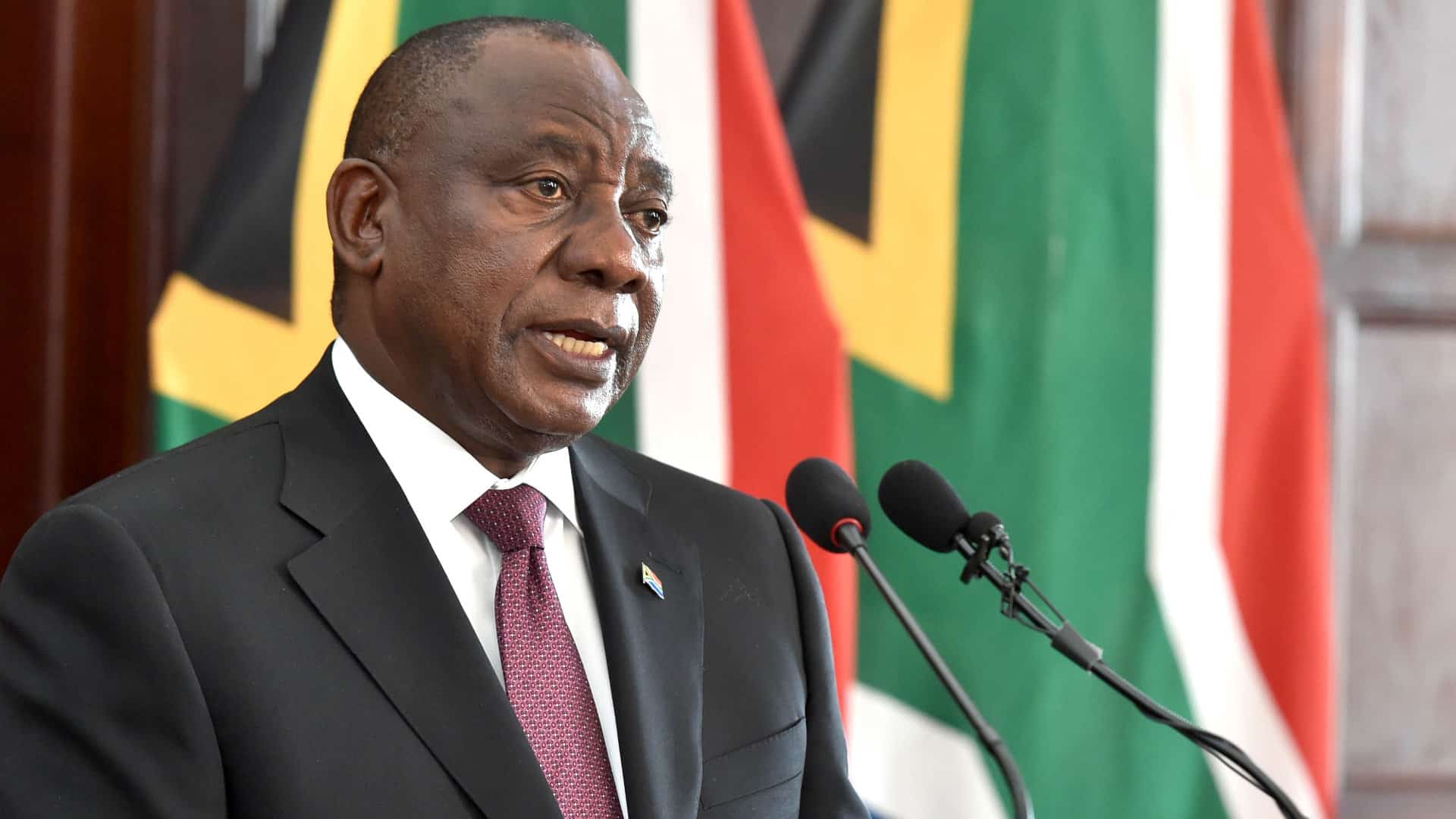
South African President Cyril Ramaphosa has dismissed Minister of Higher Education and Training, Dr. Nobuhle Nkabane, in the wake of criminal allegations and escalating internal strife within the country’s fragile ruling coalition.
The decision, announced Monday night, follows weeks of political turbulence and growing criticism aimed at Ramaphosa’s leadership from within the government itself.
Ramaphosa’s move came after the Democratic Alliance (DA), the second-largest party in South Africa’s 10-party unity government, filed criminal charges against Nkabane, accusing her of misleading parliament. The DA alleged that the minister lied in an effort to conceal what it described as the “fraudulent” appointment of African National Congress (ANC)-affiliated individuals to education oversight boards.
“President Cyril Ramaphosa has removed Dr Nobuhle Nkabane from the role of Minister and Higher Education and Training,” the presidency said in a late-night statement. The dismissal followed Nkabane’s repeated failure to appear before parliamentary committees to explain her actions regarding the controversial board appointments.
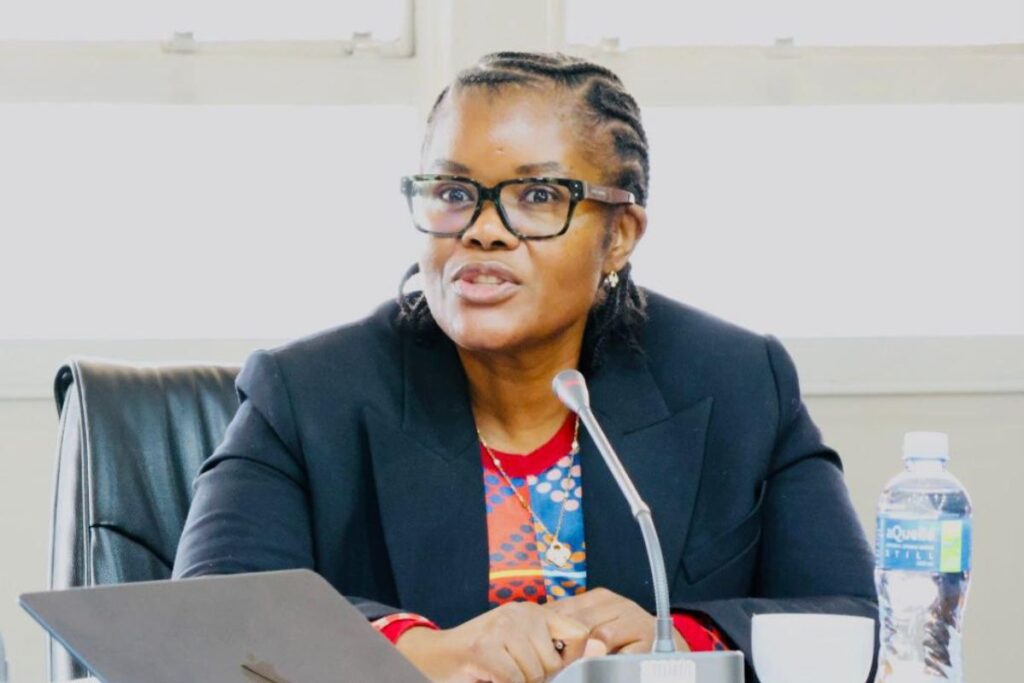
The fallout has added to Ramaphosa’s mounting challenges, as members of his own ANC party—long dogged by allegations of mismanagement and unethical conduct—face a growing number of corruption-related accusations. The president is attempting to maintain stability in a government now shared with opposition parties after the ANC lost its outright majority in last year’s general election, largely due to public frustration over widespread corruption and service delivery failures.
The Democratic Alliance, which joined the coalition after the ANC’s electoral decline, has been outspoken in its criticism of the current administration. The party has accused the president of overseeing a system where corruption has become “standard practice.” In addition to the complaint against Nkabane, the DA has also filed charges against Human Settlements Minister Thembi Simelane, alleging involvement in fraudulent billing tied to the national electricity supplier, Eskom.
The pressure on Ramaphosa intensified earlier this month when he was forced to suspend Police Minister Bheki Cele on July 13. The suspension followed serious accusations from a provincial police chief, who claimed the minister had accepted money from a suspect involved in corruption and had collaborated with organized criminal networks.
The string of scandals has brought South Africa’s persistent governance issues back into the spotlight. Transparency International currently ranks the country 82nd globally on its Corruption Perception Index, reflecting long-standing concerns about integrity and accountability in public institutions.
As the unity government struggles to retain credibility amid these developments, Ramaphosa’s leadership faces a critical test. His decisions in the coming weeks will likely determine whether the coalition can continue to function or whether deeper fractures will threaten its stability.
What you should know
Cyril Ramaphosa, President of South Africa since 2018, rose to power promising a renewed fight against corruption after the scandal-plagued tenure of Jacob Zuma.
Despite early optimism, his administration has been rocked by persistent allegations of graft and internal party tensions, especially following the ANC’s loss of majority in 2024—the first in the party’s post-apartheid history.