With just days remaining before potentially devastating trade penalties take effect, South Africa is mounting an intensive diplomatic campaign to prevent the United States from imposing sweeping 30-percent tariffs that could trigger massive job losses across the continent’s largest economy.
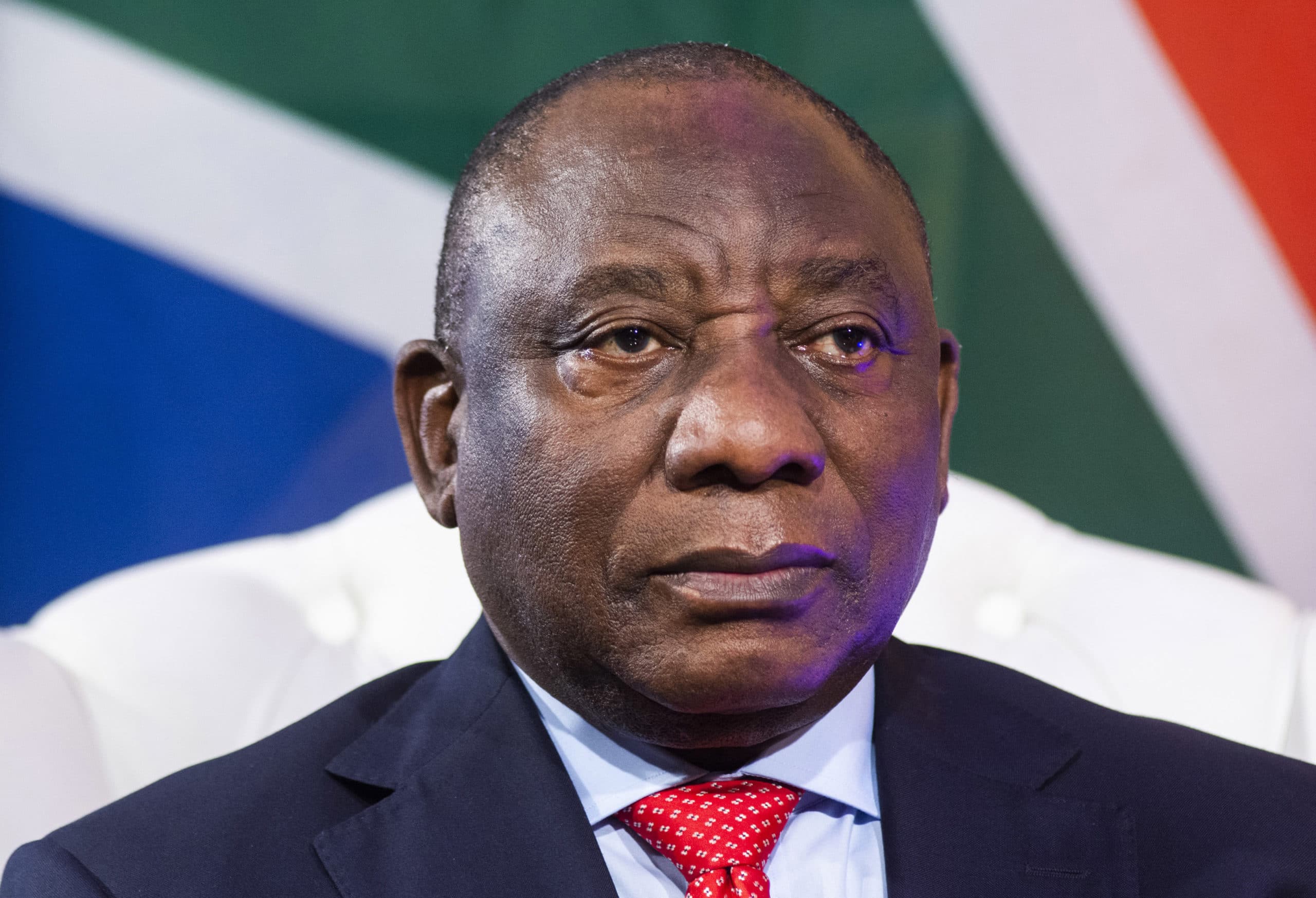
President Cyril Ramaphosa announced Friday that his government is using a critical week-long reprieve—granted after the Trump administration’s last-minute delay of tariffs originally scheduled to begin today—to engage in what he described as “hard negotiations” with Washington to protect South African workers and industries.
The stakes could hardly be higher for Africa’s most industrialized nation, which already grapples with unemployment exceeding 30 percent. Central bank governor Lesetja Kganyago has warned that the proposed tariffs could eliminate approximately 100,000 jobs, dealing a severe blow to an economy still recovering from years of sluggish growth.
“Within the window that’s still open, we’re hoping that we will find a way to settle this matter,” Ramaphosa told reporters, emphasizing the urgency of the situation. “Our task is to negotiate as strongly and as hard as we can with the United States. Our objective is to save jobs.”
The tariff threat places South Africa among nearly 70 countries caught in President Donald Trump’s broader trade offensive, targeting what his administration views as unfair trading practices. For South Africa, the timing is particularly precarious given that the United States ranks as its second-largest trading partner after China, making American market access crucial for key export sectors.
Agriculture and automotive manufacturing—two pillars of South Africa’s export economy—face the most severe impact from the proposed 30-percent levy. These sectors employ hundreds of thousands of workers and contribute significantly to the country’s foreign exchange earnings, making them vital to economic stability in a nation where formal employment remains scarce.
Recognizing the vulnerability of over-reliance on any single trading partner, Ramaphosa indicated that South Africa is simultaneously pursuing market diversification strategies. “It is too risky just to focus on one,” he noted, signaling a potential long-term shift in the country’s export strategy regardless of the current negotiations’ outcome.
In a bid to demonstrate good faith and economic partnership, South Africa has already put forward a comprehensive package of concessions to American negotiators. The trade ministry revealed this week that Pretoria is offering to increase imports of US liquefied natural gas and agricultural products—a move that could help address America’s trade deficit concerns while providing South Africa with much-needed energy resources.
Beyond immediate trade adjustments, South African companies have pledged substantial investments in American mining and metals-recycling industries, sectors where both countries possess comparative advantages. The proposal also includes joint ventures in critical minerals, pharmaceuticals, and agricultural machinery—areas identified as strategic priorities by both governments.
The negotiations reflect a broader recalibration of global trade relationships under the Trump administration’s “America First” approach, which has seen traditional allies and partners facing unprecedented economic pressure. For South Africa, successfully navigating these talks could provide a template for managing similar challenges with other major trading partners.
However, the compressed timeline leaves little room for extended deliberation. With the August 7 deadline approaching rapidly, South African negotiators must balance domestic economic interests with American demands while maintaining the country’s broader diplomatic relationships across the continent and globally.
The outcome of these talks will likely influence not only South Africa’s immediate economic prospects but also set precedents for how middle-income nations navigate an increasingly protectionist global trading environment. For the hundreds of thousands of South African workers whose livelihoods depend on export industries, the next week may prove decisive in determining their economic future.
As negotiations continue behind closed doors, South Africa’s business community and labor unions are watching closely, aware that the results could reshape the country’s economic landscape for years to come.
WHAT YOU SHOULD KNOW
South Africa has until August 7 to negotiate with the US and avoid devastating 30% tariffs that could cost 100,000 jobs. President Ramaphosa is leading urgent talks, offering trade concessions including increased US gas imports and investment commitments.
With unemployment already above 30%, these negotiations are critical for Africa’s largest economy, which relies heavily on the US as its second-biggest trading partner after China. The outcome will determine whether South Africa can protect its key agriculture and automotive sectors while potentially reshaping its global trade strategy.