Vice President Kashim Shettima has returned to Abuja following a week-long diplomatic and economic engagement in Guinea-Conakry and Switzerland, declaring that Nigeria has successfully reasserted itself as a key voice in regional and global policy conversations.
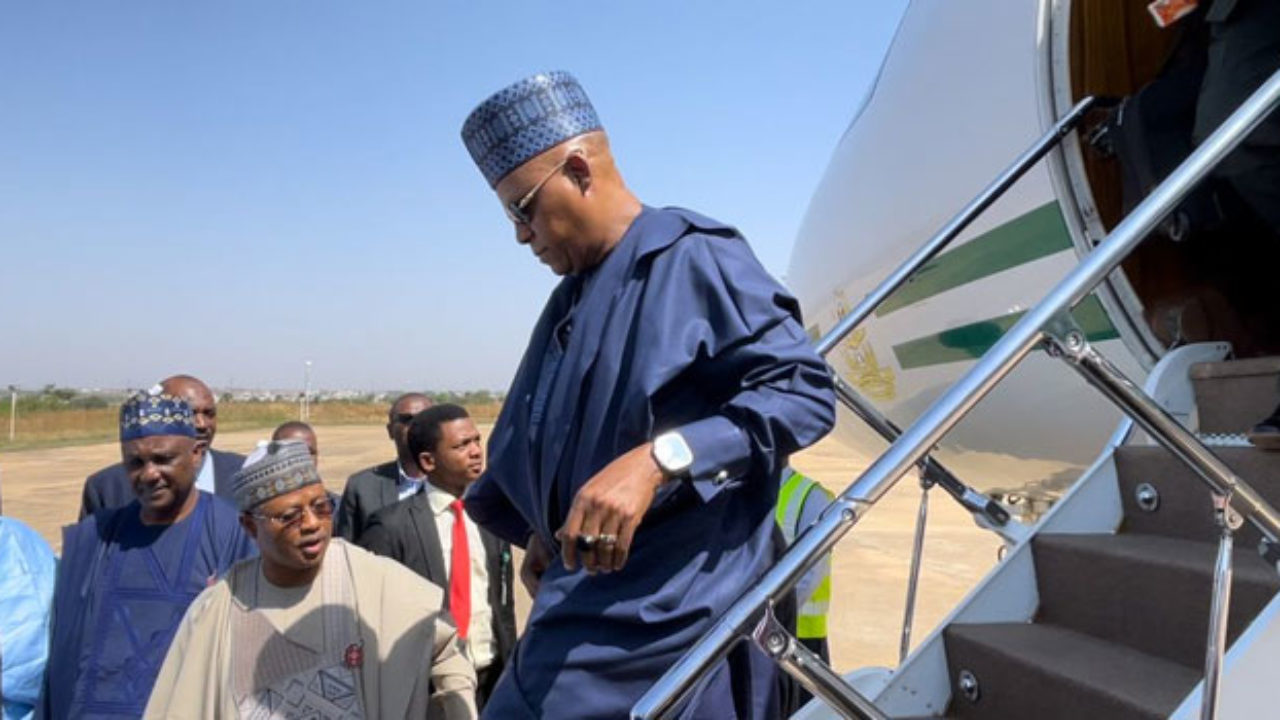
According to a statement issued by his Senior Special Assistant on Media and Communication, Stanley Nkwocha, the Vice President arrived at the Nnamdi Azikiwe International Airport on Saturday after concluding the high-level mission.
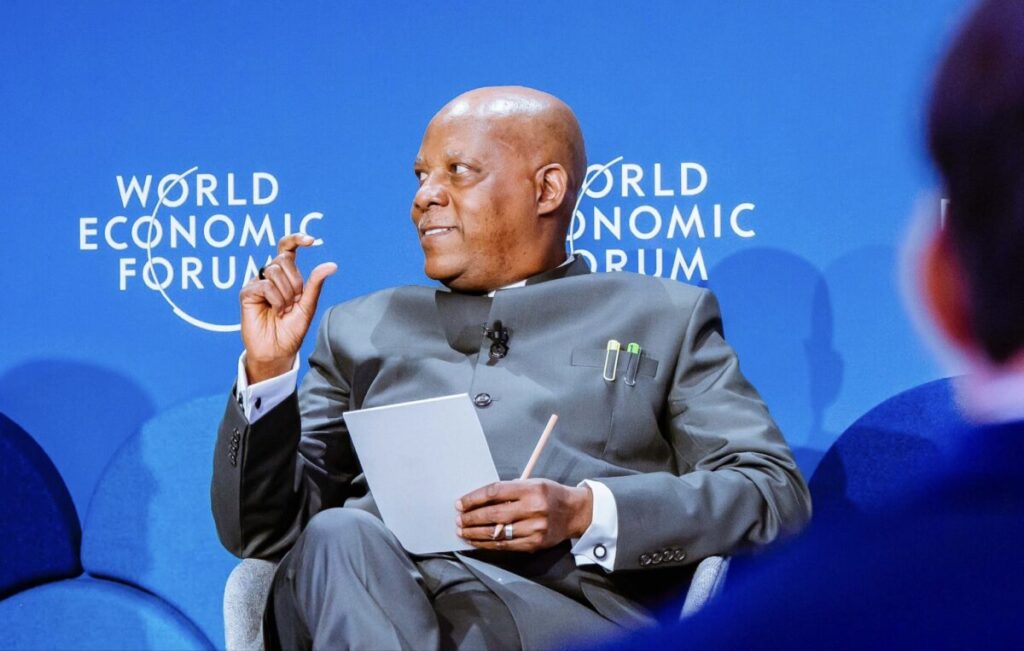
Shettima had represented President Bola Tinubu at the inauguration of Guinea’s President, Mamadi Doumbouya, before proceeding to Switzerland, where he led Nigeria’s delegation to the 56th Annual Meeting of the World Economic Forum (WEF) in Davos.
Reflecting on the trip, the Vice President said the engagements underscored Nigeria’s renewed dedication to regional cooperation in West Africa and its resolve to reposition the nation’s economy in line with President Tinubu’s Renewed Hope agenda.
His first stop was Conakry, where his presence at President Doumbouya’s inauguration reaffirmed Nigeria’s leadership role within the Economic Community of West African States (ECOWAS) and helped strengthen diplomatic ties. Discussions during the visit also explored new areas of bilateral collaboration, particularly in agriculture and manufacturing.
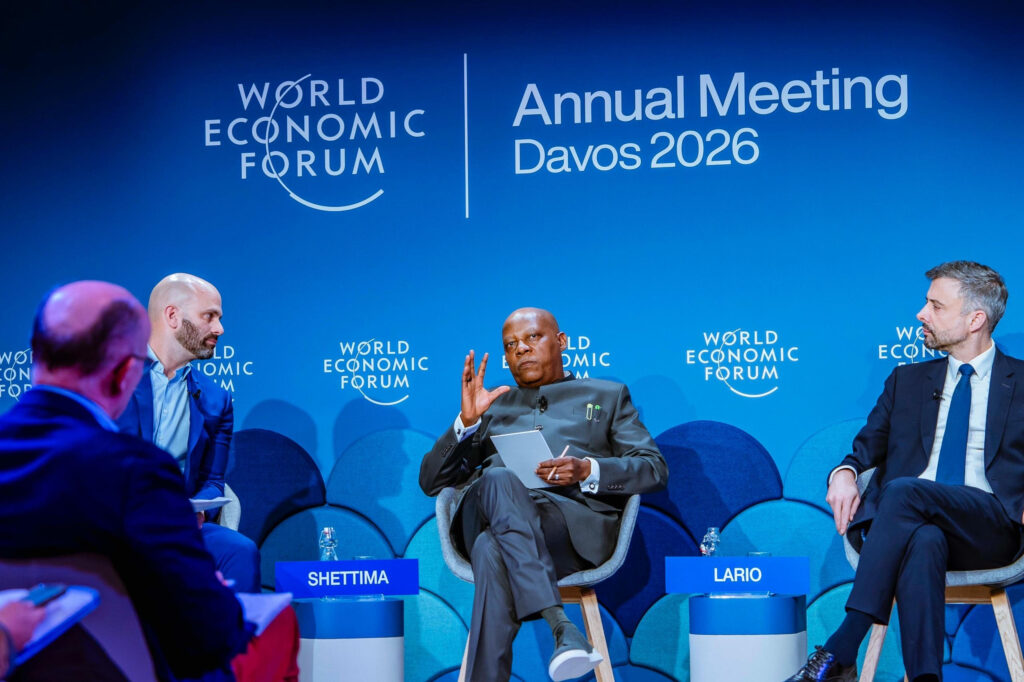
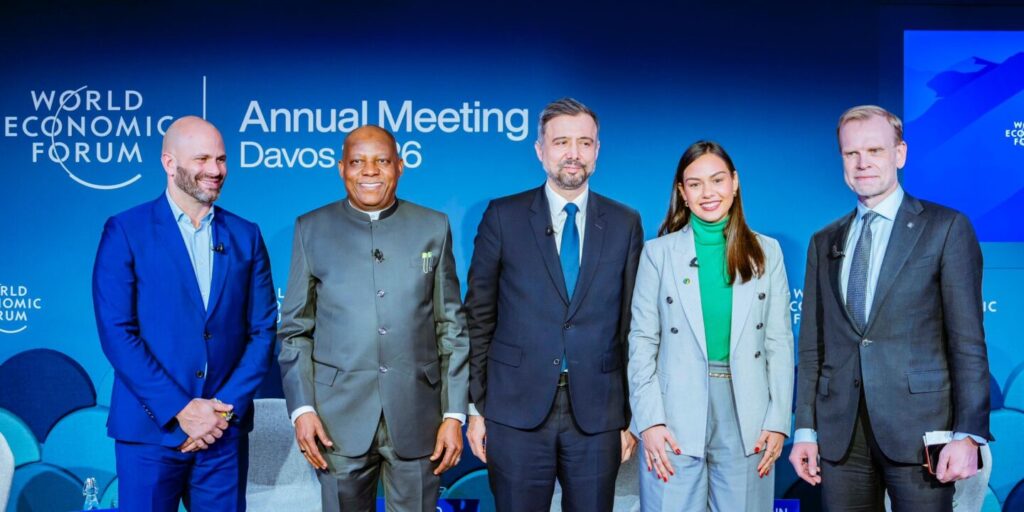
From Guinea-Conakry, Shettima travelled to Davos to participate in WEF 2026, where he spearheaded Nigeria’s representation at the global economic forum. One of the major highlights of the trip was the formal commissioning of Nigeria House Davos, described as the country’s first sovereign pavilion on the Davos Promenade.
The pavilion is designed to serve as a permanent investment and engagement hub, showcasing Nigeria’s opportunities across solid minerals, agriculture, and the rapidly expanding digital economy.
While addressing a high-level WEF session themed “When Food Becomes Security,” the Vice President unveiled Nigeria’s evolving national food security framework, positioning agriculture as a core component of national security, economic resilience, and macroeconomic stability.
He also participated in discussions alongside former President Olusegun Obasanjo, former Vice President Yemi Osinbajo, and Minister of Finance Wale Edun to promote the Accra Reset Initiative, a platform focused on driving African industrialisation through domestic capital, value chains, and self-reliance rather than dependence on foreign aid.
On Nigeria’s economic outlook, Shettima reassured investors that key macroeconomic indicators were improving. He cited projections of 4.4 percent GDP growth in 2026 and a reduction in inflation to 12.94 per cent as evidence of stabilisation.
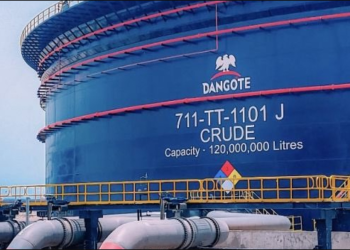
He further noted Nigeria’s impending shift to becoming a net exporter of refined petroleum products, driven largely by the Dangote Refinery, alongside the country’s increasing role in exporting digital talent to global markets.
What you should know
Vice President Kashim Shettima’s engagements in Guinea-Conakry and Davos signal Nigeria’s renewed push for diplomatic relevance and economic repositioning under the Tinubu administration.
The commissioning of Nigeria House Davos marks a strategic effort to attract long-term investment, while discussions on food security, industrialisation, and energy exports highlight the government’s focus on economic resilience, regional leadership, and global competitiveness.