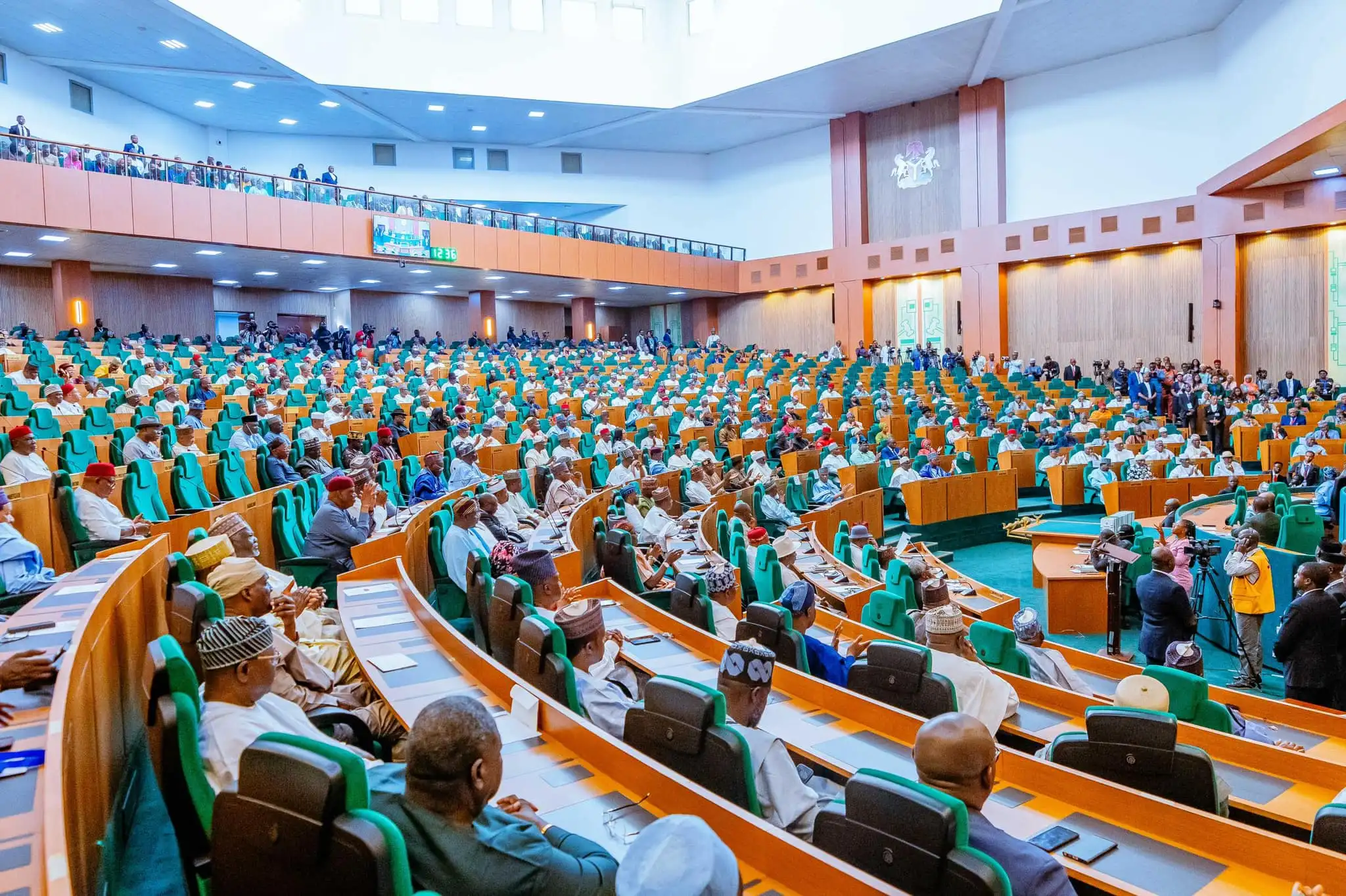
In a significant political shift within Akwa Ibom State, seven members of the House of Representatives have defected to the ruling All Progressives Congress (APC), marking a deepening realignment in the state’s political landscape.
Six of the defectors crossed over from the Peoples Democratic Party (PDP), while one abandoned the Young Progressives Party (YPP) to align with the APC.
The defecting lawmakers include Unyime Idem, Martins Esin, Paul Ekpo, Uduak Odudoh, Okpolu Etteha, and Bassey Okon—all of whom previously belonged to the PDP. Emmanuel Ukpong-Udo, on the other hand, moved from the YPP.
Their decision comes on the heels of a major political development in the state: the defection of Governor Umo Eno from the PDP to the APC.
Governor Eno, who assumed office in May 2023 after winning the March gubernatorial election, formally announced his switch to the APC in June 2025.
In his public declaration, the governor emphasized that his move was rooted in a commitment to national economic reforms spearheaded by President Bola Tinubu. “Having completed the rounds of my consultations as your servant, I have therefore decided to progressively move to the All Progressives Congress (APC),” Eno stated, underscoring that his decision was not borne out of weakness but strength.
Eno’s political realignment did not stop at personal repositioning. He urged members of his administration, including commissioners and appointees, to follow him into the APC fold or vacate their offices. This directive appears to have catalyzed a chain reaction among lawmakers and political figures from the state, who are now choosing to align themselves with the ruling party.
The governor’s defection comes at a time when the APC is gaining traction in Nigeria’s South-South geopolitical zone. Notably, Akwa Ibom is also home to Senate President Godswill Akpabio, a powerful APC stalwart, which may have further encouraged Eno’s transition and the broader wave of defections.
Just weeks prior, Delta State Governor Sheriff Oborevwori had also dumped the PDP for the APC, signaling a broader trend among governors from the opposition seeking alignment with the center.
Eno’s decision to defect may be interpreted as a strategic effort to align state-level governance with federal leadership, especially in light of the pressing economic challenges that require cooperative federalism and synergy between tiers of government.
Born on April 24, 1964, Umo Eno hails from Ikot Ekpene Udo in the Nsit Ubium Local Government Area of Akwa Ibom. The son of a former chief superintendent of police, Mr. Basey Umo Eno, and Deaconess Eka Umo Eno, the governor has cultivated an image of pragmatism and calculated leadership since taking office.
The recent wave of defections significantly alters the political landscape in Akwa Ibom, once a PDP stronghold, and is likely to impact both the internal dynamics of the state’s legislative delegation and its future political direction. Analysts predict further realignments may unfold in the weeks ahead as political actors position themselves for 2027.
What you should know
Governor Umo Eno’s decision to leave the PDP for the APC has triggered a ripple effect across Akwa Ibom’s political elite, resulting in the defection of seven federal lawmakers. His alignment with President Tinubu’s economic vision and insistence that his appointees follow suit marks a turning point for the state’s political future.