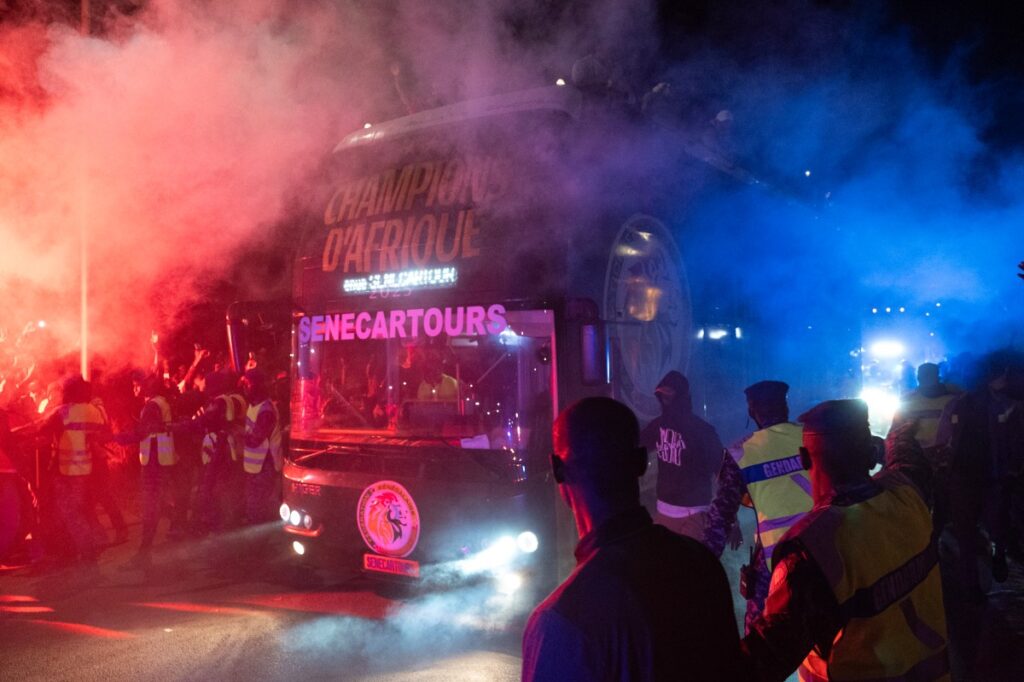
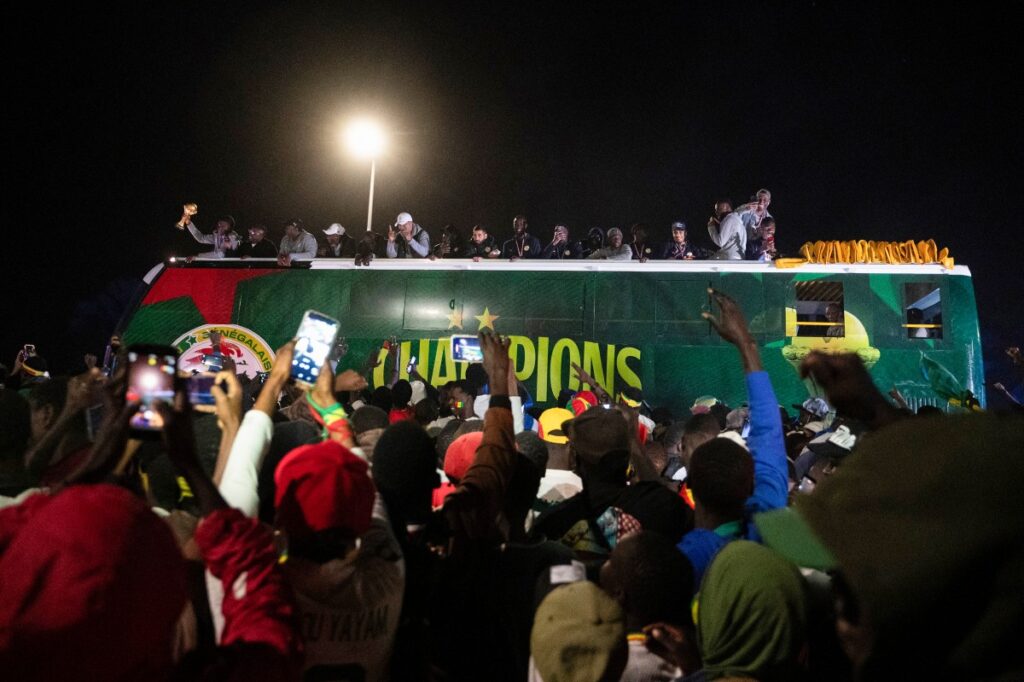
Fresh from their Africa Cup of Nations success, Senegal’s national football team will parade through the streets of Dakar on Tuesday, bringing their celebratory journey to a close at the presidential palace.
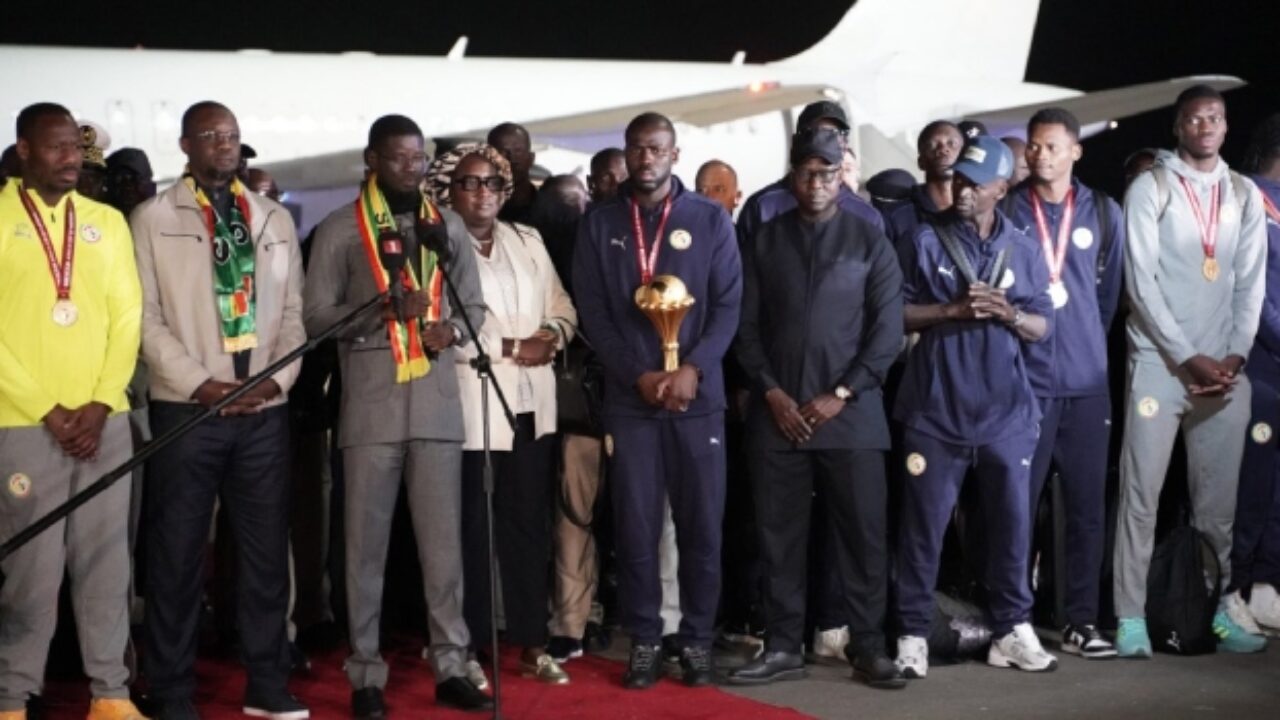
The players touched down in the Senegalese capital shortly before midnight on Monday aboard a special flight from Morocco. They were welcomed at the airport by President Bassirou Diomaye Faye, Prime Minister Ousmane Sonko, and senior government officials.
Senegal sealed the continental title in Rabat on Sunday, edging hosts Morocco 1-0 in extra time after Pape Gueye’s decisive strike in a dramatic final that saw the champions briefly walk off the pitch late in the contest.
The planned “grand parade” will wind through Dakar’s streets, which have been adorned with banners in the national colours. Celebrations are scheduled to begin at 11:00 am local time and are expected to stretch across several hours, although organisers have warned that the late arrival of the team on Monday could push back the start.
The procession will move through a mix of working-class districts and affluent neighbourhoods before heading along the capital’s famed Corniche, overlooking the Atlantic Ocean, where tens of thousands of supporters are expected to gather. The festivities will culminate with an official reception for the players in front of the presidential palace later in the day.
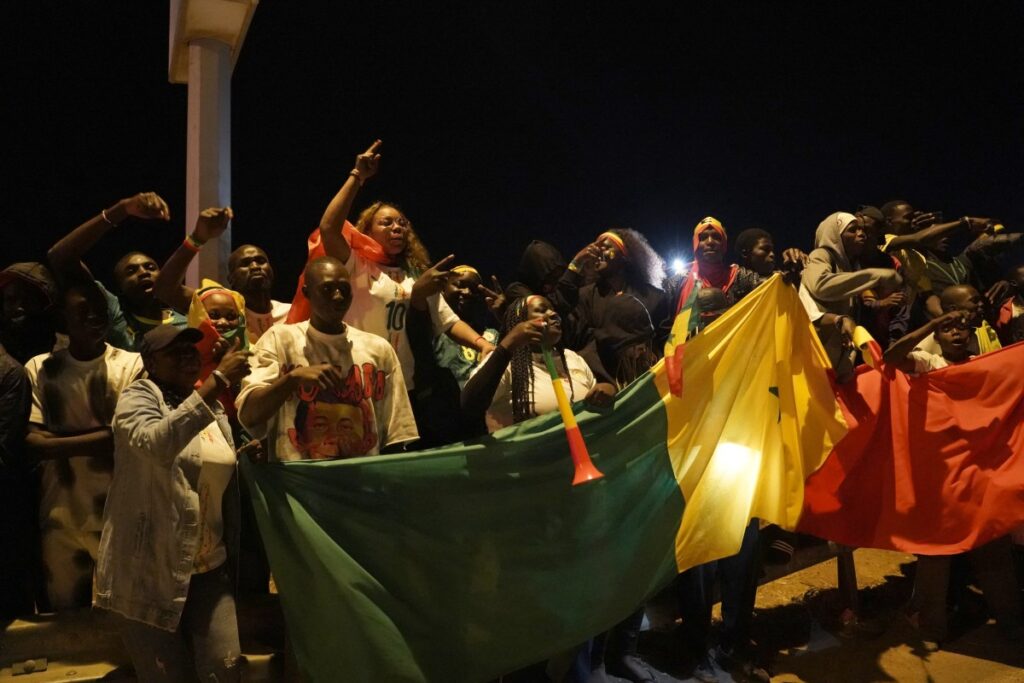
Dakar erupted in celebration on Sunday night following the victory, with car horns, fireworks and the piercing sound of vuvuzelas filling the air as fans poured into the streets. The jubilant mood carried on into Monday night, extending the nationwide revelry.
Local newspapers captured the euphoria, with Le Soleil running the single-word headline “Heroic!” while L’Observateur described the achievement as “Unforgettable”.
Despite the celebrations, the final itself was steeped in controversy. The showpiece match was disrupted when, deep into injury time and with the score still 0-0, referee Jean-Jacques Ndala awarded Morocco a penalty after a VAR review for a challenge on Brahim Diaz.
The decision infuriated Senegal, who had seen a goal ruled out moments earlier for what appeared to be a soft foul.
As tempers flared, most of the Senegalese players left the field in protest, while clashes broke out between some of their supporters and Moroccan security personnel in the stands. Order was eventually restored, and the players returned to the pitch, where Diaz sent a weak penalty straight into the arms of Senegal goalkeeper Edouard Mendy.
Following the match, the Moroccan Football Federation confirmed it had referred the incidents involving Senegal’s players and fans to the Confederation of African Football and FIFA.
On Tuesday morning, however, Senegalese supporters showed little concern for the controversy. The sound of vuvuzelas once again echoed across Dakar as residents lined the parade route, music blaring and flags waving in celebration of a historic triumph.
What you should know
Senegal’s AFCON victory marks another milestone in the country’s growing football legacy, reinforcing its status as a dominant force on the continent.
While the final was overshadowed by protests and disciplinary questions, the title itself has united fans nationwide, triggering widespread celebrations.
The parade through Dakar reflects the cultural importance of football in Senegal and offers a symbolic moment of national pride, even as CAF and FIFA continue to examine the fallout from the chaotic final.