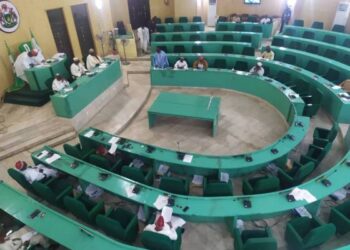
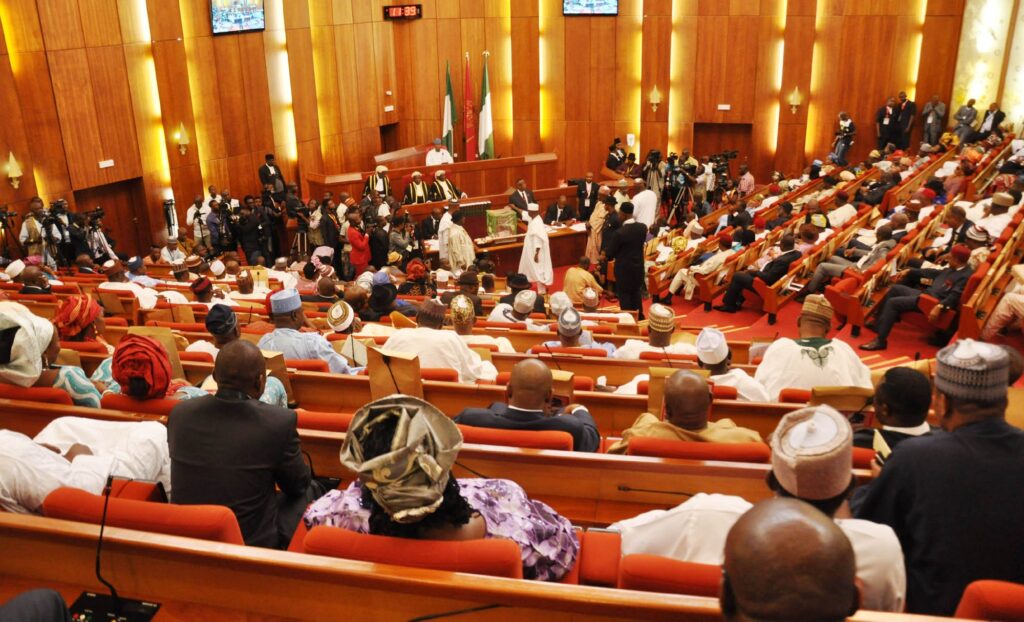
Efforts by the National Assembly to amend the 2022 Electoral Act faced an unexpected setback on Thursday as discussions in the Senate grew heated during plenary.
The legislative process began with a lead debate led by Senator Simon Lalong (Plateau South), Chairman of the Senate Committee on Electoral Matters, who presented the proposed amendments for consideration. However, the motion soon met resistance from several lawmakers during the general debate, preventing further progress on the bill.
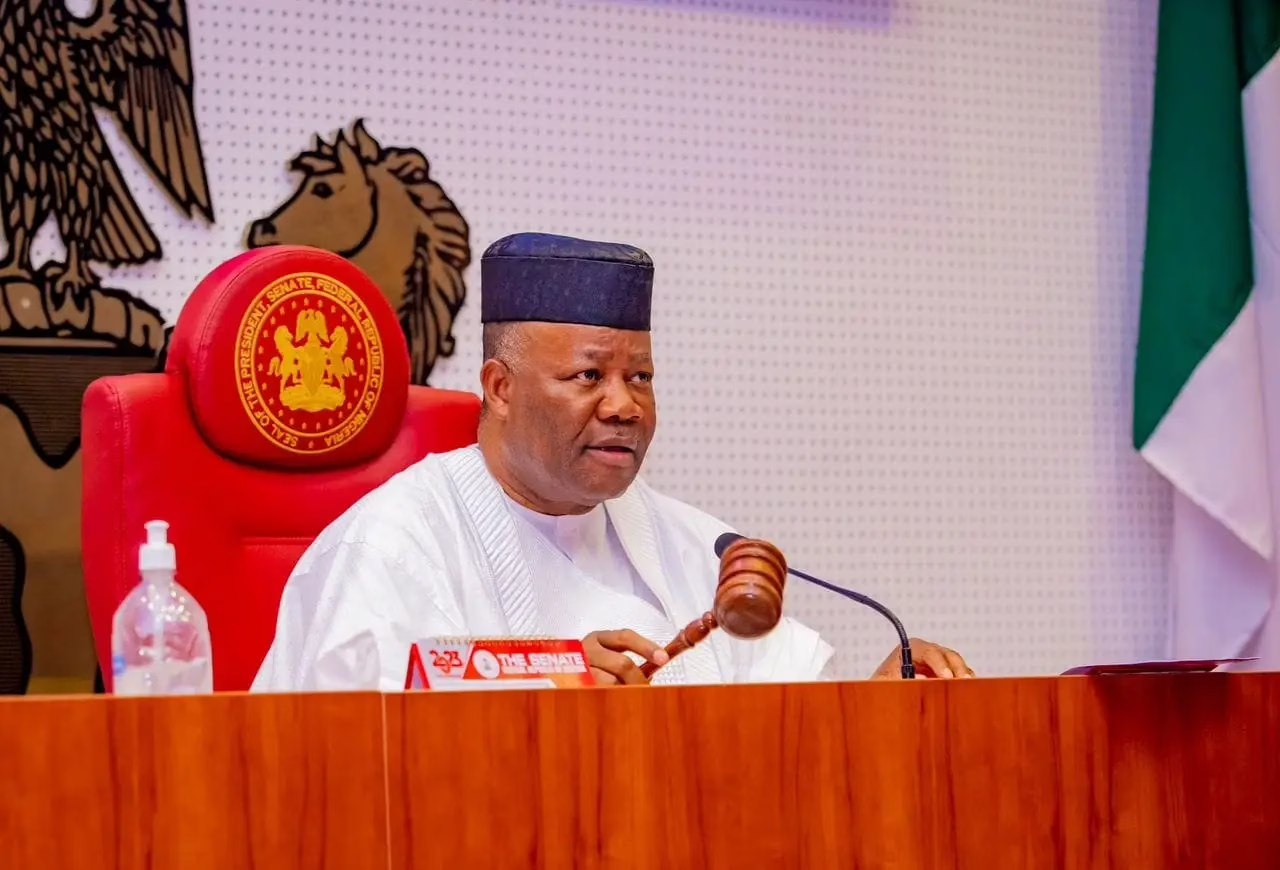
As the debate intensified, Senate President Godswill Akpabio revisited events from the 2019 general elections, recounting his personal experience of alleged electoral malpractice during his campaign for the Akwa Ibom West Senatorial seat.
Akpabio expressed frustration that although Peter Ogban, the returning officer, was prosecuted and later jailed for electoral misconduct, the Resident Electoral Commissioner (REC) at the time, Mike Igini, who he claimed played a greater role in the irregularities, was never brought to justice.
The session, marked by strong disagreements among senators, ended with a resolution to step down the Electoral Act Amendment Bill to allow for further consultation and wider stakeholder engagement before reconsideration on another legislative day.
What You Should Know
The proposed amendment to the 2022 Electoral Act aims to address operational and legal gaps identified in recent elections.
However, differing opinions among senators, coupled with unresolved political sentiments, have delayed its progression, underscoring the complex nature of Nigeria’s electoral reform process.