The Nigerian Senate has formally confirmed the appointments of chairpersons and board members across four statutory agencies in Rivers State.
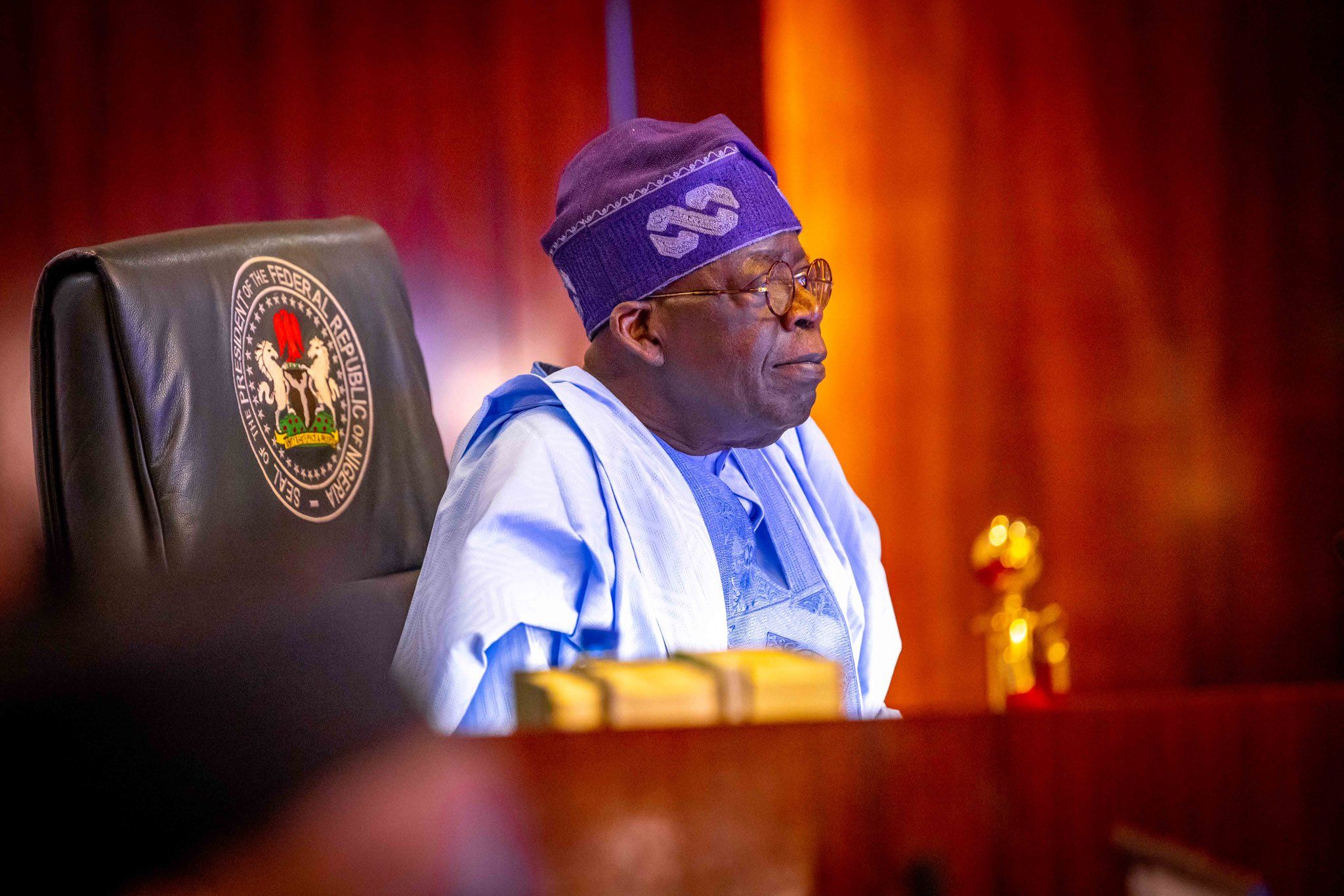
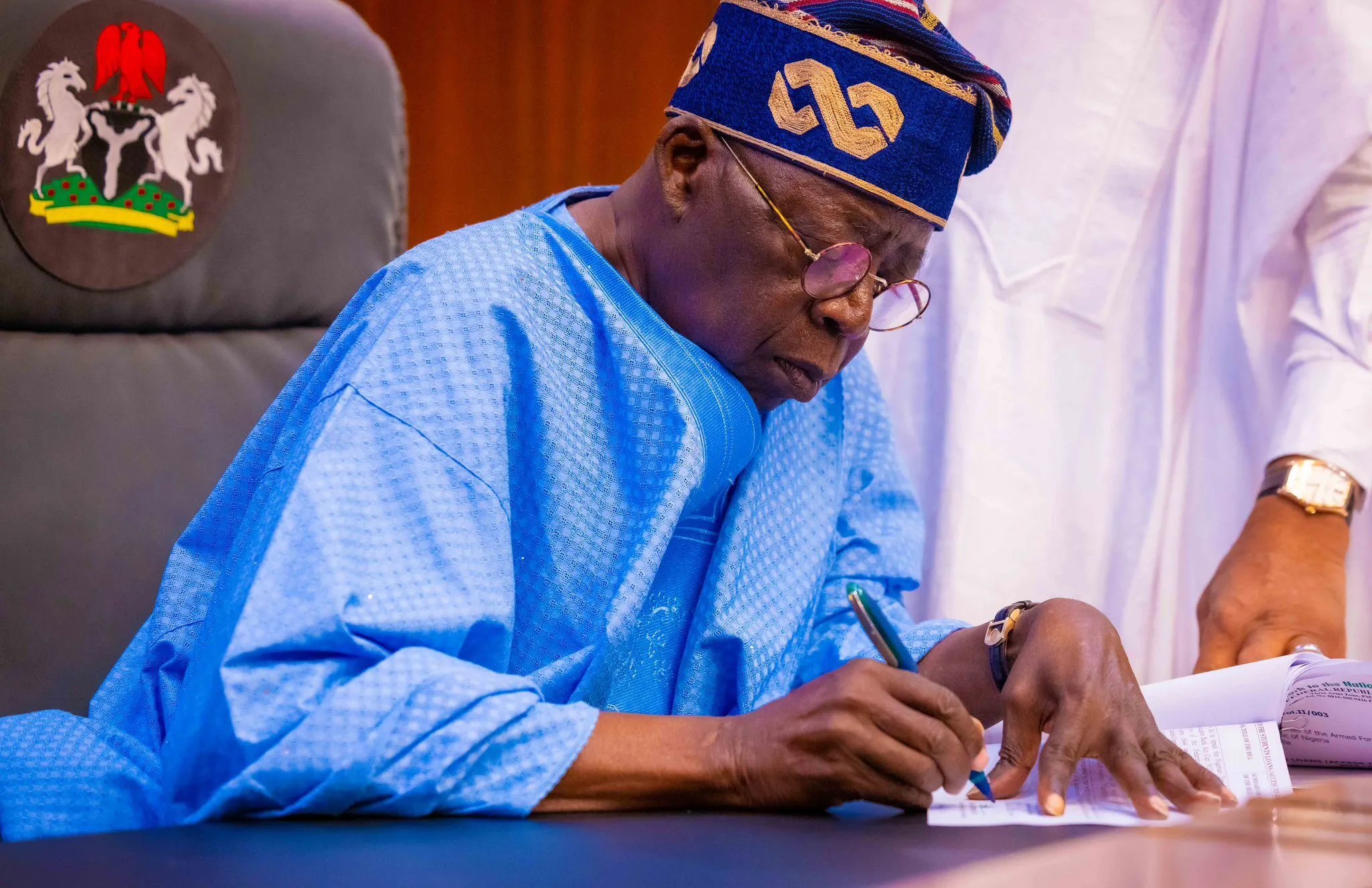
These confirmations came following nominations presented by President Bola Ahmed Tinubu and the submission of the screening report by the Committee on Emergency Rule in Rivers State.
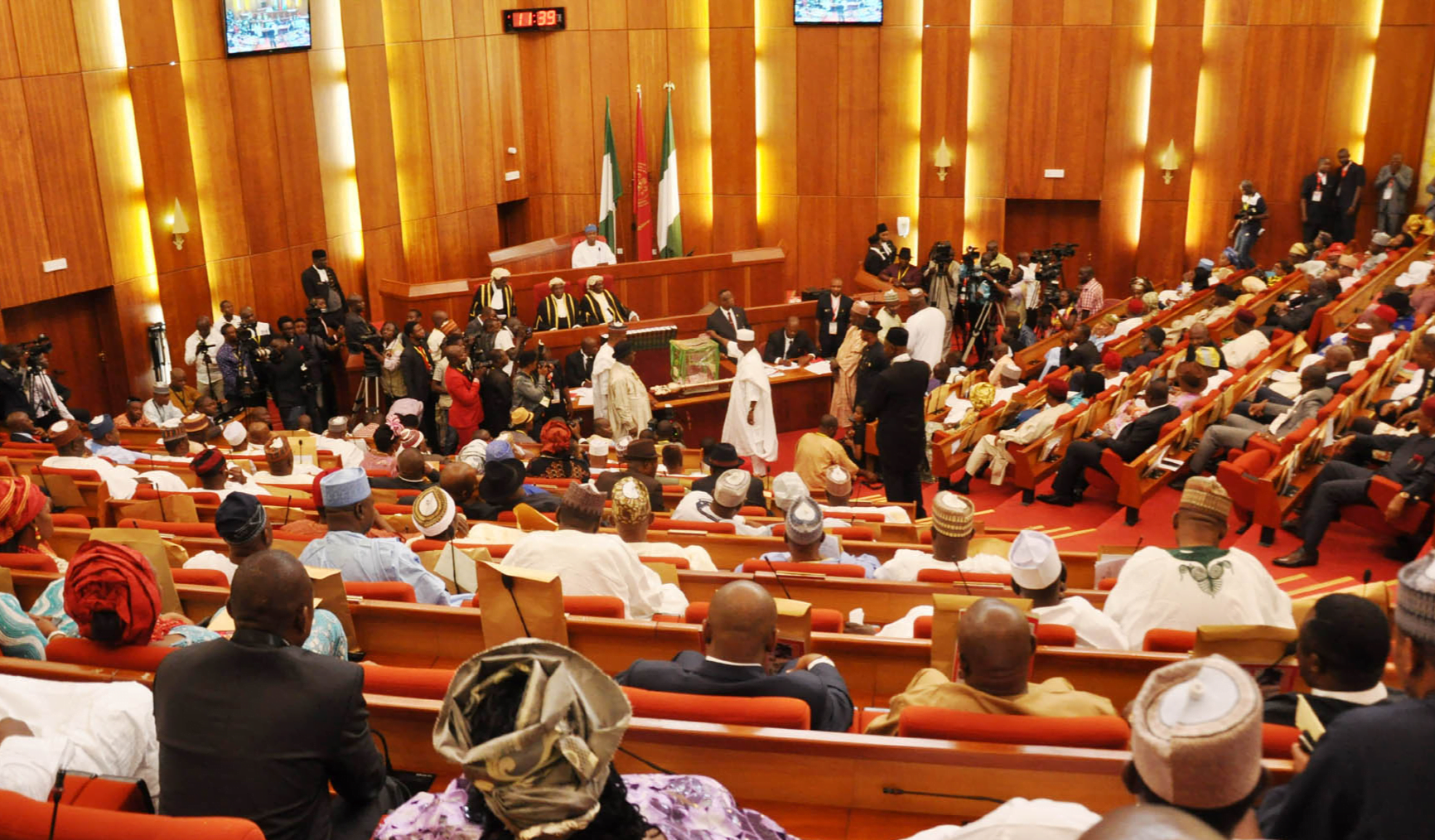
At Wednesday’s plenary in Abuja, the Chairman of the committee, Senator Opeyemi Bamidele, who represents Ekiti State under the All Progressives Congress (APC), laid before the chamber the outcome of the screening process for the nominees. The senators, after considering the report, gave their approval to the list of nominees, affirming their suitability for the various positions.
Following the committee’s recommendations, the Senate confirmed appointments for the Rivers State Civil Service Commission, the Rivers State Independent Electoral Commission (RSIEC), the Local Government Service Commission, and the Rivers State Primary Health Care Management Board. Additional confirmations were made for individuals representing federal ministries and key institutions in Rivers State.
Senator Bamidele, while addressing the chamber, informed his colleagues that the nominees answered all questions posed to them during screening satisfactorily. He explained that their qualifications were reviewed and security clearances were conducted without any adverse findings. He added that no petitions were submitted against any of the candidates.
Despite the general consensus in favor of the confirmations, the proceedings were not without dissent. Three senators—Abdul Ningi from Bauchi State, Ali Ndume representing Borno State, and Abba Moro from Benue State—raised objections to the nomination of the RSIEC chairman. They pointed out that the nominee, Dr. Michael Ekpai Odey, hails from Cross River State, the same state as the recently appointed Rivers State Sole Administrator. They questioned the rationale behind choosing someone outside of Rivers State when the region had capable individuals who could serve in the role.
Senator Ningi noted that appointing a non-indigene to such a sensitive position might not reflect the federal character principle, adding that Rivers State possessed the human resources needed to fill the office. In his remarks, Senator Ndume called for a more measured and constitutionally guided approach to approving such appointments, emphasizing that the Senate should not rubber-stamp decisions without thorough consideration. Senator Moro supported this view, expressing concerns over the broader implications for state representation and political balance.
Responding to these concerns, the Senate Chief Whip, Senator Mohammed Monguno of Borno State, countered the objections, stating that the appointment of the RSIEC chairman did not violate any legal provision. He stressed that the constitution remained the foundation for such decisions and maintained that, under the current legal framework, there was no restriction preventing a non-indigene from assuming the position.
Senator Bamidele, defending the committee’s recommendation, cautioned against injecting politics into the issue. He reminded the chamber that if senators believed the judiciary’s interpretation of the law on such appointments was flawed, the appropriate response would be to initiate legislative amendments, not to challenge it through political rhetoric.
While the majority of the nominees were confirmed without issue, one individual, Victoria Poma Samuel, who was nominated to represent the Ministry of Local Government Affairs on the Rivers State Primary Health Care Management Board, was not confirmed. Her nomination was held back due to her absence during the screening exercise.
The confirmations also included representatives from the Ministries of Health, Women Affairs, Finance, and Justice, alongside representatives from the Association of Local Governments of Nigeria (ALGON) and the Local Government Civil Service Commission.
In presenting the final report, Senator Bamidele reiterated that the process had been transparent and inclusive, with the committee having performed its oversight duties diligently. He urged the Senate to approve the appointments in the interest of governance continuity and institutional stability in Rivers State.
What you should know
The Senate’s confirmation of board appointments in Rivers State has spotlighted a growing debate over the representation of indigenes in sensitive state roles.
While most nominees faced no opposition, the selection of a Cross River indigene to head the Rivers electoral body stirred constitutional and political questions. This highlights ongoing tensions about federal appointments and the interpretation of state autonomy in Nigeria’s political landscape.