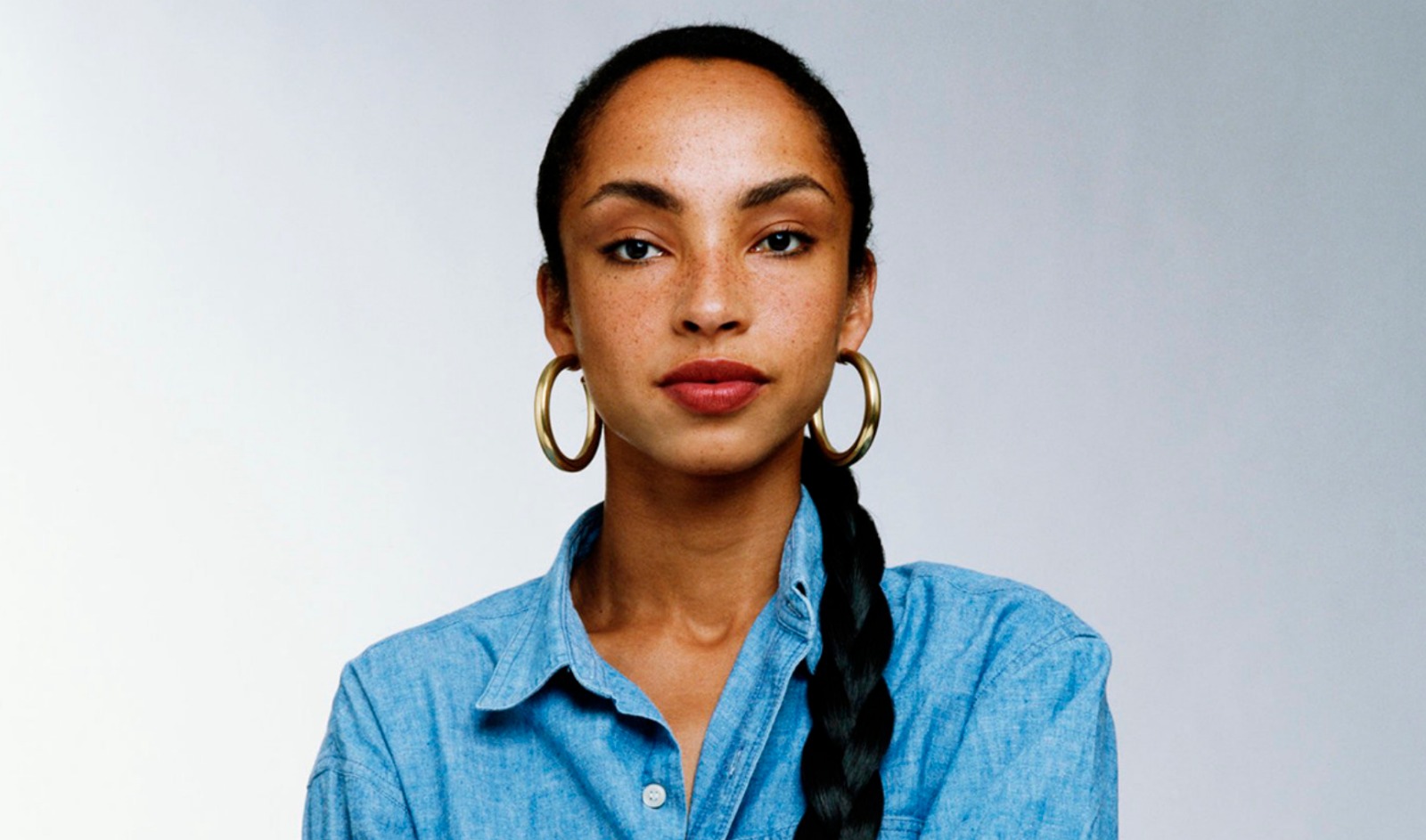
Nigerian-British singer Helen Folasade Adu, better known simply as “Sade,” has once again earned a coveted spot on the ballot for induction into the “Rock & Roll Hall of Fame.”
The announcement of the 2026 nominees, released on February 25, 2026, marks her second consecutive nomination following her initial appearance on the 2024 ballot.
The Rock Hall’s eclectic 2026 class of 17 performer nominees spans generations and genres, featuring first-time hopefuls such as Phil Collins, Shakira, Lauryn Hill, Luther Vandross, Wu-Tang Clan, New Edition, Melissa Etheridge, and Jeff Buckley, alongside returning names like Mariah Carey (third time), Oasis, Iron Maiden, Joy Division/New Order, Pink, Billy Idol, INXS, and The Black Crowes.
Sade’s inclusion alongside these artists underscores the Hall’s ongoing effort to broaden its definition of “rock & roll” beyond guitar-driven sounds to embrace influential figures in soul, jazz, R&B, and smooth, sophisticated pop.
Born in Ibadan, Nigeria, in 1959 to a Nigerian father and English mother, Sade Adu moved to England as a child and grew up in Essex. She rose to international prominence in the early 1980s as the lead vocalist and songwriter of the band “Sade” (also featuring longtime collaborators Stuart Matthewman on saxophone and guitar, Paul Spencer Denman on bass, and Andrew Hale on keyboards).
The group’s self-titled debut album, Diamond Life (1984), introduced the world to a distinctive blend of jazz-inflected rhythms, elegant arrangements, and Adu’s velvety, understated voice—delivering timeless hits like “Your Love Is King” and the iconic “Smooth Operator.”
While the Rock & Roll Hall of Fame has historically focused on guitar-centric rock traditions, the institution has increasingly recognized artists whose work profoundly shaped popular music’s evolution.
Sade’s nomination positions her alongside legends like Elvis Presley, The Beatles, Aretha Franklin, and others whose innovations transcended strict genre boundaries to influence the broader landscape of rock & roll and its offshoots.
Her smooth, soulful sound—often described as “quiet storm” sophistication—helped pave the way for later generations of artists blending R&B, jazz, and pop, proving that emotional depth and melodic restraint can be as revolutionary as raw power or distortion.
Despite not releasing a full studio album since 2010 or touring extensively in recent years, Sade retains a fiercely loyal global fanbase. Her rare 2024 single honoring her transgender son, Izaak Theo Adu, garnered millions of views and widespread acclaim, reaffirming her cultural relevance.
Fans can now cast daily votes for their preferred inductees through the Rock Hall’s official fan ballot, which factors into the final selection process alongside votes from more than 1,000 artists, historians, and industry professionals. The 2026 inductees will be announced in the spring, with the ceremony typically held later in the year.
For Sade, this second nomination represents another chance at the ultimate industry honor—one that would celebrate not just chart success, but a singular, enduring voice that has quietly redefined elegance in modern music.
WHAT YOU SHOULD KNOW
Nigerian-British icon Sade Adu has been nominated for the second straight year for induction into the Rock & Roll Hall of Fame as part of the 2026 class.