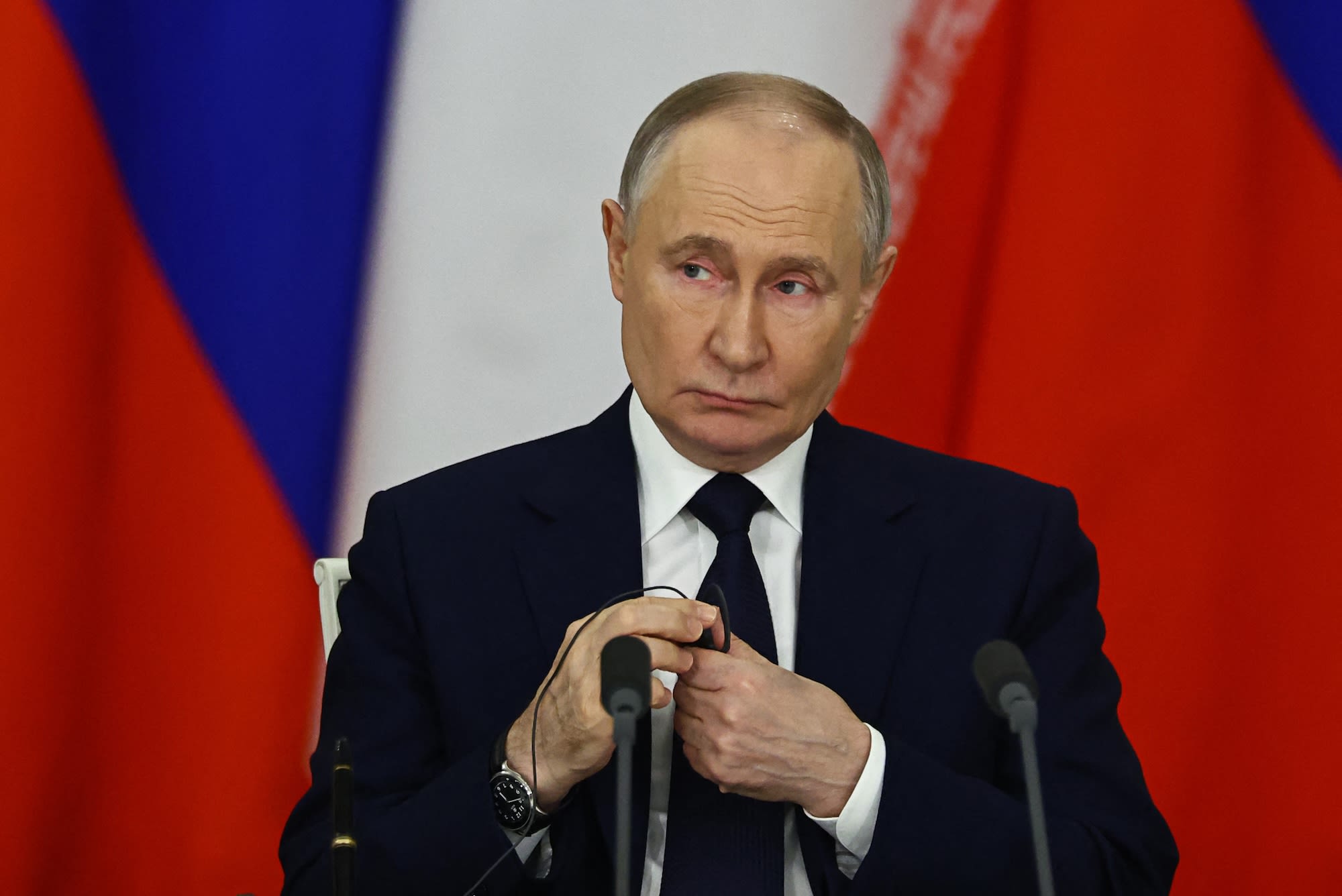
President Vladimir Putin on Monday signed legislation formally removing Russia from a European convention against torture, as Moscow continues cutting ties with Western institutions it either left or was expelled from following its military campaign in Ukraine.
Russia was expelled from the Council of Europe, the continent’s main human rights body, in March 2022. However, it had technically remained part of the European Convention for the Prevention of Torture, which grants independent monitors the right to inspect prisons and detention facilities to safeguard the rights of detainees.
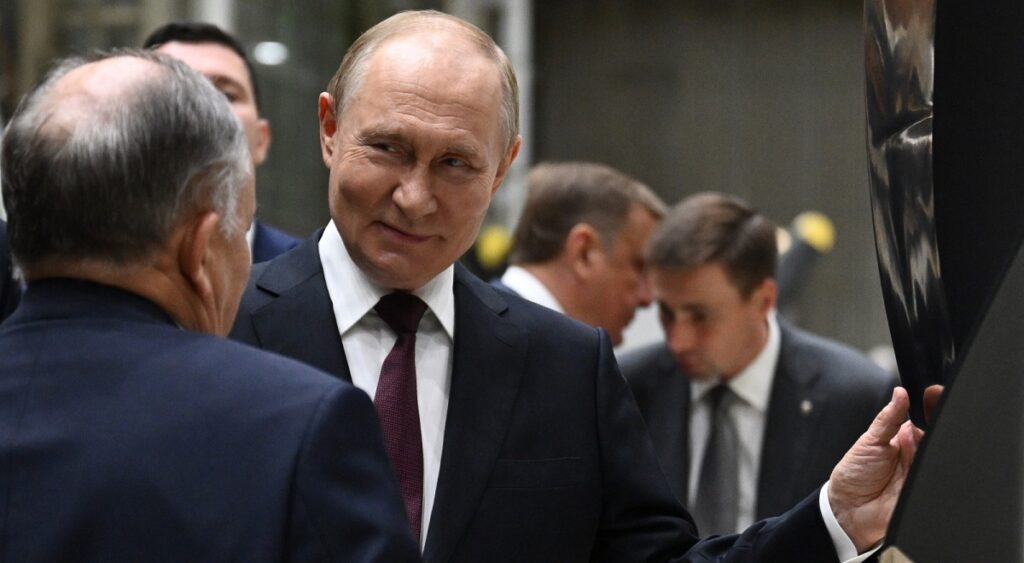
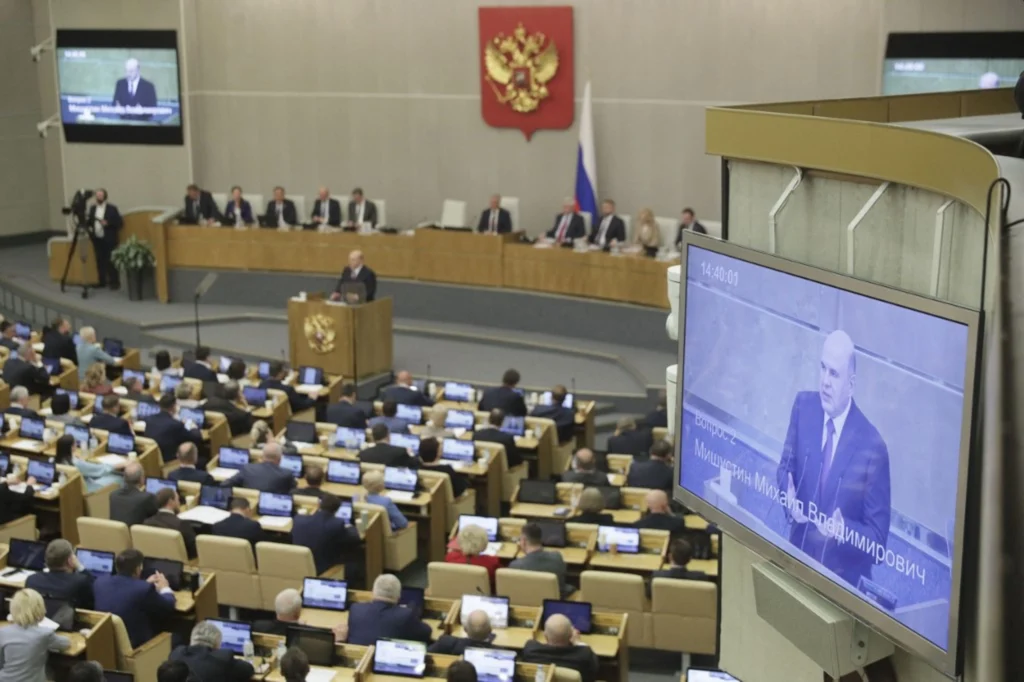
The new law, passed earlier by Russia’s parliament, cited “discrimination” by the Council of Europe, pointing to its refusal to allow a Russian representative in statutory bodies. Putin signed the measure on Monday, completing Russia’s withdrawal.
Russia’s foreign ministry has argued that leaving the convention will not negatively affect Russian citizens, stressing that the country “remains committed to its international human-rights obligations.”
International observers, however, have raised alarm. Two UN special rapporteurs warned earlier this month that the decision “raises red flags about what is going on behind bars” in Russian detention centers.
The move comes amid mounting criticism of Russia’s human rights record during the war in Ukraine. The Organisation for Security and Co-operation in Europe recently accused Moscow of “widespread and systematic violations” of international law against Ukrainian prisoners of war, while a UN rights office report said Ukrainian civilian detainees have been subjected to serious and repeated abuses.
What you should know
Russia’s withdrawal from the European anti-torture convention marks a further retreat from international oversight of its prison system.
Rights groups fear the move could shield Moscow from scrutiny, particularly amid ongoing allegations of abuses against Ukrainian detainees during the war.