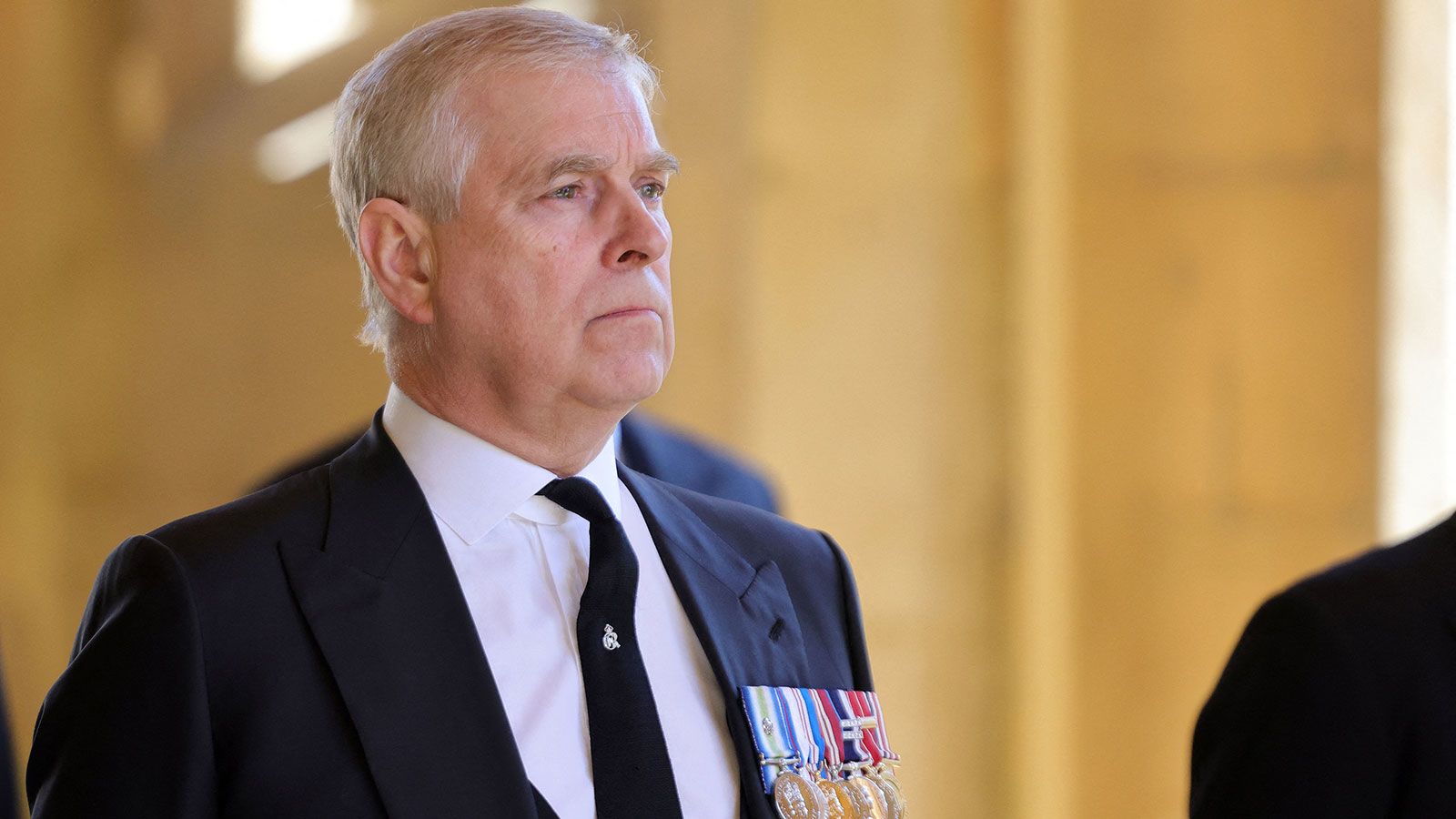
The decision by Prince Andrew to relinquish his Duke of York title has been described as a “vindication” for his alleged sexual assault victim, Virginia Giuffre, by her family.
The move, reportedly encouraged by King Charles III, marks a major step in distancing the monarchy from the long-running Epstein scandal that has tainted its public image.
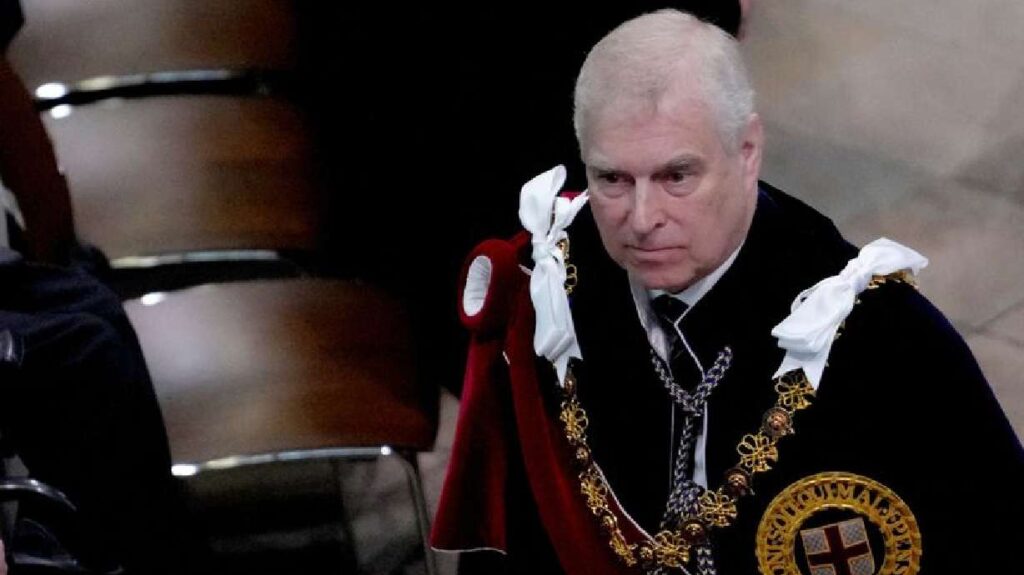
On Friday, the 65-year-old prince formally gave up his title following renewed scrutiny over his connections with the late American financier and convicted sex offender, Jeffrey Epstein. Sources close to Buckingham Palace said the King was “glad” about the decision, viewing it as a necessary measure to preserve the monarchy’s integrity.
Speaking to the BBC, Giuffre’s brother expressed a mixture of relief and sadness over the development. “We have shed a lot of happy and sad tears today,” he said. “I think I’m happy because in a lot of ways this vindicates Virginia. All the years of work that she put in are now coming to some sort of justice.”
The timing of Andrew’s decision coincides with King Charles’s upcoming state visit to the Vatican, where he is expected to join Pope Leo XIV in a rare joint prayer service—the first of its kind since the 16th century Reformation. The visit will also overlap with the October 21 release of Giuffre’s posthumous memoir, Nobody’s Girl: A Memoir of Surviving Abuse and Fighting for Justice.
According to excerpts published by The Guardian, Giuffre wrote that Andrew acted as though having sex with her was his “birthright.” She accused the prince of engaging in sexual encounters with her on three occasions, one of which occurred when she was under 18. Andrew has repeatedly denied the allegations and settled the civil lawsuit out of court for a multimillion-dollar sum.
The scandal has lingered since a damaging 2019 television interview, in which Andrew defended his relationship with Epstein. He claimed to have severed ties with Epstein in 2010, yet reports this week revealed an alleged 2011 exchange in which the prince reassured the disgraced financier that they were “in this together” and promised they would “play together soon.”
Fresh documents released by a U.S. congressional committee on Friday further showed that Andrew flew on Epstein’s private jet four times. Epstein himself died by suicide in a New York jail in 2019 while awaiting trial for trafficking underage girls, having previously been convicted in 2008 for soliciting a minor for prostitution.
Giuffre, who held both U.S. and Australian citizenship, tragically ended her life in April at her farm in Western Australia. Her death, followed by renewed revelations surrounding Epstein and Andrew, has reignited debate over accountability within the British royal family.
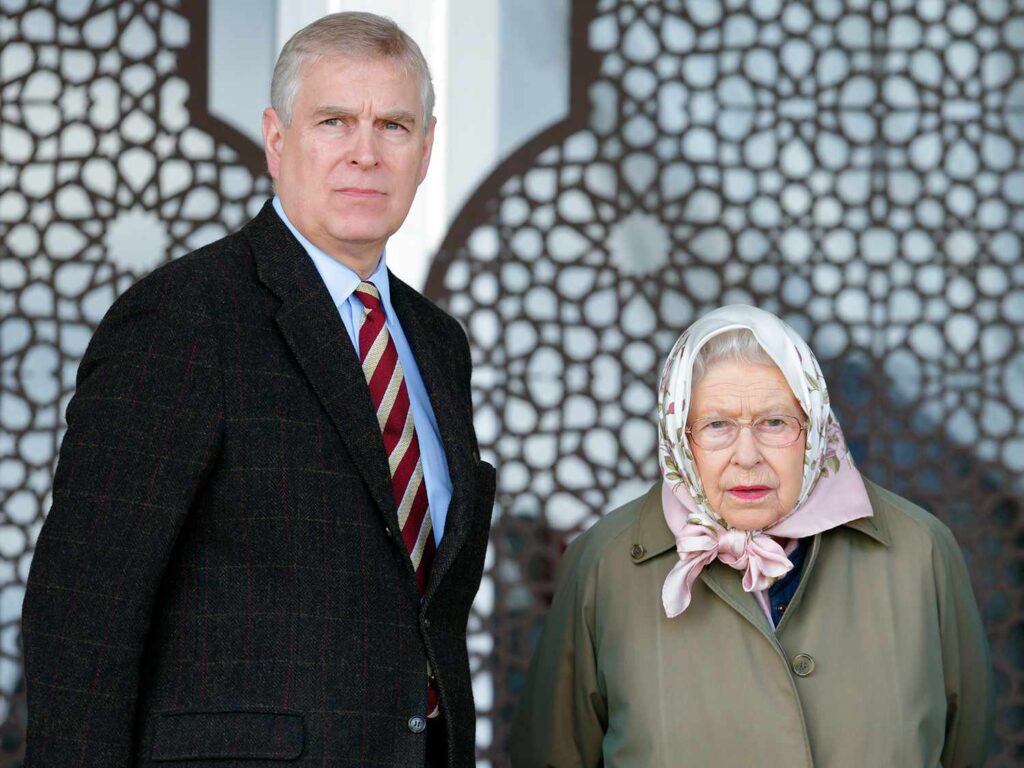
Since stepping back from royal duties in 2019, Andrew has seen his public role erode significantly. He has now relinquished his membership in the historic Order of the Garter—Britain’s highest order of knighthood—and previously lost his military titles in 2022. Nonetheless, he retains the title of prince as the second son of the late Queen Elizabeth II.
Once celebrated as a national hero for his role as a Royal Navy helicopter pilot during the 1982 Falklands War, Andrew’s reputation has since suffered a near-complete collapse. His removal from royal duties and titles is viewed by many as a long-overdue reckoning for his role in one of the monarchy’s darkest controversies.
What You Should Know
Prince Andrew’s renunciation of his Duke of York title follows years of controversy surrounding his association with Jeffrey Epstein and allegations by Virginia Giuffre, who accused him of sexual assault when she was 17.
The move is seen as both a symbolic act of accountability and an effort by King Charles III to restore the monarchy’s moral standing ahead of his historic visit to the Vatican.