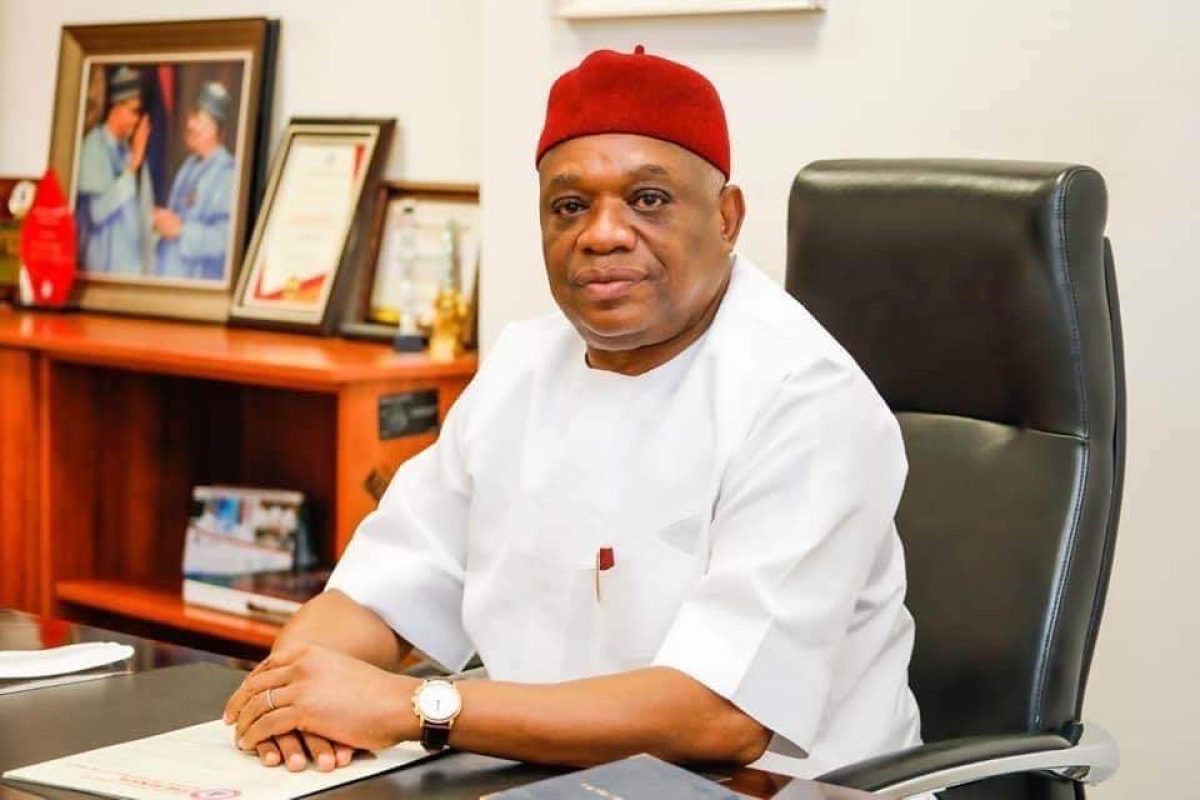
Former Abia State governor and current senator, Orji Uzor Kalu, has claimed that the wave of killings and abductions across Nigeria is being driven by political interests.
Kalu stated that the bandits responsible for the violent incidents are allegedly sponsored by politicians seeking to weaken the administration of President Bola Tinubu, similar to what he said happened during the tenure of former President Goodluck Jonathan. Although he refrained from naming the individuals involved, he insisted that their actions are deliberate attempts to undermine the government.
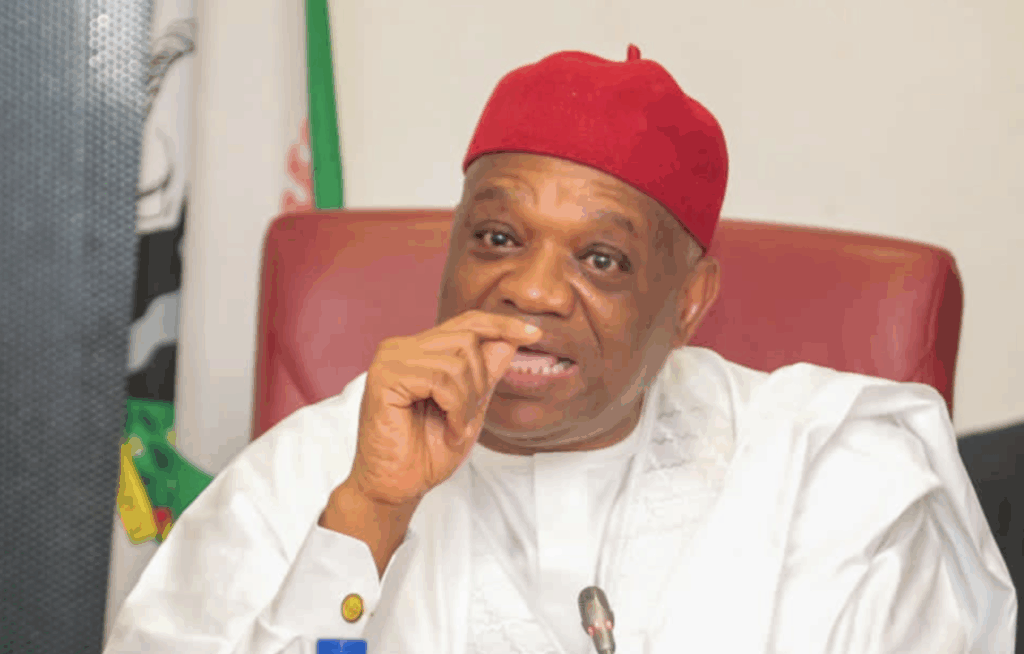
Speaking on Channels Television’s Sunday Politics, Kalu described the situation as a familiar pattern tied to election cycles. He argued that during these periods, individuals intensified pressure on the government by creating insecurity and chaos. He also asserted that both foreign actors and local collaborators are contributing to these orchestrated attacks to destabilise the country.
According to Kalu, Nigeria’s current challenges align with “something that goes with the elections,” suggesting that political motives are behind many of the violent incidents. He also maintained that certain international figures and local groups are playing a role in fueling the unrest in several regions. However, the senator expressed confidence in President Tinubu’s ability to manage the crisis, noting that the president had taken the situation seriously enough to cancel several engagements in order to address security concerns.
Kalu further assured Nigerians that efforts were underway to rescue abducted victims, including the recently kidnapped schoolchildren. He highlighted that Nigeria’s service chiefs and security agencies were fully engaged in operations aimed at restoring safety in affected communities. He stressed that despite local and international criticism, the government was determined to reverse the growing insecurity.
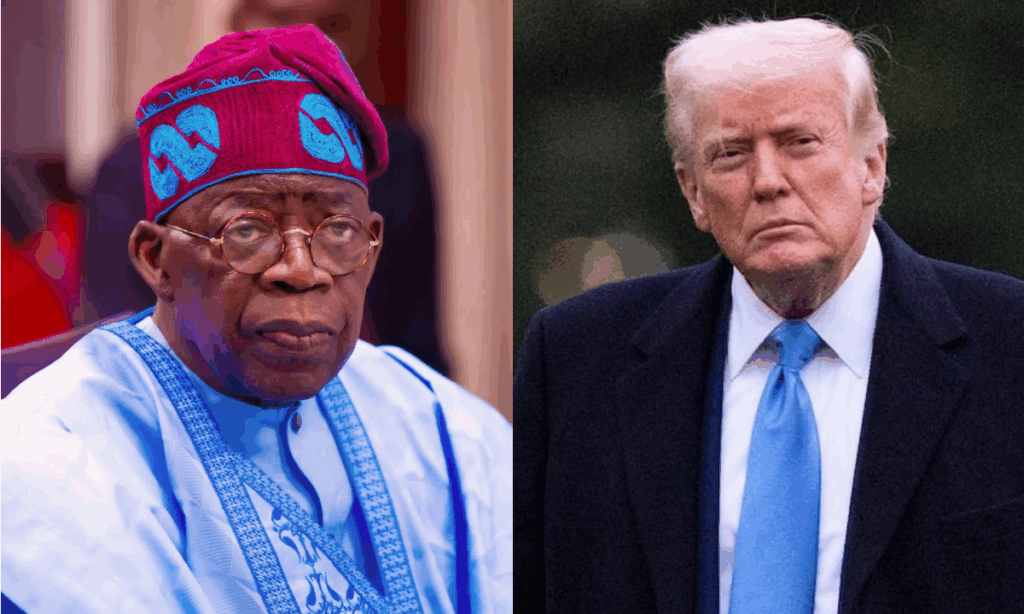
The senator also connected the recent rise in attacks to comments made by President Donald Trump regarding killings in Nigeria. Kalu said the intelligence community is aware of those behind the violence, and he accused politicians of using hired groups to destabilise the Tinubu administration. He claimed these individuals were bent on preventing the president from executing his economic recovery plans.
Responding to questions about whether President Tinubu is aware of the alleged political motivations behind the attacks, Kalu noted that the president has access to extensive intelligence and is not ignorant of the situation. He added that Tinubu had been deeply troubled by the nation’s security challenges and was taking firm action, including the recent directive withdrawing police officers from VIP escorts. Kalu described this move as a positive step.
He further stated that while Trump’s interest in Nigeria could be beneficial, meaningful progress would require proper consultation with the Nigerian government. Kalu emphasised the need for stronger cooperation between Nigeria and the United States to confront insecurity and rebuild trust.
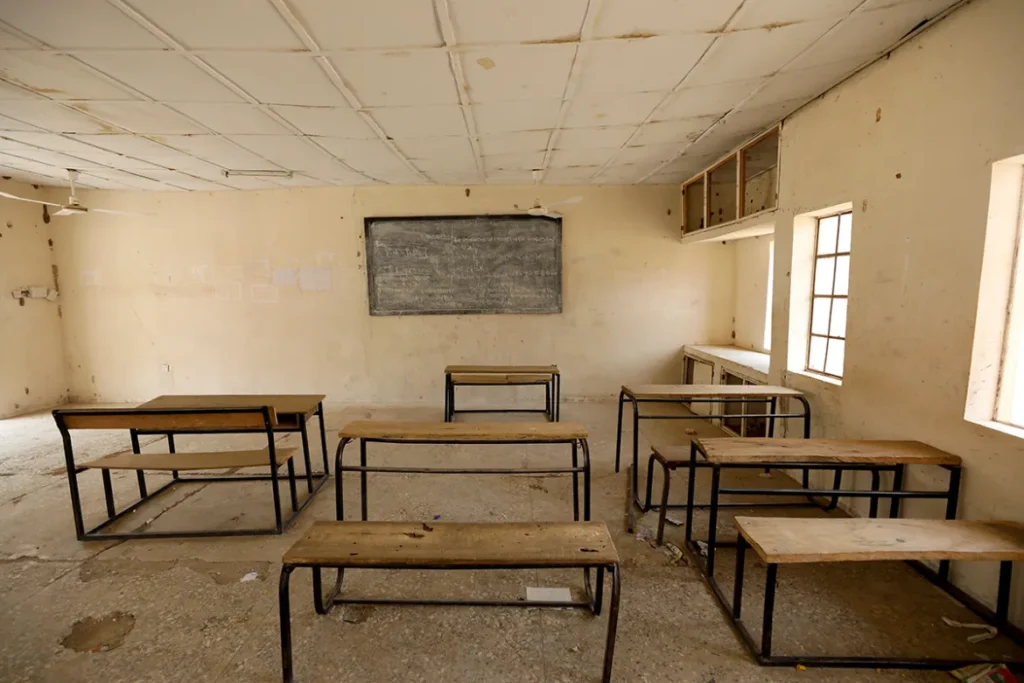
The recent series of attacks has heightened public concern. Last Monday, 25 schoolgirls were abducted from Government Girls Comprehensive Secondary School, Maga, in Kebbi State, where the vice principal was killed. The following day, more than 300 children from St. Mary’s Catholic Primary and Secondary Schools, Papiri, Niger State, were taken by armed bandits, though 50 later escaped. In Kwara State, gunmen attacked Christ Apostolic Church, Oke-Isegun, killing three people and kidnapping 38 worshippers, who have since regained their freedom, according to the state government.
What You Should Know
Senator Orji Kalu’s remarks highlight his belief that Nigeria’s worsening insecurity is tied to political manoeuvring ahead of future elections.
He suggested that both local and international actors are working against President Tinubu by sponsoring violent groups to destabilise the government. Kalu expressed confidence in Tinubu’s commitment to addressing the crisis and supported recent decisions aimed at strengthening security efforts.
His comments came amid a series of high-profile attacks, raising further questions about the political dimensions of Nigeria’s security challenges.