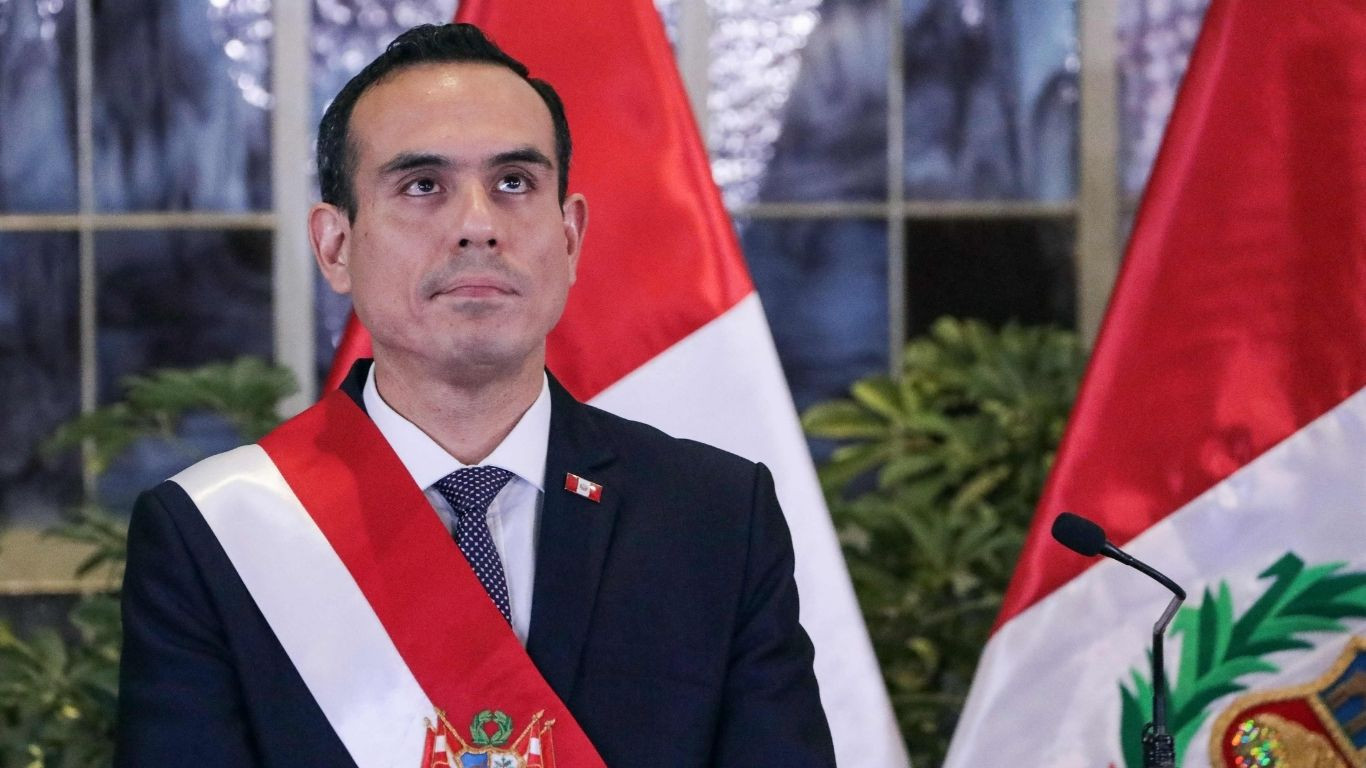
Peru’s interim president, Jose Jeri, has declared a 30-day state of emergency in the capital city of Lima and the nearby port of Callao, following weeks of nationwide protests over corruption and escalating organized crime.
“The state of emergency approved by the Council of Ministers will take effect at midnight on Wednesday and will last for 30 days in Metropolitan Lima and Callao,” Jeri announced during a national address broadcast on state television.
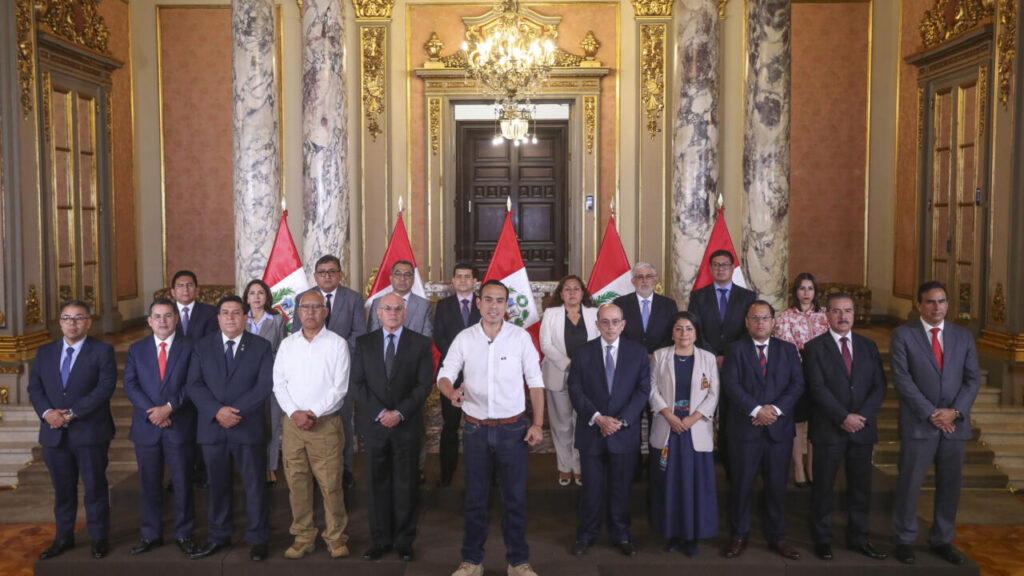
The declaration allows the government to deploy the army to assist police in maintaining order and temporarily restricts freedom of assembly and other civil rights.
This move marks Jeri’s first significant decision since assuming office nearly two weeks ago, as he seeks to confront Peru’s worsening security situation.
Lawmakers impeached former President Dina Boluarte earlier this month after accusing her of corruption and failing to tackle the surge in crime that has shaken the South American nation.
“Crime has increased disproportionately in recent years, causing immense pain to thousands of families and further hindering the country’s progress. But that’s over. Today, we begin to change the narrative of insecurity in Peru,” Jeri said.
He vowed to “move from the defensive to the offensive” in the fight against criminal networks, promising to restore peace and rebuild citizens’ trust.
Earlier this year, parts of Lima were under emergency rule following the high-profile murder of a popular musician, which authorities linked to organized crime.
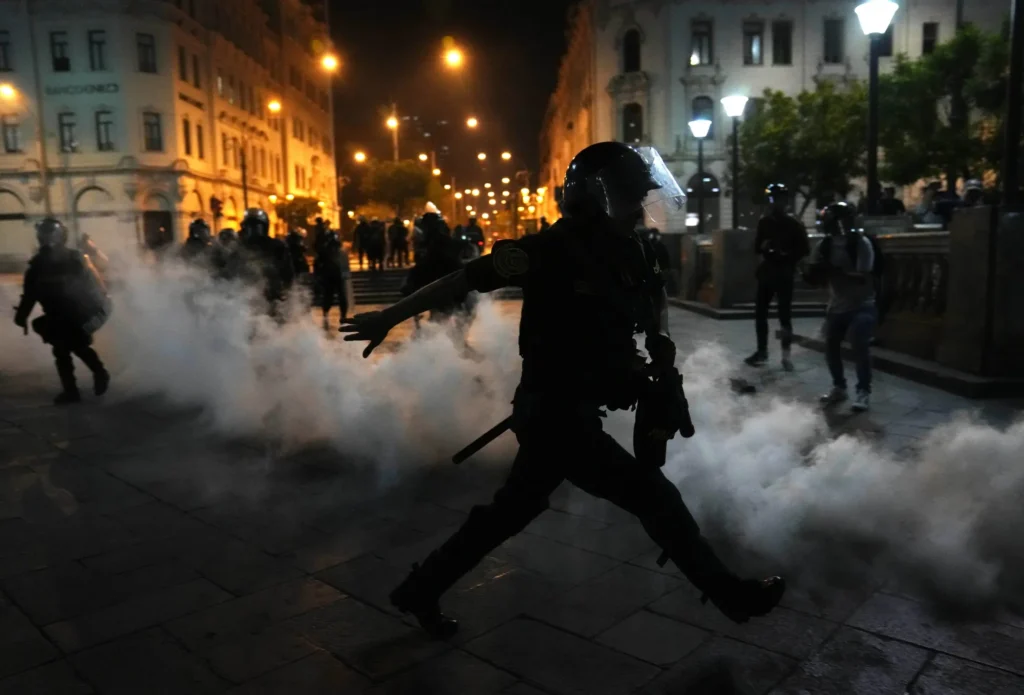
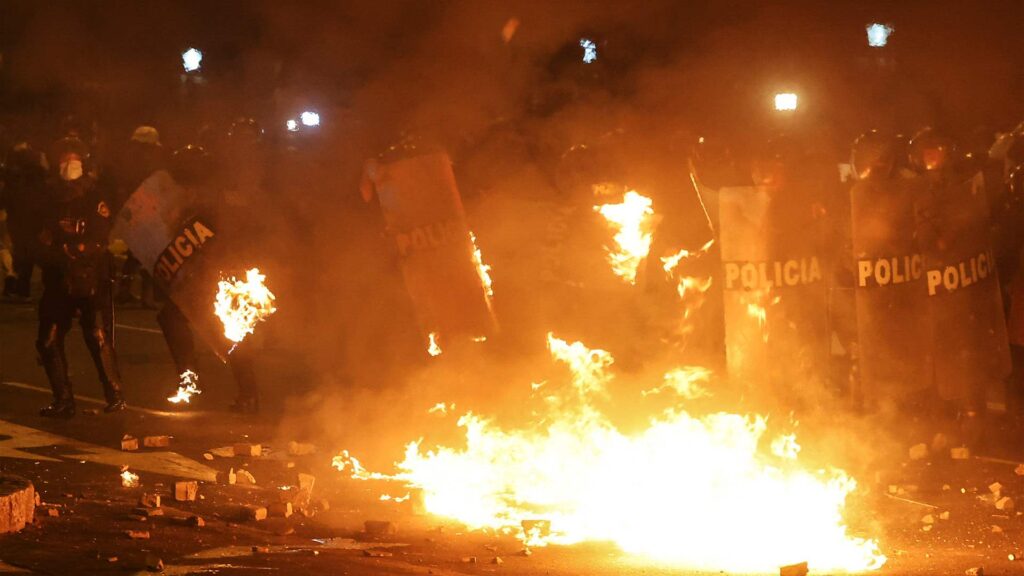
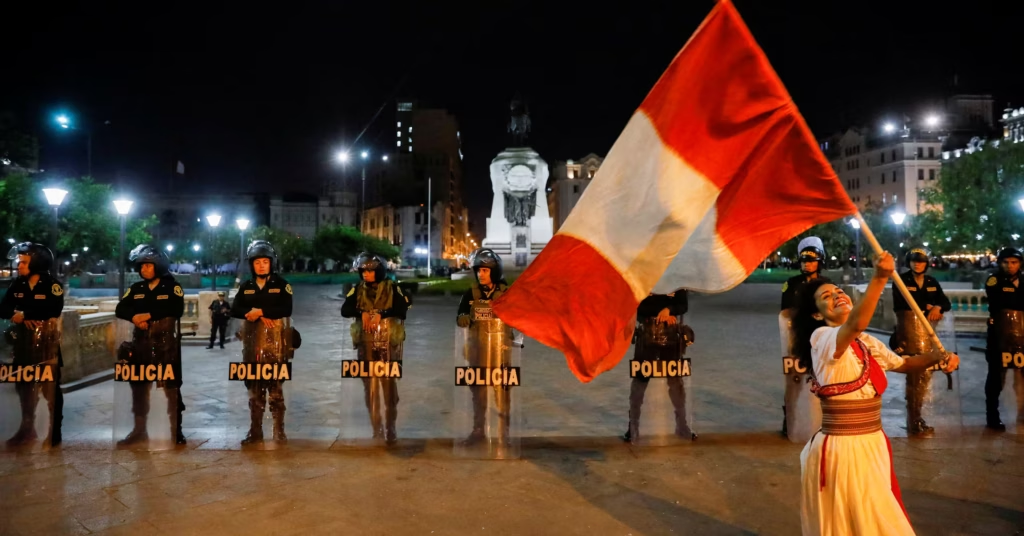
The ongoing demonstrations, largely driven by young Peruvians, have drawn thousands to the streets in Lima and other major cities, demanding stronger action against corruption and insecurity.
In the past month, more than 200 people, including police officers, journalists, and protesters, have been injured, while one demonstrator was fatally shot by police.
The transport sector has been particularly affected, with at least 47 bus drivers killed this year in suspected extortion-related attacks.
Jeri, who was the speaker of parliament before assuming the presidency, will serve as interim leader until July 2026. His government is the seventh to take power in Peru within the last decade.
What You Should Know
Jose Jeri’s declaration of a state of emergency underscores Peru’s deepening political instability and growing insecurity crisis.
The move follows President Dina Boluarte’s impeachment amid corruption and crime allegations that triggered mass protests nationwide. By authorizing military deployment and curbing public freedoms, Jeri aims to reestablish order in Lima and Callao, regions hit hardest by extortion and gang violence.
However, this drastic measure risks fueling further unrest in a country already weary of frequent political upheavals. Jeri’s leadership will be tested as he attempts to balance security enforcement with democratic accountability through 2026.