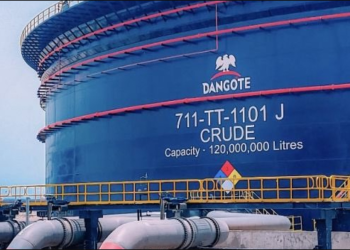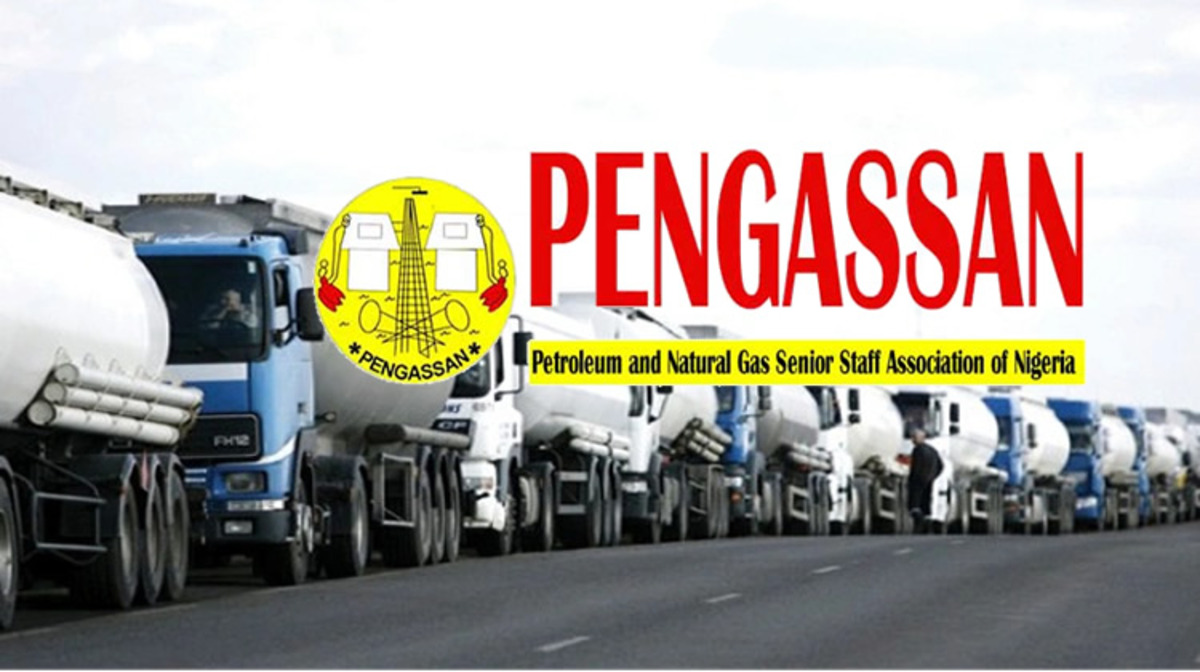
The Petroleum and Natural Gas Senior Staff Association of Nigeria (PENGASSAN) has insisted on continuing its nationwide strike against Dangote Refinery, despite a restraining order from the National Industrial Court.
In a memo signed by its General Secretary, Lumumba Okugbawa, the union dismissed claims of a valid court injunction stopping the strike. He stressed that no official order had been served, noting that court processes must come through a bailiff and not social media. Okugbawa urged members to remain steadfast, warning that only official communication channels should be trusted. He praised their determination, declaring that “victory is in sight.”
Earlier on Monday, Justice Emmanuel Subilim of the National Industrial Court in Abuja had issued a seven-day interim injunction stopping the strike. The order followed an ex parte application by Dangote Refinery’s lawyer, Senior Advocate of Nigeria George Ibrahim, who argued that the refinery provides essential services critical to the economy and public welfare. He added that restructuring at the facility was carried out for safety and operational reasons, affecting only a few staff out of more than 3,000 employees.
Justice Subilim ruled that allowing the strike could cripple vital operations and cause irreparable damage, setting October 13 for further hearing.
Despite this, PENGASSAN members staged protests on Monday, barricading the NNPC headquarters in Abuja as well as regulatory offices in the midstream and downstream sectors. They accused Dangote Refinery of violating labour rights by dismissing more than 800 Nigerian workers and replacing them with “over 2,000 Indians.”
In its circular, PENGASSAN alleged breaches of labour laws, the Constitution, and international conventions, directing members to halt crude and gas supplies immediately. The Trade Union Congress (TUC) backed the strike, with its Secretary General, Nuhu Toro, demanding reinstatement of the sacked workers and a public apology.
Dangote Refinery, however, has denied wrongdoing, insisting that its restructuring was necessary after acts of sabotage. It maintained that most of its workforce remained intact and described PENGASSAN’s actions as “criminal conduct” and economic sabotage that could harm fuel supply chains and national revenue. The company called on the Federal Government to intervene to protect the energy sector.
What you should know
The dispute between PENGASSAN and Dangote Refinery highlights growing labour unrest in Nigeria’s oil and gas sector.
While the union accuses the company of mass sackings and labour rights violations, Dangote maintains its restructuring was essential for safety and efficiency. With court orders, street protests, and threats of wider strikes, the standoff poses significant risks to the nation’s fuel supply and economic stability.