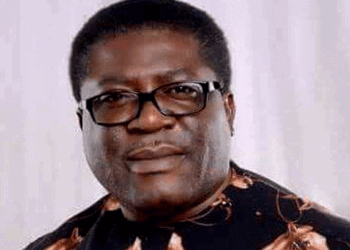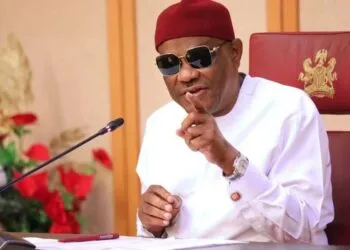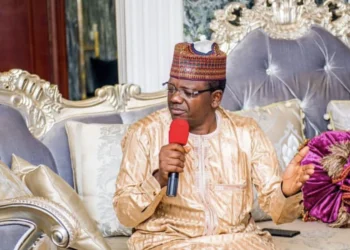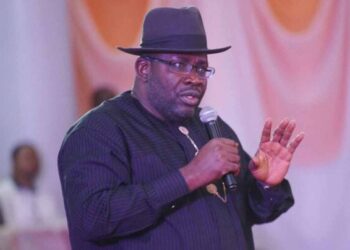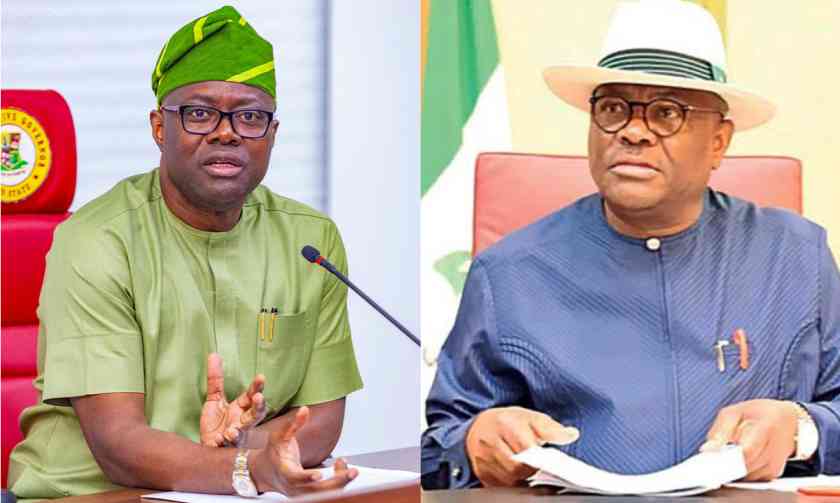
The Peoples Democratic Party says it has stepped back from the edge of a deep internal crisis, as factions loyal to Seyi Makinde and Nyesom Wike begin peace talks aimed at stabilising the party ahead of the 2027 elections.
For months, the party has been engulfed in tensions that spilled into court battles, public confrontations, and behind-the-scenes political manoeuvres, raising concerns about its unity and preparedness for future elections.
However, recent developments suggest a shift, with both sides now opting for dialogue instead of prolonged conflict.
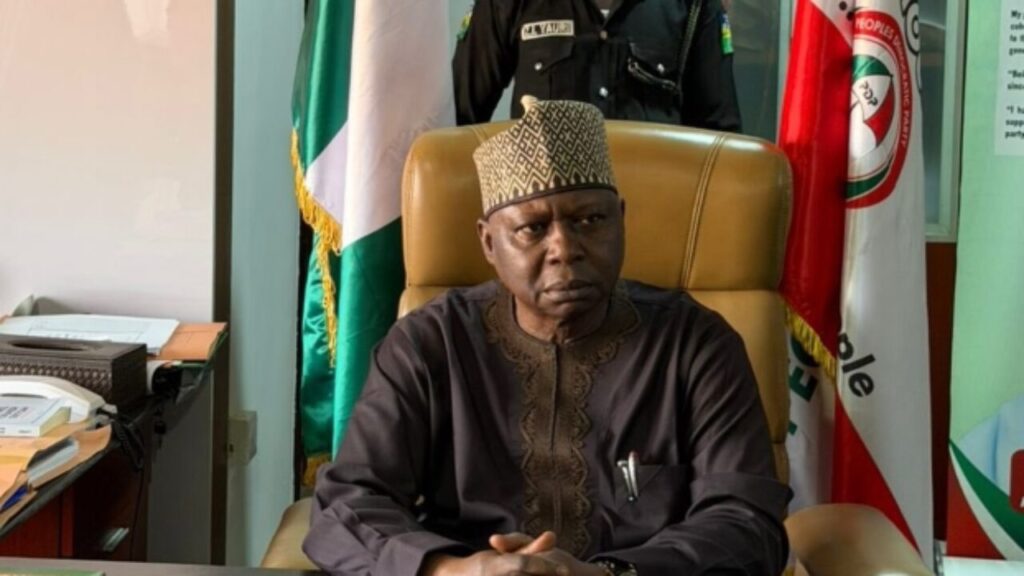
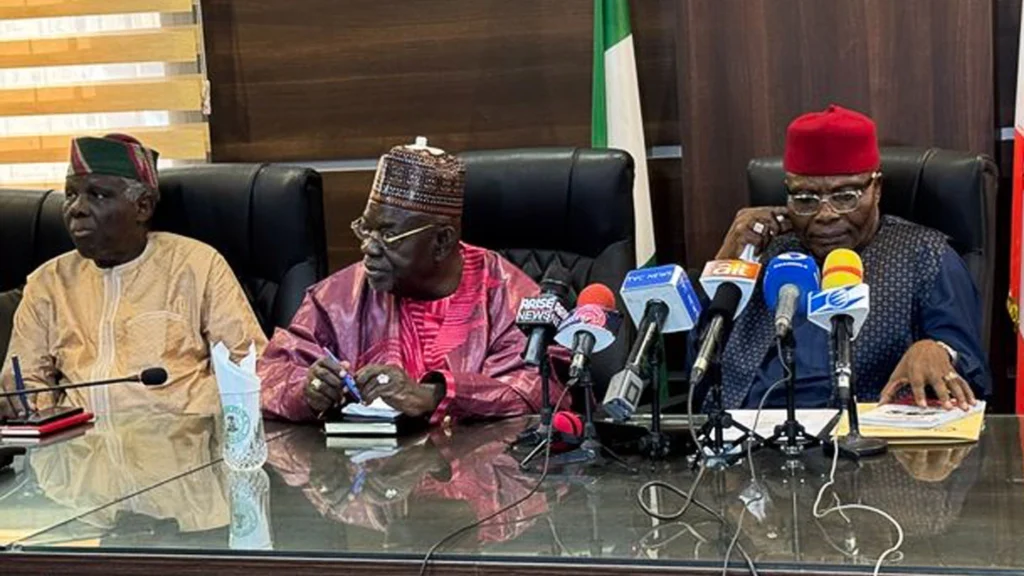
Speaking in Abuja on Wednesday, factional PDP National Chairman Kabiru Tanimu Turaki said the party’s National Working Committee (NWC), aligned with the Makinde camp, had initiated moves to calm tensions and restore communication channels following intervention by the Board of Trustees led by Adolphus Wabara.
“In obedience to the advisory of the Court of Appeal, Ibadan, the Board of Trustees constituted a high-powered committee to interface with our estranged party members,” Turaki said.
As part of confidence-building efforts, the NWC postponed key meetings of the National Executive Committee and National Caucus, while also moderating its public statements. The party, however, noted that similar gestures were not initially reciprocated, citing continued “weaponisation of hurtful rhetoric” and “derogatory statements.”
Despite this, Turaki confirmed that progress has now been made.
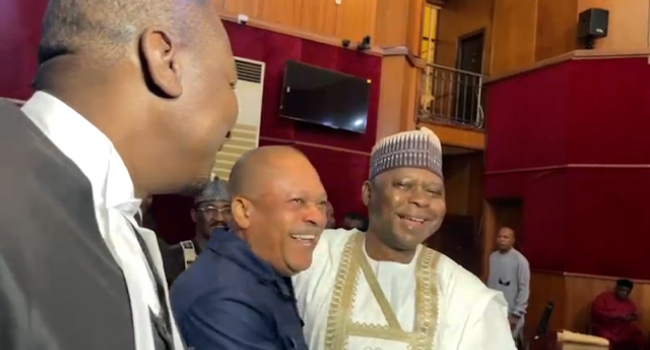
“I can unequivocally confirm that, as of today, leaders on both sides have broken the ice and are exploring various pathways towards a lasting resolution,” he said.
He urged party supporters across the country to remain calm, warning that inflammatory remarks or actions could derail the fragile peace process.
While dialogue has begun, legal battles linked to the crisis remain ongoing in multiple courts, including the Court of Appeal. Nonetheless, the party signalled readiness to abandon litigation if a political settlement is reached.
“As soon as we reach agreeable terms, we will willingly withdraw all cases, whether at the Federal High Court, Court of Appeal, Supreme Court, or elsewhere, to give peace a chance,” Turaki stated.
He also reassured party aspirants concerned about the impact of the crisis, affirming that the PDP will present candidates for all elective positions.
“To all aspirants who have stood with us thus far, we assure you that our party will field candidates for all elective offices,” he said.
Turaki acknowledged that compromise would be essential to sustaining unity, stressing the party’s determination to survive the crisis.
“We are willing to bend as far as our necks and backs allow… PDP will not die,” he declared.
He further hinted at internal resistance to reconciliation, revealing that certain individuals allegedly working against the peace process had been identified and removed.
“From last night, these two elements have been identified and flushed out,” he said.
Beyond resolving internal disputes, the PDP reaffirmed its role as a key opposition force in Nigeria, pledging to uphold democratic values and hold the government accountable.
“As Nigeria’s only surviving legacy party, we remain committed to defending and consolidating our democracy,” Turaki added.
He also emphasised the importance of people-centred governance, stating, “Ultimate power resides with the people; it must therefore remain the centrepiece of governance.”
In a show of unity, the Turaki-led NWC passed a vote of confidence on Governors Seyi Makinde and Bala Mohammed, commending their roles during the crisis.
The party also appreciated Nigerians who continue to register via its online platform, noting that support remains steady despite recent internal challenges.
With both camps now engaging in dialogue and signalling willingness to compromise, attention turns to whether the renewed talks will produce lasting peace or if divisions could resurface as the 2027 elections approach.
What you should know
The PDP’s move toward reconciliation marks a critical moment for the party as it prepares for the 2027 elections.
Internal divisions had threatened its stability, but ongoing peace talks suggest a willingness to unite. If successful, this could strengthen the party’s position as a major opposition force.
However, unresolved legal battles and underlying tensions mean the outcome of the talks will be crucial for its political future.