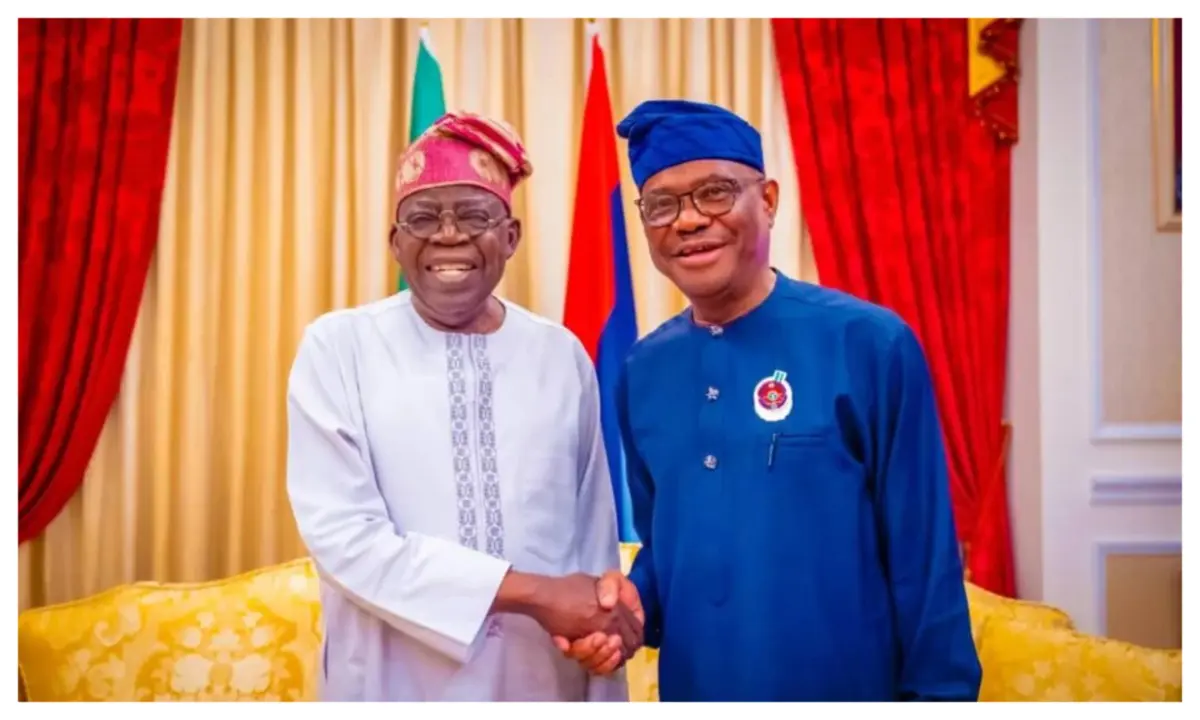
The Minister of the Federal Capital Territory, Nyesom Wike, has declared that the authority to remove him from office rests solely with President Bola Tinubu, who appointed him, and not with critics calling for his dismissal.
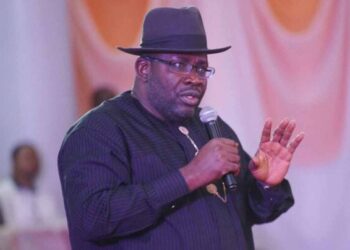
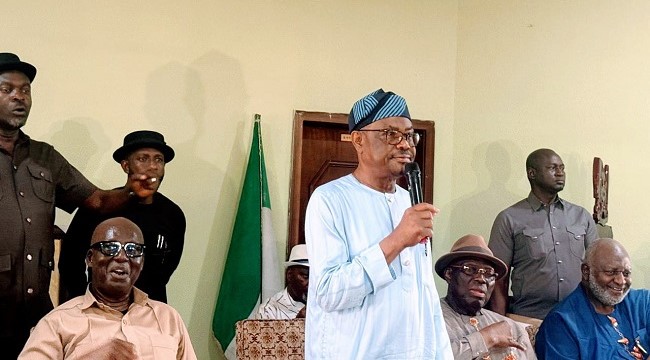
“People who say, ‘sack me,’ it doesn’t lie in their mouth. If my appointor believes that I cannot offer anything again, he has the right; it is not that you should tell him,” Wike said on Sunday while addressing supporters during the final leg of his statewide thank-you tour in Obio/Akpor Local Government Area of Rivers State.
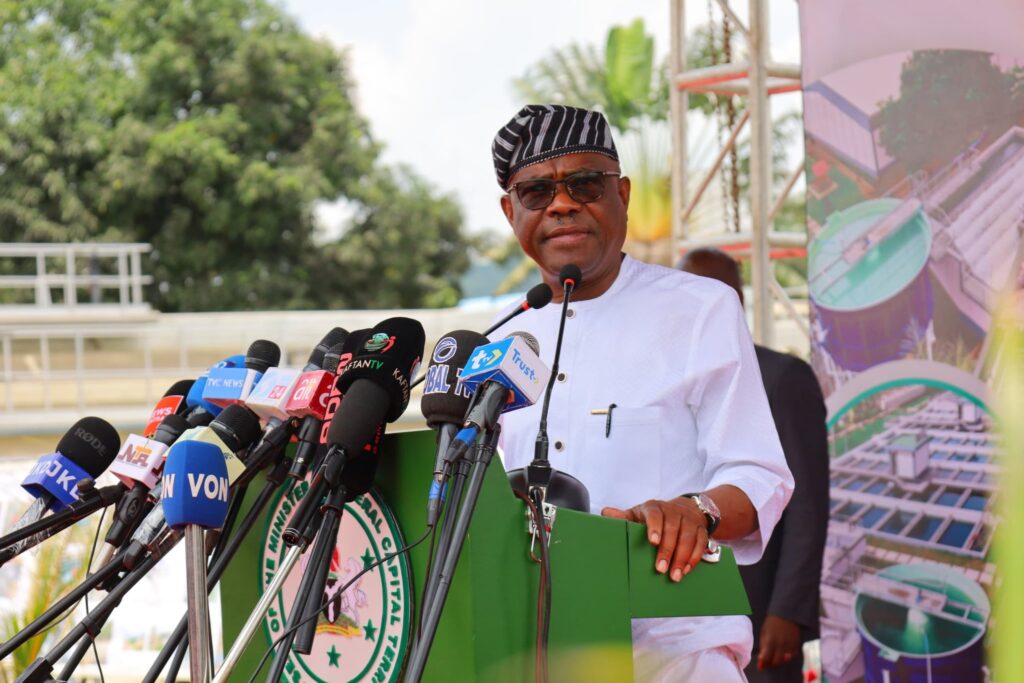
He stressed that political power is neither accidental nor freely given, noting that it must be earned through struggle. “Power is not dashed, you struggle for it. After all, if Donald Trump does not have the power, will he go to Venezuela to pick a president?” he asked.
The former Rivers State governor further stated that political authority ultimately lies with the people, particularly at the grassroots. “For the people of Obio/Akpor, we have the power to dictate who will rule,” Wike said, underscoring the influence of voters in determining leadership.
His remarks came against the backdrop of rising political tension in Rivers State following condemnation from the Ijaw Youth Council (IYC), which faulted the impeachment proceedings initiated against Governor Siminalayi Fubara by the Rivers State House of Assembly and called for Wike’s removal as FCT minister.
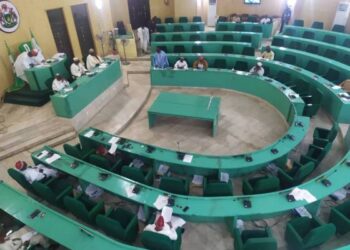
Earlier, members of the Rivers State House of Assembly had commenced impeachment proceedings against Governor Fubara and his deputy, citing seven allegations of gross misconduct. The move further intensified political anxiety across the state.
Reacting to claims linking the impeachment process to Wike, the Assembly’s spokesperson, Enemi George, rejected such allegations. He warned against mixing partisan politics with constitutional responsibilities.
“This is pouring oil into water, and those two don’t mix unless boiled. The FCT minister is a politician,” George said.
He added that framing the Assembly’s actions as politically motivated was dangerous. “If we begin to mix politics and constitutional matters, we will begin to cause trouble. I am not a party chief but a spokesperson of the Rivers State House of Assembly,” he stated.
While admitting political alignment with Wike, George insisted that the legislature’s work should not be reduced to the influence of an individual. “Personally, I am politically aligned with the FCT minister, but it is insulting to reduce the activities of an institution created by the Constitution to just politics or an individual,” he said during an appearance on Channels Television’s Politics Today.
The rift between Wike and Governor Fubara, largely driven by disagreements over control of political structures in the state, has continued to widen months after President Tinubu lifted the emergency rule imposed on Rivers State.
Wike has accused Governor Fubara of failing to honour agreements reached during Tinubu’s intervention, describing the governor’s actions as a betrayal of trust. He also cautioned leaders of the All Progressives Congress backing Fubara to desist from interfering in the internal political affairs of Rivers State.
Rivers State, one of Nigeria’s major oil-producing states and a key political hub in the South-South region, has seen governance concerns grow as the dispute between the two political heavyweights persists. Several stakeholders have expressed worry that the prolonged conflict could negatively affect governance and development in the state.
What you should know
The political crisis in Rivers State reflects a deeper struggle over power and control within the state’s political structure.
Nyesom Wike’s firm stance reinforces the constitutional principle that ministers serve at the pleasure of the president, not public pressure groups. Meanwhile, the impeachment move against Governor Siminalayi Fubara has intensified tensions, raising concerns about stability in one of Nigeria’s most economically strategic states.
As both sides trade accusations, observers fear that prolonged political infighting could distract from governance and affect development efforts across Rivers State.