Global oil prices tumbled on Thursday as diplomatic developments between Washington and Tehran offered traders a reprieve from escalating geopolitical tensions that have roiled energy markets in recent sessions.
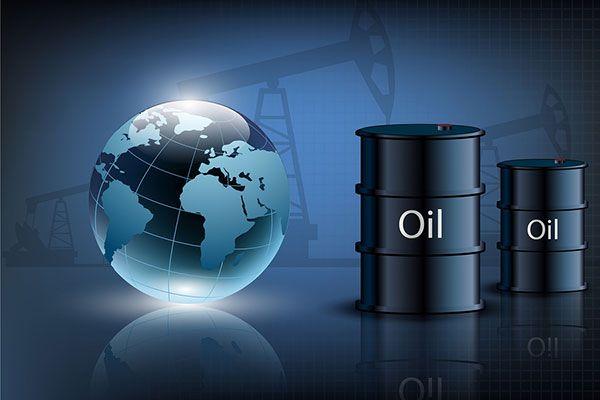
Brent crude, the international benchmark, dropped $1.31 to settle at $68.15 per barrel by mid-morning European trading, marking a 1.89% decline. Its American counterpart, West Texas Intermediate, mirrored the downturn with a $1.24 slide to $63.90—a 1.90% decrease that effectively unwound much of Wednesday’s rally.
The reversal comes after both nations confirmed plans to proceed with negotiations in Oman on Friday, cooling fears that a complete communication breakdown could precipitate military action threatening the world’s most critical oil supply corridor.
“The oil price has erased part of the geopolitical risk premium on the news of US-Iran talks in Oman on Friday,” explained Mukesh Sahdev, chief executive of energy consultancy XAnalysts, noting how swiftly markets respond to even tentative signs of de-escalation.
Wednesday’s trading session had painted a starkly different picture. Prices surged approximately 3% after reports emerged suggesting the diplomatic engagement might collapse before it began. Markets reacted with characteristic nervousness to any hint that dialogue between the adversaries could unravel, given the stakes involved.
However, as the trading day progressed, officials from both capitals walked back the pessimism, confirming that Friday’s meeting would indeed take place—though they acknowledged that even the agenda remains unresolved, underscoring the fragility of the diplomatic opening.
The gulf separating American and Iranian positions remains substantial. Tehran has signaled willingness to address its nuclear program, including the contentious issue of uranium enrichment that has long concerned Western powers. Washington, however, is pushing for a far broader conversation encompassing Iran’s ballistic missile development, its financial and military support for proxy forces across the Middle East, and the Islamic Republic’s human rights record domestically.
“It is likely that these talks will surface new differences and the risk premium will rise again soon,” Sahdev cautioned, reflecting the sentiment among many market watchers that Friday’s discussions may simply clarify how far apart the two sides remain rather than bridging any substantive gaps.
Complicating the outlook is President Donald Trump‘s unpredictable posture toward Iran. Despite the scheduled talks, energy analysts and traders remain on edge about whether the administration might still authorize military strikes against Iranian assets. Such action could target the infrastructure of OPEC’s fourth-largest producer and potentially trigger a wider regional conflagration in the world’s most oil-rich corner.
The vulnerability extends well beyond Iran’s own production capacity. Should conflict erupt, the exports of neighboring Gulf producers face substantial risk. Saudi Arabia, the United Arab Emirates, Kuwait, and Iraq—all OPEC heavyweights—channel the vast majority of their crude through the same chokepoint that handles Iranian shipments.
That bottleneck is the Strait of Hormuz, the narrow waterway separating the Arabian Peninsula from Iran. Approximately one-fifth of global oil consumption transits this strategic passage daily, making it perhaps the world’s most economically critical maritime corridor. Any disruption—whether from direct military engagement, retaliatory action, or even the threat thereof—could send shockwaves through global energy markets and the broader economy.
Thursday’s oil price weakness wasn’t solely attributable to Middle Eastern diplomacy. A strengthening US dollar applied additional downward pressure on commodities broadly, as dollar-denominated assets became more expensive for holders of other currencies. Precious metals markets also experienced volatility, contributing to a more cautious risk appetite among commodity traders.
On the supply side, the US Energy Information Administration reported on Wednesday that American crude inventories declined last week due to a severe winter storm that disrupted activity across large portions of the country. The drawdown, occurring in the world’s largest oil producer and consumer, would typically support prices but was overshadowed by the geopolitical narrative driving trading sentiment.
As markets head into Friday’s Oman talks, the prevailing mood is one of cautious watching rather than confident prediction. The diplomatic gesture has provided temporary relief, pulling back some of the risk premium that had inflated prices. Whether that relief extends beyond the immediate term depends entirely on developments yet to unfold in a region where optimism has historically proven premature.
WHAT YOU SHOULD KNOW
Oil prices dropped by over $1 per barrel on Thursday, following news that US-Iran talks would proceed on Friday in Oman, temporarily easing fears of military conflict in the Middle East. However, the relief may be fleeting—the two nations remain deeply divided on negotiation terms, President Trump’s threat of strikes still looms, and any escalation could disrupt the Strait of Hormuz, through which a fifth of the world’s oil supply flows.
Markets have essentially hit pause on panic, but the underlying risks to global energy supplies remain very much alive.