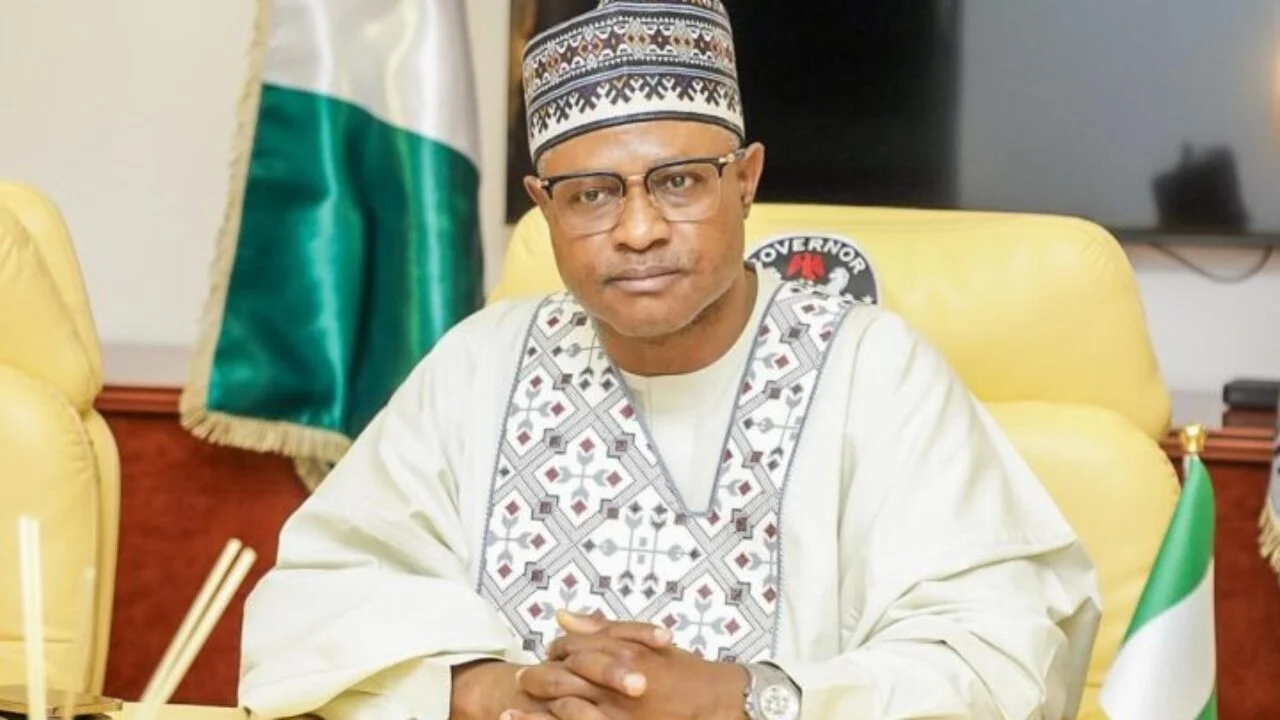
Kaduna State Governor Senator Uba Sani has expressed deep concern over what he described as the North’s persistent underdevelopment despite its wealth of skilled professionals, blaming the situation on an enduring inability of the region’s elites to unite and drive coordinated progress.
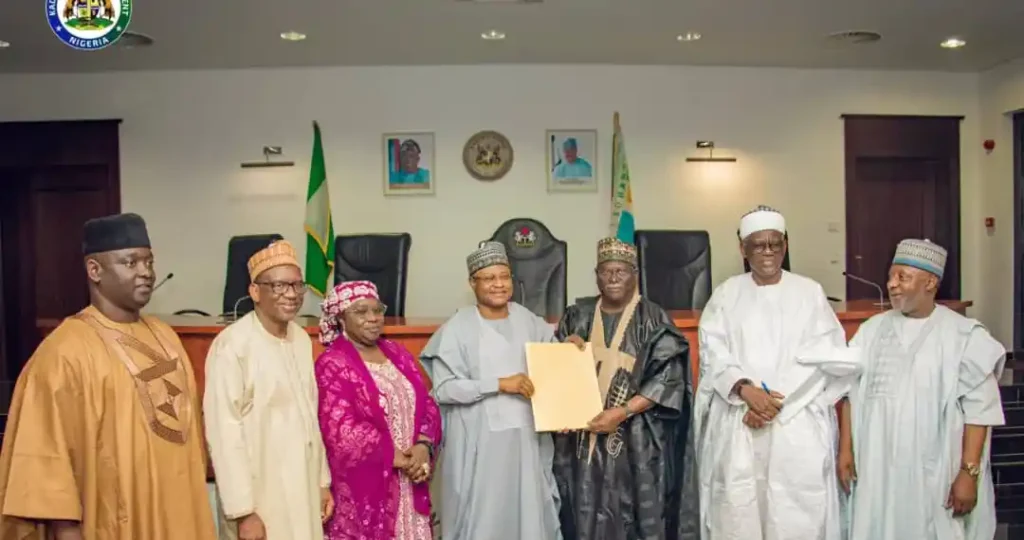
The governor made the remarks when the leadership of the Arewa Consultative Forum (ACF), led by its Board of Trustees Chairman, Alhaji Bashir Dalhatu, visited him at Government House, Kaduna. He said the region has spent too many years repeating the same complaints instead of taking decisive action.
“For years, we have repeatedly spoken about our challenges—poverty, education gaps, healthcare deficits, and other development issues. I believe we have reached a point where we must stop complaining and start acting,” he stated.
Senator Sani noted that the North is blessed with highly accomplished minds in business, academia, medicine, governance, and entrepreneurship, but lacks the cohesion needed to channel these assets into meaningful transformation. “The missing link is bringing everyone together. The ACF can help bridge that gap by enabling us to benefit from their collective experience, achievements, and resources,” he said.
He commended the ACF for its plans to set up a Central Endowment Fund, adding that skills acquisition must remain a central focus to empower Northern youths and reduce dependence on government. The governor also expressed concern about the region’s alarming levels of financial exclusion, explaining that millions of poor citizens remain outside the banking system and therefore cannot benefit from government’s social protection programmes.
Sani recalled signing the First Executive Order on Financial Inclusion immediately after assuming office, a move he said helped enrol more than 2.1 million vulnerable residents into the formal financial ecosystem in just one year. Despite this progress, he stressed that Northern business leaders must invest more heavily in the financial sector, noting that over 60 per cent of local governments in the region do not have a single bank branch.
“Some Southern states with far smaller populations have more bank branches than Kano, which has 44 local governments,” he pointed out.
Senator Sani also applauded the renewed energy within the ACF, particularly its bridge-building engagements with Afenifere, Ohaneze Ndigbo, and other socio-cultural organisations. He described the ACF as “a neutral body without political bias” with the capacity to rally the North around a shared development vision.
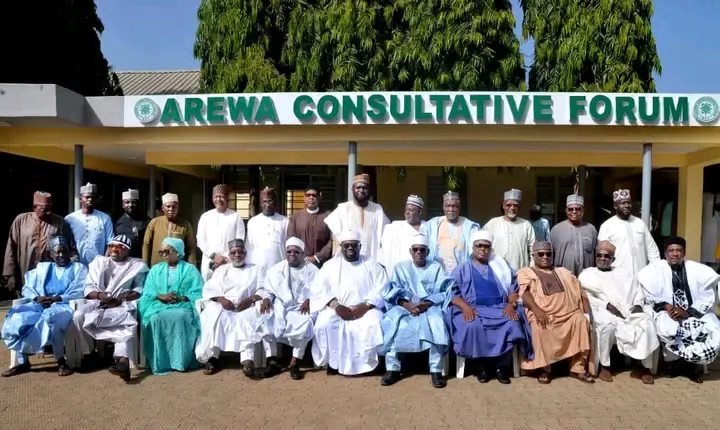
In his earlier remarks, Alhaji Bashir Dalhatu briefed the governor on preparations for the ACF’s 25th anniversary celebration scheduled for November 20–22 in Kaduna. He expressed gratitude for the permanent allocation of office space to the forum, saying, “For the first time, we are operating from premises we can call our own.”
Dalhatu announced that Vice President Kashim Shettima would be the Special Guest of Honour, while industrialist Aliko Dangote is expected to deliver the keynote address. He said the ACF was now determined to move from advocacy to action by setting up an endowment fund to support community-led development efforts.
He also highlighted the forum’s ongoing engagements with traditional rulers, religious leaders, lawmakers, and other national groups aimed at fostering unity, adding, “We want to begin sustained dialogue with our brothers and sisters in the South… all in the spirit of promoting a strong, united Nigeria.”
What You Should Know
Governor Uba Sani’s remarks reflect a growing call for decisive leadership within Northern Nigeria’s political and socio-cultural circles.
While the region boasts significant human capital, the governor argues that true development will remain out of reach until leaders unite behind a coordinated agenda.
The ACF’s renewed efforts—ranging from inter-regional dialogue to the creation of an endowment fund—signal an attempt to reposition the North for sustainable progress.