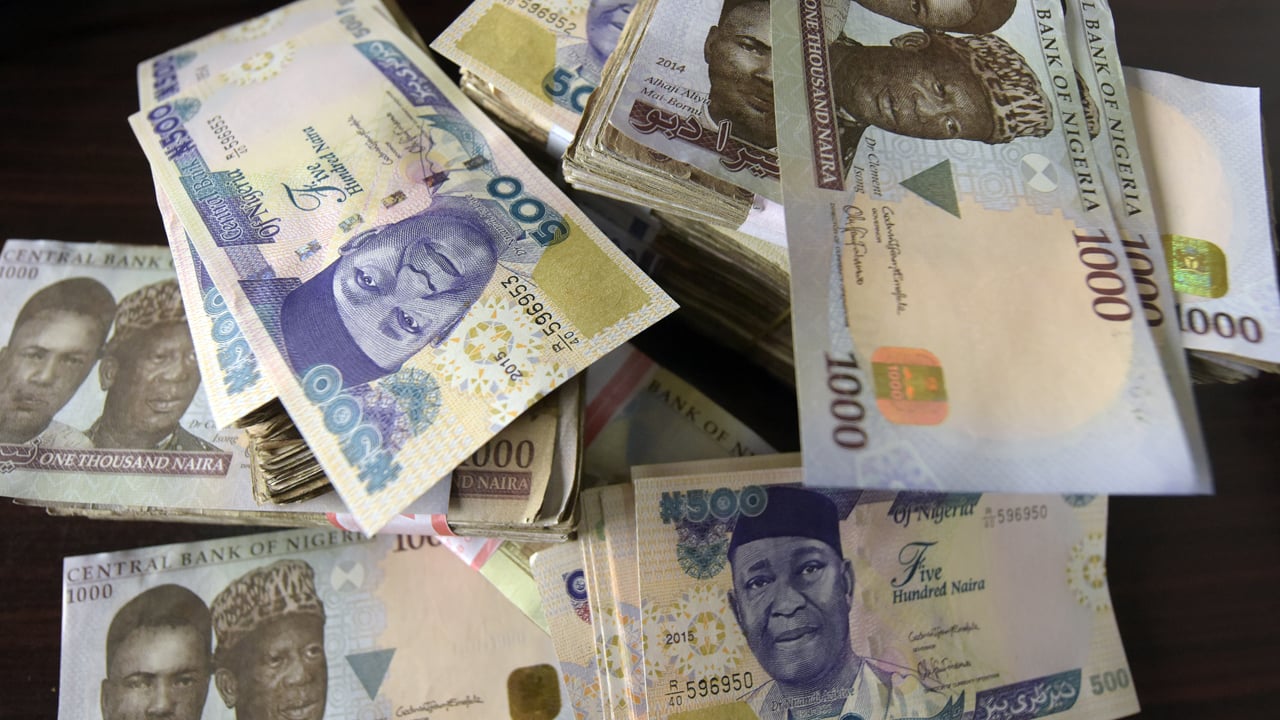
Nigeria’s beleaguered currency could be on track for a meaningful recovery this year, with the naira expected to strengthen to between N1,350 and N1,450 against the dollar, according to a new economic outlook report from CardinalStone Partners.
The projection, published Monday in the investment firm’s 2026 report titled “Indicators Align for Sustained Macro Gains,” represents a potential appreciation of the currency from current levels, marking what analysts describe as a turning point after years of depreciation that has eroded purchasing power and fueled inflation across Africa’s largest economy.
The anticipated currency appreciation stems from what CardinalStone characterizes as “improving macroeconomic fundamentals” and enhanced foreign exchange liquidity in the Nigerian market. The firm credits ongoing policy reforms implemented by monetary authorities with creating conditions more conducive to currency stability.
“We expect Naira to appreciate to a range of N1,350.00/$–N1,450.00/$ in 2026, supported by improving fundamentals,” the report states, suggesting that structural changes in Nigeria’s foreign exchange architecture are beginning to yield tangible results.
This outlook comes despite headwinds in global energy markets, where CardinalStone expects crude oil prices to face downward pressure throughout the year due to oversupply and weakening demand. For Nigeria, which derives the bulk of its foreign exchange earnings from petroleum exports, softer oil prices would traditionally spell trouble for the naira. However, the investment firm argues that improvements to the country’s FX market structure could provide insulation against external shocks.
Nigerian consumers and businesses could see welcomed relief at the pump in 2026, according to the report. CardinalStone projects that domestic prices for Automotive Gas Oil and Premium Motor Spirit—the fuels that power Nigeria’s transport and logistics sectors—will decline as lower global crude prices combine with a stronger naira to reduce import costs.
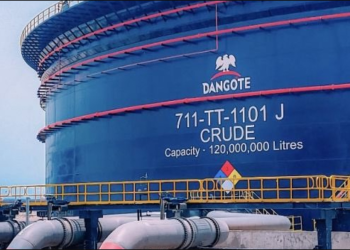
The firm also points to intensifying competition in Nigeria’s downstream petroleum sector as a positive development for price stability. Local refineries, including the recently commissioned Dangote Refinery, are now competing with traditional fuel importers, creating market dynamics that could keep prices in check.
“Competition in the domestic market between local refineries and importers bodes well for the local energy price outlook,” the report notes, highlighting a structural shift in how petroleum products reach Nigerian consumers.
Perhaps most significantly for ordinary Nigerians grappling with the cost-of-living crisis, CardinalStone forecasts headline inflation will ease dramatically from current elevated levels to an average of 15.5% in 2026 before closing the year at 13.9%.
The projected moderation would represent substantial progress in the Central Bank of Nigeria‘s battle against price pressures that have squeezed household budgets and constrained economic activity. A stronger currency typically helps reduce imported inflation, while lower energy costs ease transportation and production expenses across the economy.
Despite the optimistic baseline scenario, CardinalStone cautions that significant risks remain. Chief among them is the deteriorating security situation in Nigeria’s food-producing regions, where farmers face threats from kidnapping, banditry, and communal violence.
“We note the increased traction of insecurity as a risk factor, especially in food-producing regions, which could limit food supply,” the firm warned, acknowledging that disruptions to agricultural production could keep food inflation elevated even as other price pressures ease.
The report also flags anticipated pre-election year spending as a factor that could complicate inflation management as Nigeria heads toward its next electoral cycle.
If CardinalStone’s projections materialize, the combined effect of currency appreciation, moderating inflation, and lower energy costs could catalyze broader macroeconomic recovery. Businesses would benefit from reduced input costs, while households would see improvements in purchasing power after years of erosion.
Manufacturing and transport sectors, particularly sensitive to fuel prices, stand to gain from the projected energy price moderation. Meanwhile, a more stable foreign exchange environment could encourage both domestic investment and foreign capital inflows, which have remained cautious amid currency volatility.
However, analysts emphasize that sustaining these gains will require continued policy discipline from monetary authorities, progress on security challenges, and navigation of uncertain global oil market conditions. The pathway to macroeconomic stability, while appearing clearer than in recent years, remains dependent on factors both within and beyond Nigeria’s control.
As 2026 unfolds, Nigerian businesses and consumers will be watching closely to see whether the projected “sustained macro gains” materialize—and whether relief from years of economic pressure is finally at hand.
WHAT YOU SHOULD KNOW
Nigeria’s naira is projected to strengthen significantly to N1,350-N1,450 per dollar in 2026, while inflation could drop to 13.9% by year-end, and fuel prices are expected to decline. This triple win for the economy—driven by policy reforms, improved FX liquidity, and competition from local refineries—could finally ease the cost-of-living crisis for ordinary Nigerians.
However, the outlook hinges on containing insecurity in food-producing regions and maintaining policy discipline, meaning the projected relief remains conditional on addressing Nigeria’s persistent security challenges.