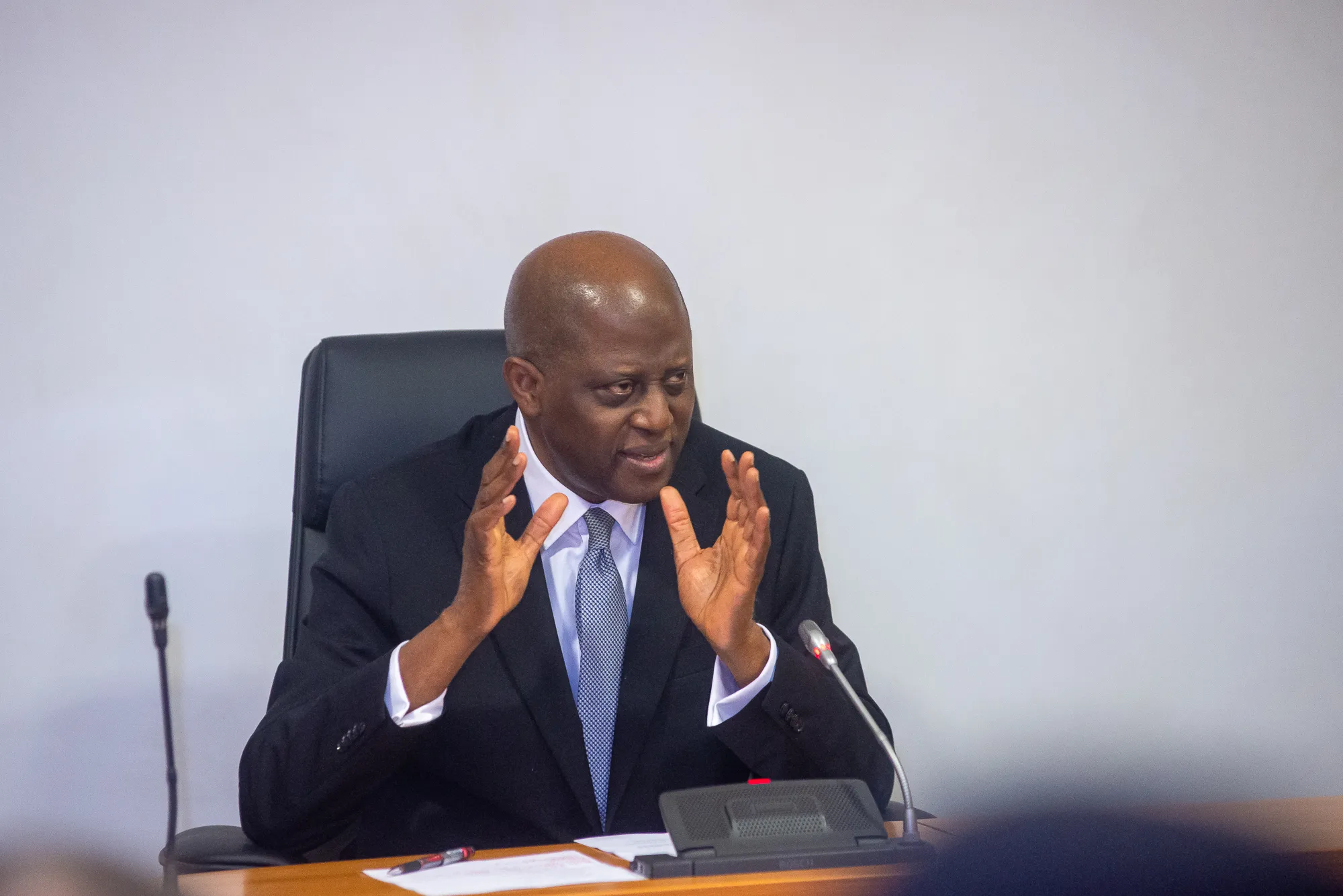
Nigeria’s diaspora remittances have experienced an unprecedented surge, tripling from $200 million to $600 million per month over the past two months, Central Bank of Nigeria (CBN) Governor Olayemi Cardoso announced yesterday during a high-profile business roundtable in Brazil.
Speaking at the Delta State-Brazil Business and Investment Roundtable in São Paulo, Cardoso revealed that this dramatic 200% increase represents a fundamental shift in how Nigeria’s estimated 17 million citizens abroad are channeling funds back home, marking what could be a watershed moment for the country’s foreign exchange stability.
The governor attributed the surge to significant improvements in Nigeria’s exchange rate competitiveness and the streamlining of official remittance channels, which have effectively eliminated the need for diaspora Nigerians to rely on informal money transfer networks that previously bypassed the formal banking system.
“Our exchange rate is becoming a lot more competitive,” Cardoso explained to the international business audience. “Those who used to feel, especially the diasporans, who used to feel they have to look for another channel, another means to send their money back home—they no longer have to do so.”
The announcement comes at a critical juncture for Nigeria’s economy, which has historically relied heavily on oil revenues for foreign exchange earnings. The dramatic increase in formal remittance flows signals a potential diversification that could reduce the country’s vulnerability to volatile oil prices and global energy market fluctuations.
Cardoso acknowledged that the central bank’s focus on diaspora flows initially met with skepticism from financial observers. “When we started looking at diaspora flows as a potential source of diversifying our foreign exchange flows, people laughed,” he recalled, noting that monthly remittances began at approximately $200 million when the initiative launched.
The governor’s projections paint an even more optimistic picture for Nigeria’s foreign exchange future. The CBN expects diaspora remittances to reach at least $1 billion per month by 2026, representing a five-fold increase from the baseline established earlier this year.
This surge in formal remittances suggests that previous estimates of Nigeria’s diaspora financial flows may have significantly underrepresented the true scale of money transfers, as many Nigerians abroad historically relied on informal channels, including hawala networks and unofficial currency exchanges, to avoid unfavorable official rates.
The timing of Cardoso’s announcement in Brazil is particularly significant, given that the South American country hosts one of Nigeria’s largest diaspora populations outside of traditional destinations like the United States and the United Kingdom. The business roundtable represents part of Nigeria’s broader strategy to strengthen economic ties with emerging markets and diversify both its trade relationships and sources of foreign exchange.
For Nigeria’s broader economic picture, the remittance surge offers a potential lifeline as the country works to stabilize its currency and rebuild foreign reserves that have been under pressure in recent years. The improved flows could provide crucial support for the naira while reducing pressure on the central bank to defend the currency using diminishing reserves.
The success of the remittance strategy may also signal broader confidence in the CBN’s recent policy reforms aimed at creating a more unified and competitive foreign exchange market. These changes appear to be paying dividends in encouraging diaspora Nigerians to channel their transfers through official banking channels rather than parallel markets.
As Nigeria continues to grapple with economic challenges, including inflation and fiscal pressures, the dramatic increase in diaspora remittances provides a rare piece of positive economic news that could help stabilize the country’s external position while reducing its traditional dependence on oil export revenues.
WHAT YOU SHOULD KNOW
Nigeria’s diaspora remittances have tripled to $600 million per month due to the Central Bank’s successful exchange rate reforms, which convinced Nigerians abroad to abandon informal money transfer channels for official banking systems. This surge represents a critical breakthrough in reducing Nigeria’s dependence on volatile oil revenues, with projections indicating remittances could reach $1 billion monthly by next year.
The success demonstrates that competitive exchange rates and improved financial infrastructure can unlock previously hidden capital flows, providing Nigeria with a more stable and diversified source of foreign currency that bypasses traditional economic vulnerabilities.