Nigeria’s SEC has sounded the alarm on two cryptocurrency schemes operating illegally within the country’s borders, marking the latest chapter in the regulator’s ongoing battle against digital asset fraud.
The Securities and Exchange Commission delivered a sharp rebuke Wednesday against Zugacoin and Samzuga GPT, branding both as unauthorized crypto assets whose operators lack proper registration to conduct business in Nigeria’s capital markets. The warning comes as regulators worldwide grapple with the proliferation of dubious cryptocurrency schemes targeting unsuspecting retail investors.
Meme Coins Under the Microscope
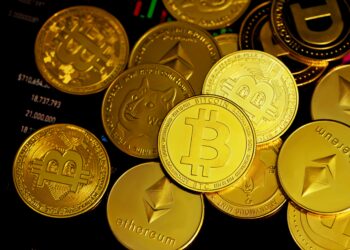
The commission’s preliminary investigation exposed both cryptocurrencies as so-called “meme” coins—digital tokens that derive their value not from underlying technology or real-world utility, but from social media hype and community speculation. Unlike established cryptocurrencies with clear use cases, these tokens exist primarily as vehicles for speculation, making them particularly vulnerable to manipulation.
“Meme coins generally have no use case, intrinsic value, or tangible projects backing them,” the SEC stated, highlighting a fundamental weakness that separates these tokens from legitimate blockchain projects. The regulator emphasized that any perceived value stems entirely from promotional activities and community enthusiasm—factors that can evaporate overnight.
Anatomy of a Pump and Dump
The commission provided a detailed breakdown of the fraudulent mechanics often associated with such schemes. In what regulators term “pump and dump” operations, promoters artificially inflate token prices through misleading marketing campaigns and false promises. Once prices reach attractive levels, these same promoters liquidate their holdings, leaving ordinary investors holding worthless digital tokens.
This classic market manipulation tactic has found new life in the cryptocurrency space, where regulatory oversight remains fragmented and retail investors often lack the expertise to identify warning signs. The SEC’s intervention suggests these particular schemes may have already begun targeting Nigerian investors through online platforms and social media channels.
Regulatory Response and Investor Protection
The warning represents part of the SEC’s broader efforts to establish clear boundaries in Nigeria’s evolving digital asset landscape. By publicly identifying unauthorized operators, the Commission aims to prevent potential losses before schemes can gain significant traction among retail investors.
The regulator stressed that any individuals choosing to invest in these unauthorized schemes do so entirely at their own risk, effectively disclaiming any investor protection mechanisms that might otherwise apply to registered securities.
Due Diligence Imperative
Perhaps most significantly, the SEC reminded investors of their responsibility to verify the legitimacy of any cryptocurrency investment opportunity. The commission maintains a dedicated online portal where investors can check the registration status of digital asset promoters and trading platforms before committing funds.
This verification process represents a crucial safeguard in an environment where fraudulent schemes often masquerade as legitimate investment opportunities, complete with professional-looking websites and persuasive marketing materials.
The SEC’s intervention underscores the ongoing tension between innovation in digital finance and the need to protect retail investors from sophisticated fraud schemes. As cryptocurrency adoption continues expanding across Nigeria, regulatory clarity around authorized versus unauthorized digital assets becomes increasingly critical for market integrity.
For investors, the message remains clear: in the rapidly evolving world of digital assets, verification and regulatory compliance checking represent the first line of defense against financial fraud.
WHAT YOU SHOULD KNOW
Nigeria’s SEC has issued a critical warning against Zugacoin and Samzuga GPT, identifying them as illegal cryptocurrency schemes designed to defraud investors. These “meme coins” have no real value or backing and operate as classic pump-and-dump scams where promoters artificially inflate prices before selling off their holdings, leaving investors with worthless tokens.
Before investing in any cryptocurrency, always verify its legitimacy through the SEC’s official portal. If a digital asset or its promoters aren’t registered with Nigerian regulators, it’s likely a scam. Remember, if you invest in unauthorized schemes, you do so entirely at your own risk with no regulatory protection.