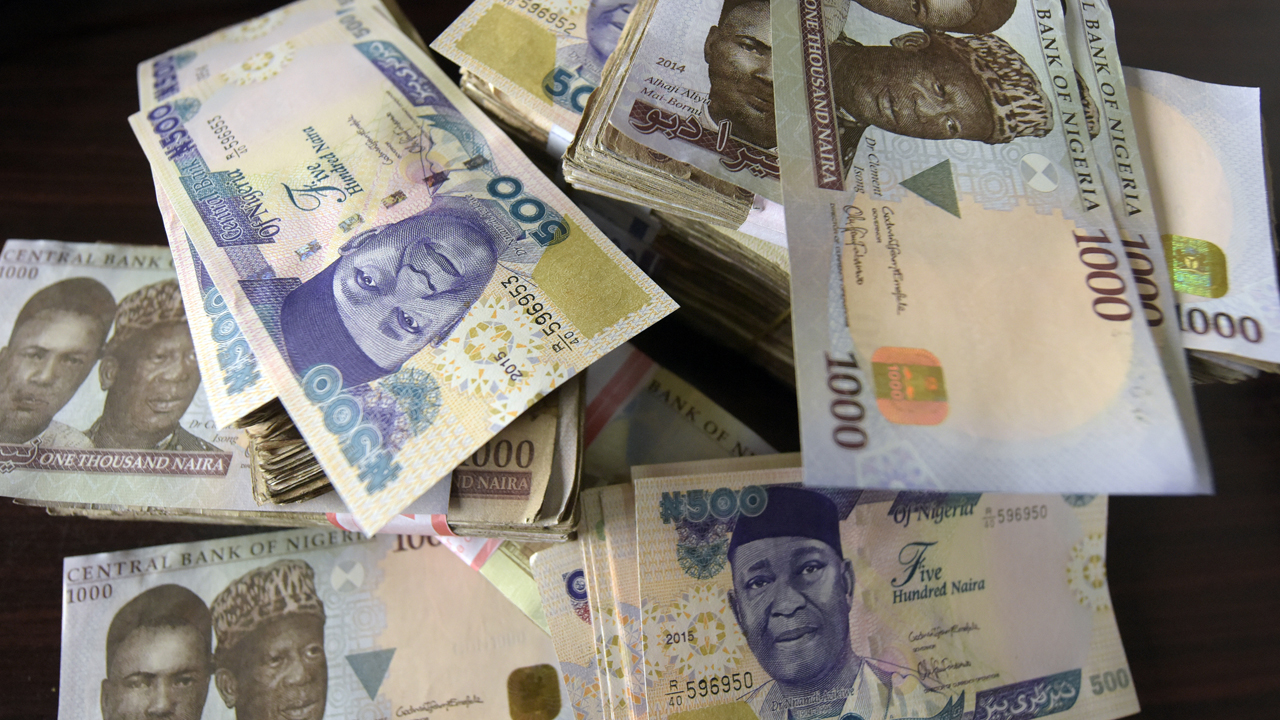
The Nigerian naira navigated choppy waters on Thursday, holding onto a tenuous equilibrium as currency traders balanced signs of improved dollar availability against unrelenting demand from importers and retail buyers across Africa’s largest economy.
Official and Parallel Markets Show Modest Convergence
At the close of trading on Thursday, the naira was quoted at ₦1,483 to the US dollar on the Nigerian Foreign Exchange Market (NFEM), the official platform where banks and authorized dealers execute foreign currency transactions under Central Bank of Nigeria (CBN) oversight. The rate represented marginal movement from Wednesday’s session, underscoring what dealers described as a holding pattern in the interbank market.
Meanwhile, in the parallel market—the informal but widely consulted street-level exchange system—currency aggregators pegged the naira at approximately ₦1,490 per dollar. The ₦7 spread between the two windows marks a significant tightening from the yawning double-digit gaps that characterized previous episodes of acute market stress, suggesting a degree of convergence between official and informal pricing.
Yet market veterans caution that the narrowing differential should not be mistaken for durability. “We’re seeing some alignment, yes, but it’s brittle,” said a senior dealer at a Tier-1 commercial bank who requested anonymity due to company policy. “The fundamentals haven’t shifted dramatically. This is more about managed supply than structural change.”
CBN Liquidity Operations Keep Volatility in Check
Market participants credit the Central Bank’s strategic dollar injections with smoothing out the sharp intraday swings that have plagued the naira in recent months. These interventions, combined with modest upticks in foreign currency inflows—driven in part by diaspora remittances and select import receipts—have provided temporary relief to a market long starved of liquidity.
The NFEM platform, which operates on an electronic order-matching system, continues to reflect the CBN’s behind-the-scenes management. Traders report that the central bank’s periodic dollar auctions and direct market operations remain the principal stabilizing force, effectively setting a floor under the currency even as underlying demand pressures persist.
Demand Drivers Remain Entrenched
Despite the surface calm, the structural drivers of naira weakness remain firmly in place. Importers seeking hard currency to clear goods at Nigerian ports, students funding overseas tuition, and travelers purchasing dollars for business and leisure trips continue to dominate volumes in the parallel market—a segment that serves individuals and small businesses often shut out of the formal banking system.
“The parallel market isn’t going away,” noted a foreign exchange analyst at a Lagos-based brokerage. “It’s the release valve for all the pent-up demand that can’t be satisfied through official channels. Until banks can process retail FX requests efficiently and transparently, the street market will keep operating—and keep exerting pressure on the exchange rate.”
Corporate clients with access to NFEM manage the bulk of large-ticket transactions through authorized dealers, but analysts say the two-tier system creates distortions that complicate monetary policy transmission and erode confidence in the official rate.
Global Backdrop Offers Little Relief
International currency markets provided a mixed backdrop on Thursday. The US dollar traded broadly sideways against major peers following recent turbulence tied to shifting interest rate expectations and geopolitical tensions. While the relative stability in global FX markets has eased one source of external pressure on the naira, Nigerian policymakers cannot count on benign international conditions to carry the domestic currency indefinitely.
Fragile Convergence Requires Sustained Policy Action
Market commentators are sounding notes of caution despite Thursday’s relative tranquility. The prevailing view is that the current level of convergence between official and parallel rates is contingent on the CBN’s willingness and ability to continue measured interventions—a strategy that depends on the central bank’s own dollar reserves and the trajectory of Nigeria’s balance of payments.
“Convergence is good, but it’s not the same as stability,” warned an economist at a multinational advisory firm. “What we need is sustained inflows, deeper market liquidity, and clear, consistent policy signals from the authorities. Without those, we’re just one supply shock away from renewed divergence and volatility.”
Near-Term Outlook: Cautious Optimism, Guarded Expectations
Looking ahead, market forecasters expect the naira to trade within a narrow corridor over the coming days: ₦1,480 to ₦1,495 on NFEM and ₦1,485 to ₦1,500 in the parallel market. That outlook assumes steady dollar supply, no abrupt demand surges, and continued CBN engagement.
However, analysts emphasize that the band is conditional. Any disruption to inflows—whether from falling oil revenues, reduced remittances, or capital flight—could quickly reignite the kind of volatility that has become a recurring feature of Nigeria’s FX landscape.
For now, the naira’s fate rests on the CBN’s capacity to keep supplying dollars in measured doses while policymakers work to address the deeper structural imbalances that have left Nigeria’s currency chronically vulnerable. Thursday’s performance, while encouraging, is best understood as a snapshot of temporary equilibrium rather than evidence of a durable turnaround.
WHAT YOU SHOULD KNOW
The naira’s current stability is fragile and artificial. While the currency held steady Thursday at ₦1,483 (official) and ₦1,490 (parallel), with the narrowest spread in months, this calm depends entirely on Central Bank interventions—not genuine economic improvement.
Without sustained dollar inflows, deeper market reforms, and consistent policy direction, Nigeria’s currency remains one supply shock away from renewed crisis. The convergence between official and street rates is temporary relief, not a structural fix. Traders and policymakers alike know this stability is borrowed time unless fundamental imbalances are addressed.