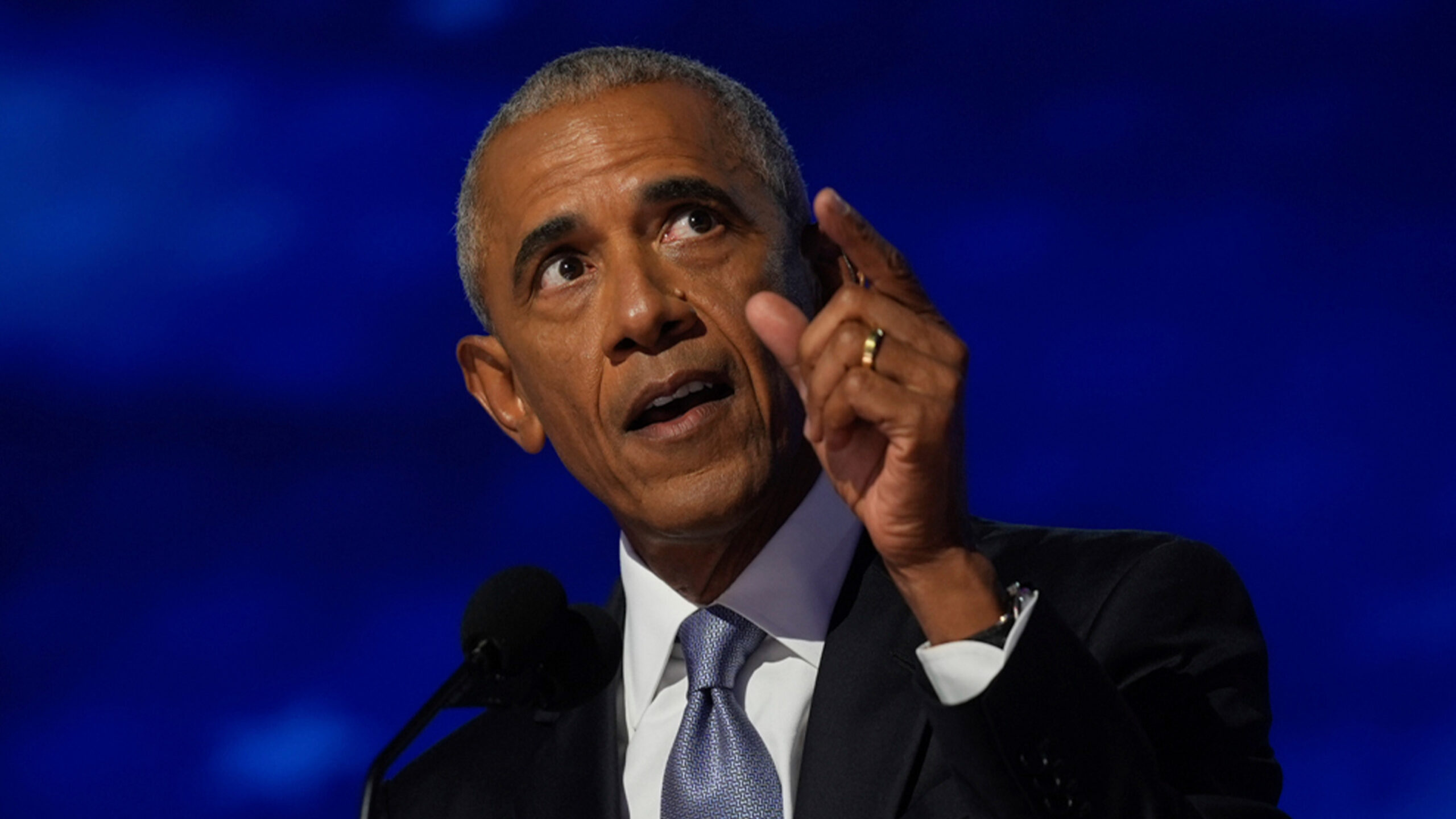
Former President Barack Obama has released his highly anticipated Songs of the Year list for 2025, and the message is unmistakable: Afrobeats has firmly established itself as a central force in contemporary global music.
The 44th President’s yearly playlist has become something of a cultural barometer, offering insight into emerging trends and legitimizing artists on the world stage. This year’s selections double down on Nigerian talent, featuring multiple tracks that span the diverse spectrum of Africa’s most successful musical export.
Obama’s engagement with Afrobeats in 2025 appears particularly informed and intentional. Earlier this year, his media company, Higher Ground, partnered with Audible to produce “Fela Kuti: Fear No Man,” a comprehensive 12-part documentary podcast exploring the life and legacy of the Afrobeat pioneer. Obama served not only as executive producer but also participated as an interviewee, describing Fela as a “musical genius” and drawing connections between the artist’s bold expression and art’s capacity to confront injustice.
This deep dive into the genre’s origins provides context for the former president’s 2025 selections, suggesting his appreciation extends beyond surface-level engagement to a genuine understanding of the music’s cultural and political significance.
Topping this year’s list is “TATATA,” the collaboration between Burna Boy and Travis Scott from Burna’s Grammy-nominated album “No Sign of Weakness.” The track represents a seamless fusion of the African Giant’s signature rhythmic sensibilities with Travis Scott’s psychedelic Houston trap production.
However, the most significant inclusion may be “99,” a single from Nigerian hip-hop veteran Olamide‘s self-titled eleventh studio album. Produced by Yung Willis, the track features an all-star lineup including Asake, Seyi Vibez, Young Jonn, and British-Nigerian artist Daecolm. The song achieved immediate commercial dominance, claiming the number one position on both Apple Music and Spotify Nigeria upon release.
The selection of “99” is particularly telling. Rather than gravitating solely toward internationally polished, Western-facing pop, Obama’s list embraces the “Street-Pop” movement currently defining African urban music—a grittier, more authentically local sound that resonates deeply within the continent.
Adding artistic depth to the compilation is London-based Nigerian singer Obongjayar’s “Not In Surrender.” Long regarded as an “artist’s artist,” Obongjayar creates genre-defying compositions that resist easy categorization. His inclusion provides the list with intellectual heft while highlighting how the Nigerian diaspora in London continues to expand the sonic boundaries of African music.
Obama’s playlist has historically served as a launching pad for Nigerian artists seeking international recognition. In 2019, young Rema’s “Iron Man” appeared on the list, marking what many consider the official beginning of his global ascent. The 2020 and 2021 lists featured Wizkid and Tems’ “Essence,” with the so-called “Obama Bump” helping propel the track to crossover success before it peaked on the Billboard charts in 2021. Wizkid’s “Smile,” featuring H.E.R., had also appeared on Obama’s summer 2020 playlist.
Burna Boy has been a recurring presence, with “Last Last” making the 2022 cut. Ayra Starr earned recognition with her infectious hit “Rush,” while Pheelz and BNXN have also received the presidential nod in previous years. This consistent representation demonstrates that Afrobeats occupies a permanent place in Obama’s musical consciousness rather than serving as a fleeting trend.
The 2025 list arrives at a pivotal moment for African music. The genre has transcended its former status as a “world music” novelty or niche category. When artists like Olamide and Seyi Vibez appear alongside established American hip-hop and indie rock acts, it reflects a fundamental shift in global pop’s center of gravity.
The inclusion of these Nigerian artists—particularly those rooted in the Street-Pop movement rather than more commercially palatable crossover sounds—signals that Afrobeats is not merely being tolerated or tokenized. It is actively setting trends and defining what contemporary global music sounds like.
As streaming continues to democratize music consumption and African artists command increasingly massive audiences both on the continent and in the diaspora, Obama’s 2025 playlist serves as formal recognition of what industry observers have known for years: Afrobeats isn’t coming to the table—it’s already seated at the head of it.
WHAT YOU SHOULD KNOW
Barack Obama’s 2025 Songs of the Year list confirms Afrobeats has evolved from a niche genre to a dominant force in global music. Featuring Nigerian artists like Burna Boy, Olamide, and Obongjayar, the selections reflect Obama’s deepened understanding of the genre following his documentary on Afrobeat pioneer Fela Kuti.
Most significantly, the inclusion of street-pop tracks like “99” shows that authentic African sounds—not just Western-facing crossovers—are now shaping mainstream global music. The list marks a power shift: Afrobeats is no longer seeking validation; it’s setting the agenda.