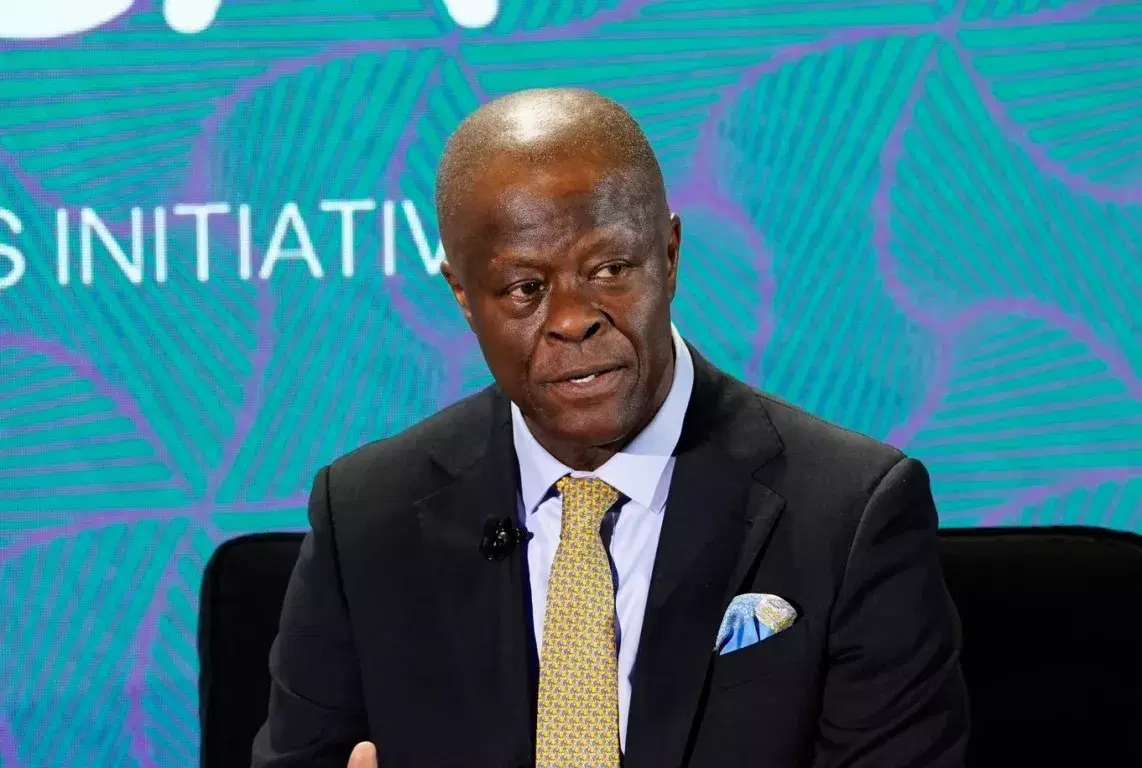
Nigeria’s Minister of Finance and Coordinating Minister of the Economy, Wale Edun, has unveiled plans for an ambitious national database system designed to identify and track citizens eligible for government assistance programs, marking a significant shift in how Africa’s most populous nation delivers social welfare.
Speaking at the 31st Nigerian Economic Summit, Edun emphasized the government’s commitment to creating what he described as a “robust database of Nigerians who can be uniquely identified and reached and helped by the government.”
The announcement signals the administration’s intention to overhaul the country’s social intervention framework, which has long been criticized for inefficiency, leakages, and failure to reach intended beneficiaries. The proposed database aims to ensure that economic and social interventions are delivered to the poorest and most vulnerable Nigerians “in a structured and sustainable manner,” according to the minister.
Addressing Long-Standing Challenges
Nigeria has struggled for years with the effective implementation of social welfare programs. Previous cash transfer schemes and subsidy programs have been plagued by issues including ghost beneficiaries, multiple registrations, and the absence of a reliable system to verify recipients’ identities and socioeconomic status.
The new database initiative appears designed to tackle these challenges head-on by creating a single, verifiable registry of citizens. This would theoretically enable the government to eliminate duplicate entries, prevent fraud, and ensure that assistance reaches those who genuinely need it rather than being siphoned off by intermediaries or directed to ineligible recipients.
Economic Context
The announcement comes at a critical time for Nigeria’s economy. The country has faced mounting economic pressures, including rising inflation, currency devaluation, and the recent removal of fuel subsidies, which have significantly impacted the purchasing power of ordinary Nigerians. The government has faced growing pressure to cushion the effects of these reforms on the most vulnerable segments of society.
With an estimated poverty rate affecting a substantial portion of Nigeria’s over 200 million citizens, the ability to accurately identify and support those in need has become increasingly urgent. The proposed database could serve as the infrastructure for more efficient distribution of palliatives, conditional cash transfers, and other social safety net programs.
Implementation Questions Remain
While Edun’s announcement outlines the government’s vision, critical details about implementation remain unclear. Questions persist about the technical infrastructure required, data protection measures, funding mechanisms, and the timeline for rollout.
Nigeria has attempted similar initiatives in the past, including the National Social Register, with varying degrees of success. The effectiveness of this new database will likely depend on factors including technological capacity, inter-agency cooperation, protection of citizens’ privacy, and the government’s ability to maintain and update the system consistently.
The Nigerian Economic Summit, organized annually by the Nigerian Economic Summit Group, brings together policymakers, business leaders, and development experts to discuss the country’s economic trajectory and policy priorities.
As the government moves forward with this initiative, stakeholders will be watching closely to see whether it can deliver on its promise of more targeted, efficient, and transparent social interventions for Nigeria’s most vulnerable populations.
WHAT YOU SHOULD KNOW
Nigeria’s government is building a national database to uniquely identify citizens in need of assistance, aiming to fix long-standing problems with welfare programs that have suffered from fraud, ghost beneficiaries, and failure to reach the truly vulnerable.
The initiative comes amid economic hardship from fuel subsidy removal and inflation, but success will depend on proper implementation, data protection, and learning from past failed attempts at similar systems. If executed well, it could finally ensure government aid reaches the poorest Nigerians rather than being lost to corruption and inefficiency.