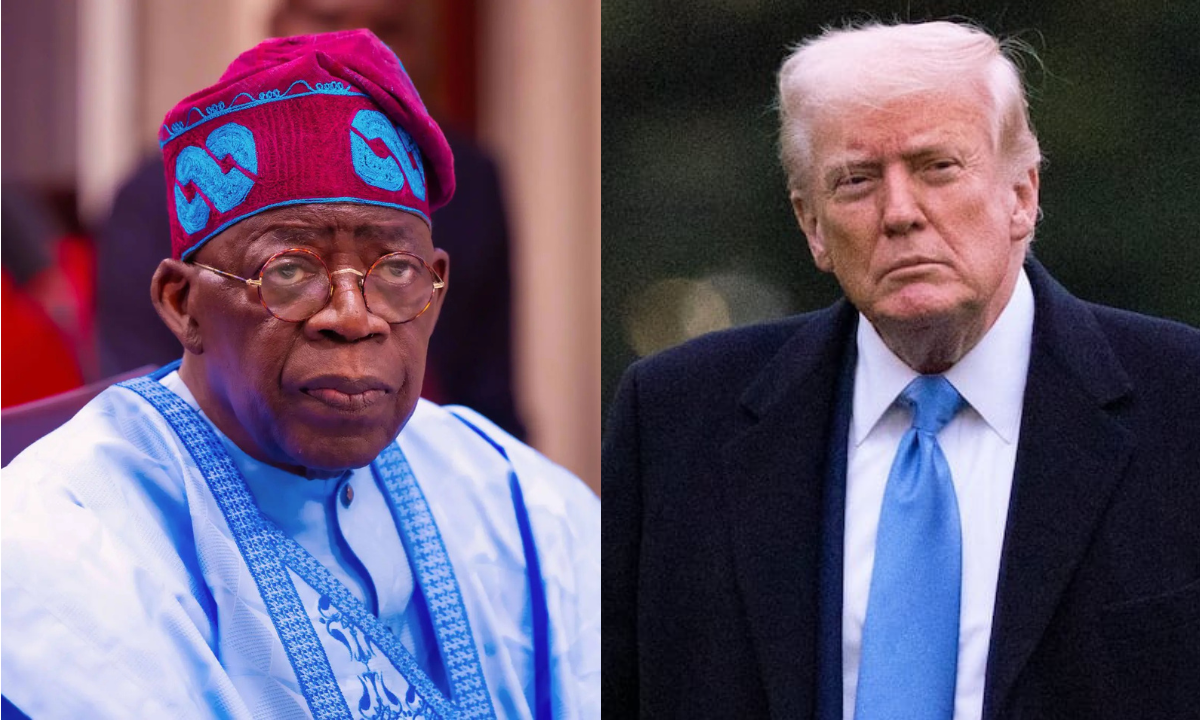
The Federal Government has initiated high-level diplomatic discussions with the United States in response to the recent military threat issued by US President Donald Trump.
Nigeria’s Minister of Information and National Orientation, Mohammed Idris, disclosed this during an interview with Sky News, explaining that the two nations are using established diplomatic channels to ease tensions and restore mutual understanding.

“Channels of communication have been opened. I can confirm that we are talking with them, and I think they are understanding the situation better,” Idris stated. He emphasized that much of the misunderstanding stems from a misinterpretation of Nigeria’s complex and diverse security challenges.
Idris stressed that Nigeria has not lost any territory to Boko Haram insurgents and clarified that the fight against terrorism in the country does not follow the pattern of conventional warfare. He further alleged that there are ongoing efforts by proscribed separatist groups within Nigeria, in collaboration with lobbyists in the United States, to distort the country’s image and mislead Washington.
“Let me also put it out there that we are seeing a direct connection between (US) lobbyists and (a) proscribed terrorist organisation in Nigeria, and we have seen how they have set up this lobby in the US, contacting high-up people in the United States to help them to lobby,” the minister revealed.
According to Idris, the United States has historically supported Nigeria in its battle against terrorism, and the government hopes for continued cooperation. “What we are saying is that, yes, indeed, the situation is there. We have conflict in Nigeria. We have a security situation in Nigeria, but in the past, the United States government has helped Nigerian authorities to deal with this situation. So we are calling on them to partner with us once again, to help push this, and then we have peace once and for all in our country,” he said.
The minister also expressed concern about the data used by US groups and media outlets to back claims of religious intolerance in Nigeria, arguing that such information is unreliable. “Some of the assumptions are based on data that largely cannot stand any scientific scrutiny,” Idris maintained.
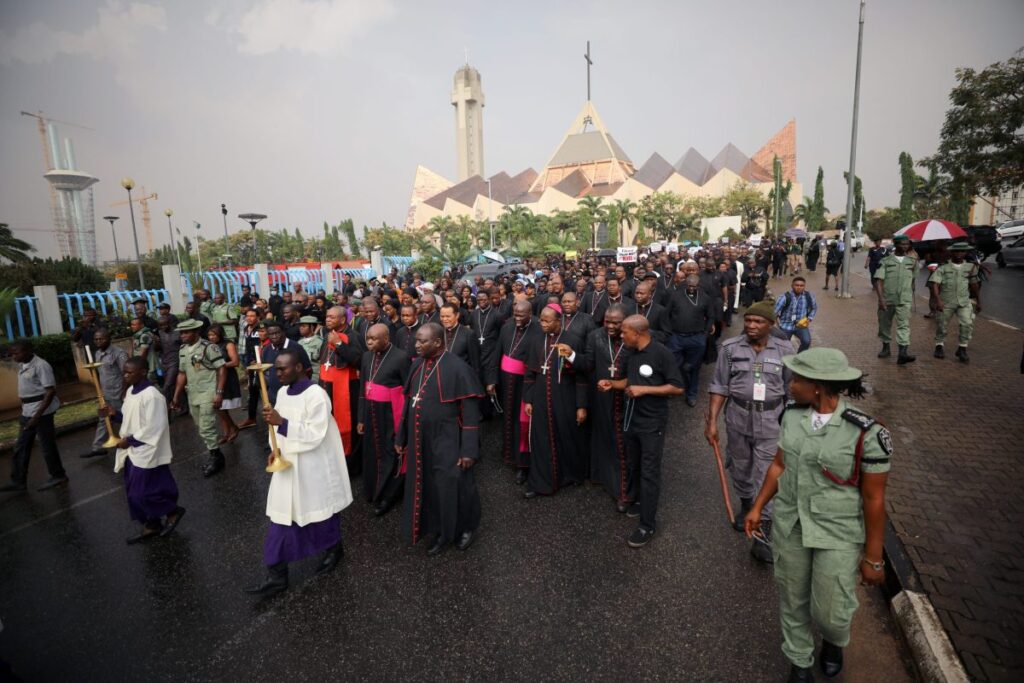
He reiterated that Nigeria’s constitution guarantees freedom of religion and that, despite ongoing conflicts, the country remains a multi-faith nation. Idris urged the international community to consider Nigeria’s unique social and cultural dynamics when assessing its internal challenges.
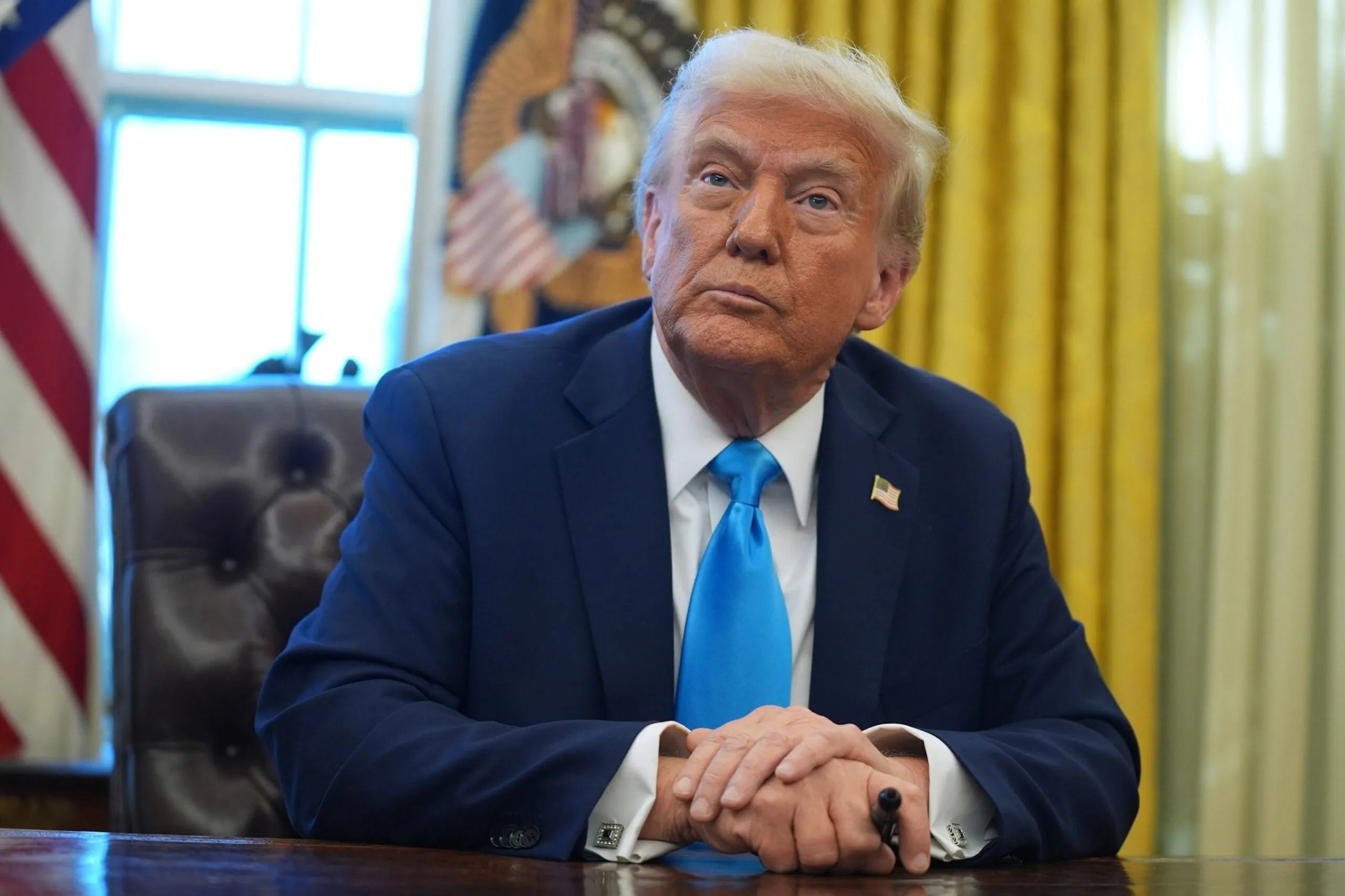
Nigeria’s diplomatic outreach follows President Trump’s explosive post on his Truth Social platform on November 2, where he instructed the Pentagon to draw up a possible plan of attack on Nigeria. Trump claimed Christianity was “facing an existential threat” in Africa’s most populous country, warning that if Nigeria fails to curb the killings, the US response “will be fast, vicious, and sweet, just like the terrorist thugs attack our CHERISHED Christians.”
Two weeks later, Trump restated his threat of potential military action against Nigeria. Speaking aboard Air Force One, he was asked if he planned to deploy troops or conduct air strikes, to which he replied, “Could be, I envisage a lot of things.”
The US President’s statements have since drawn widespread reactions from global political and diplomatic circles, prompting Nigerian officials to seek direct dialogue aimed at preventing further escalation.
What you should know
Mohammed Idris, Nigeria’s Minister of Information and National Orientation, has become a central figure in managing the diplomatic fallout from President Trump’s remarks.
Known for his calm but firm communication style, Idris is playing a crucial role in defending Nigeria’s image abroad and clarifying the nation’s internal security complexities. His emphasis on diplomacy, fact-based dialogue, and religious tolerance underscores the government’s determination to correct misconceptions and maintain international partnerships.
The ongoing talks with Washington represent a pivotal moment in Nigeria-US relations, testing both nations’ commitment to cooperation amid rising global political tension.