Taiwo Oyedele, Chairman of the Presidential Committee on Fiscal Policy and Tax Reforms, announced that Nigerians earning N250,000 or less per month will be exempt from income tax under new tax laws, effective from January 2026.
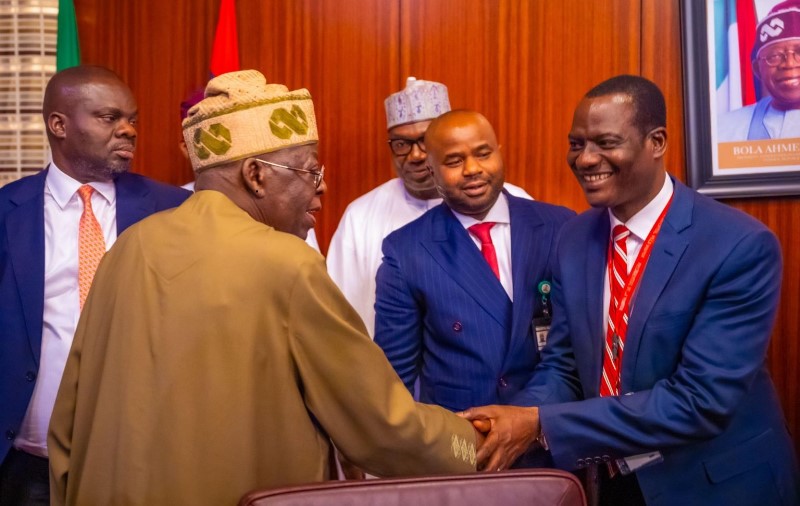
Speaking on Channels Television’s Politics Today after President Bola Tinubu signed four tax reform bills on Thursday, Oyedele clarified that households with this income level are considered poor and should not bear tax burdens.
Appointed by Tinubu in July 2023, Oyedele described his two-year leadership of the tax reform committee as challenging yet impactful.
He emphasized that the new laws—comprising the Nigeria Tax Bill, Nigeria Tax Administration Bill, Nigeria Revenue Service (Establishment) Bill, and Joint Revenue Board (Establishment) Bill—are designed to stimulate economic growth, track tax evaders, and protect businesses, not to raise taxes.
“This tax law will not give you cash in your pocket, but at least it won’t take your cash away if you are poor,” he said, underscoring the laws’ focus on efficiency, growth, and people-centric policies.
Oyedele explained that individuals earning below N250,000 monthly are exempt from taxes, as they lack sufficient income. For middle-income earners, estimated at N1.8 to N2 million monthly and representing about 5% of Nigerians, taxes will be reduced. Higher earners will face a slight increase.
To determine the poverty line, the committee debated global standards, like the World Bank’s $2.15 daily threshold, but adjusted for local realities.
“We started with data like the World Bank and the UN will tell you two dollars, fifteen cents a day per person means you are at the poverty line but there are people who do not earn two dollars a day but they are not poor because they produce the food that they eat and they do not pay for transportation. I lived and grew up in the village,” Oyedele noted.
The committee set the poverty line based on a household of five, with two working members earning roughly N120,000 to N130,000 monthly, totaling N250,000. “If the earnings are about N250,000, they can take care of themselves. Of course, they are not going to have luxury, but at least they can take care of themselves. They are poor, and they shouldn’t pay taxes,” he said.
Oyedele highlighted that Nigeria collects only 30% of its potential tax revenue, and the new laws aim to close the 70% gap to enhance economic activity.
What You Should Know
- Nigerians earning N250,000 or less monthly will be exempt from income tax under new laws effective January 2026, as announced by Taiwo Oyedele.
- The tax reforms, signed by President Tinubu, include four bills aimed at boosting revenue, protecting businesses, and promoting economic growth.
- Middle-income earners (N1.8–N2 million monthly, about 5% of Nigerians) will see reduced taxes, while higher earners face a slight increase.
- The poverty line was set at N250,000 monthly for a household of five, based on local factors like self-produced food and minimal transport costs.
- Nigeria currently collects only 30% of potential tax revenue, and the new laws seek to address the 70% shortfall without taxing the poor.