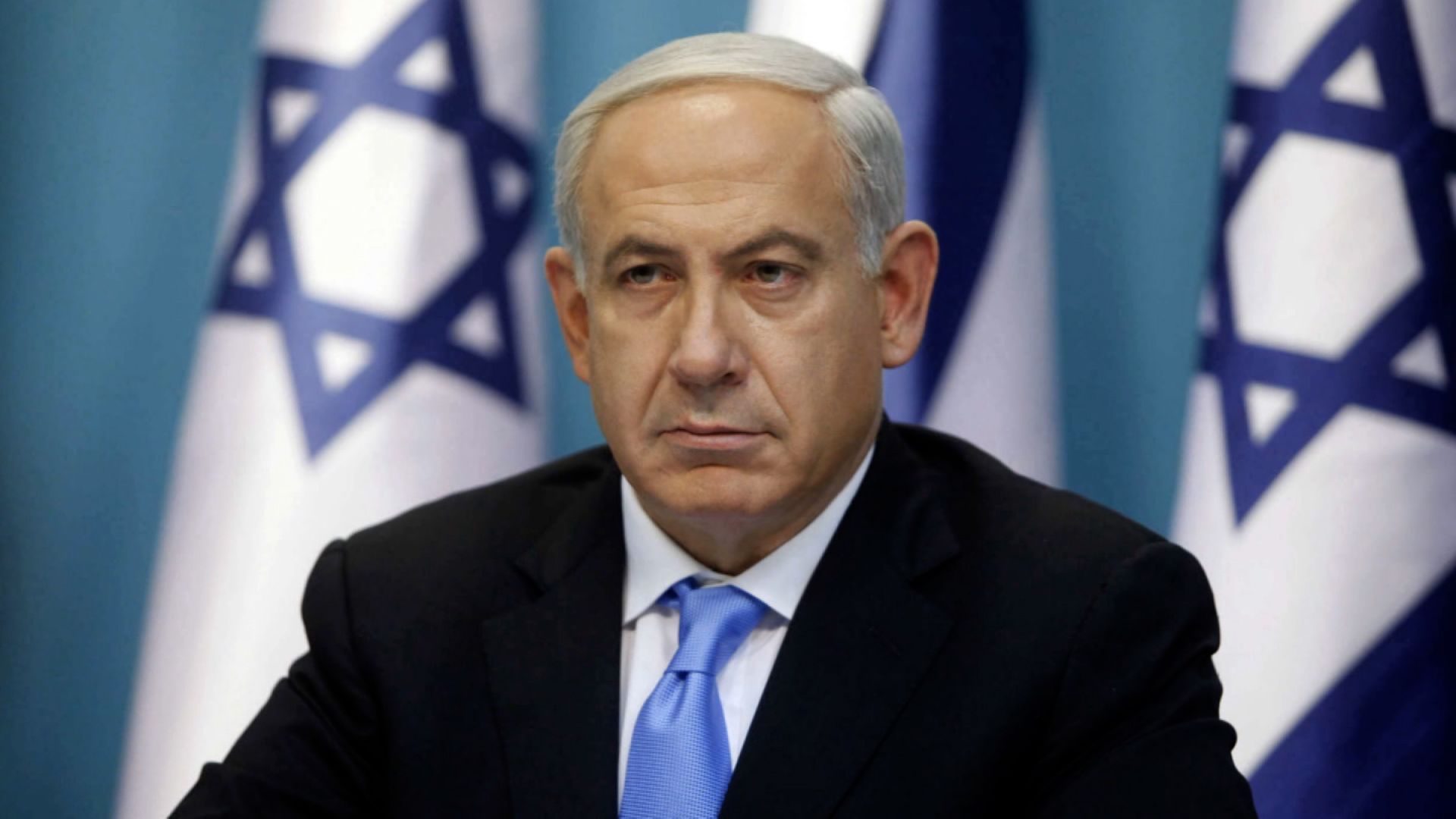
Israeli Prime Minister Benjamin Netanyahu appears to be turning his focus toward the country’s next elections as political tension mounts within his weakened coalition following his acceptance of a US-brokered Gaza ceasefire.
Netanyahu, Israel’s longest-serving leader and a dominant political figure for decades, now governs without a parliamentary majority after an ultra-Orthodox party quit in July. The withdrawal came in protest over the government’s failure to pass a law granting military service exemptions to the ultra-Orthodox community, leaving the ruling coalition with just 60 out of 120 Knesset seats.

The summer recess temporarily shielded Netanyahu’s administration from collapse, but the return of parliament on October 20 has reignited political maneuvering and instability. Under pressure from US President Donald Trump, Netanyahu agreed to a ceasefire with Hamas that took effect on October 10, ending more than two years of fighting in Gaza.
The decision sparked outrage among his far-right allies, who accused him of surrendering to Hamas and argued that Israel should have maintained full military control over Gaza. Although these factions have not formally abandoned the coalition, they are now leveraging their support to demand greater political concessions.
Independent analyst Michael Horowitz noted that “the coalition has been weakened by the ceasefire agreement,” adding that Netanyahu is now more focused on positioning himself for the next elections than preserving his fragile government.
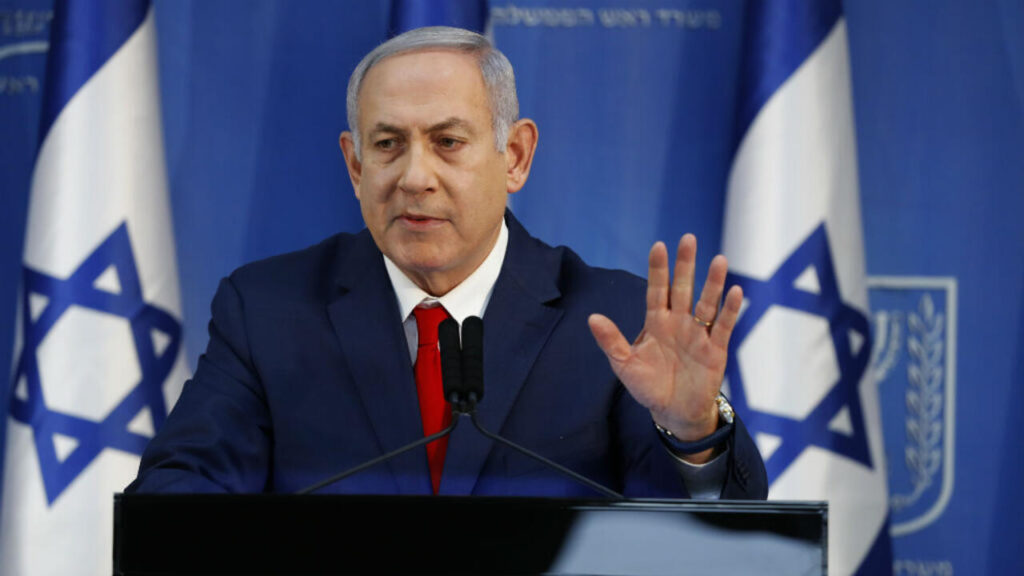
In a televised interview on October 18, Netanyahu confirmed his intention to run again and expressed confidence in winning. While elections are due by late October 2026, speculation is growing that he may call for an early vote, possibly in June 2026, or be forced into one if additional coalition partners withdraw.
One key threat comes from far-right National Security Minister Itamar Ben Gvir, who warned he would withhold support unless his “death penalty for terrorists” bill is debated by November 9. Netanyahu also faces pressure from within his coalition over ideological divisions—particularly on whether to resume the Gaza war or annex parts of the occupied West Bank.
The ultra-Orthodox Shas party, which holds 11 seats, has distanced itself from the government and insists it will only remain if military exemptions are legally secured. Meanwhile, the United Torah Judaism party has already exited both the cabinet and the coalition.
Reports from Israeli media, including political journalist Amit Segal, suggest Netanyahu could aim for early elections in June 2026, viewing it as an opportunity to regain stability under his own terms.

To consolidate his base, Netanyahu’s Likud party is expected to push for legislative changes that could benefit its allies, such as lowering the electoral threshold and reducing the voting age to 17. This move would likely increase ultra-Orthodox voter turnout.
Despite public dissatisfaction and his ongoing corruption trials, Netanyahu remains the undisputed leader of Likud and is set to be re-elected unopposed at the end of November. Polls continue to show his party leading, underscoring his enduring political resilience even amid internal fractures and waning public confidence.
What You Should Know
Benjamin Netanyahu’s coalition has been weakened by the fallout from a US-brokered Gaza ceasefire that angered his far-right partners and fractured his parliamentary majority.
Facing pressure from both allies and opponents, he is reportedly considering early elections—possibly in June 2026—to reassert control.
Despite ongoing corruption trials and public unrest, Netanyahu’s Likud party remains the leading force in Israeli politics, underscoring his enduring influence as the nation’s political landscape grows increasingly volatile.