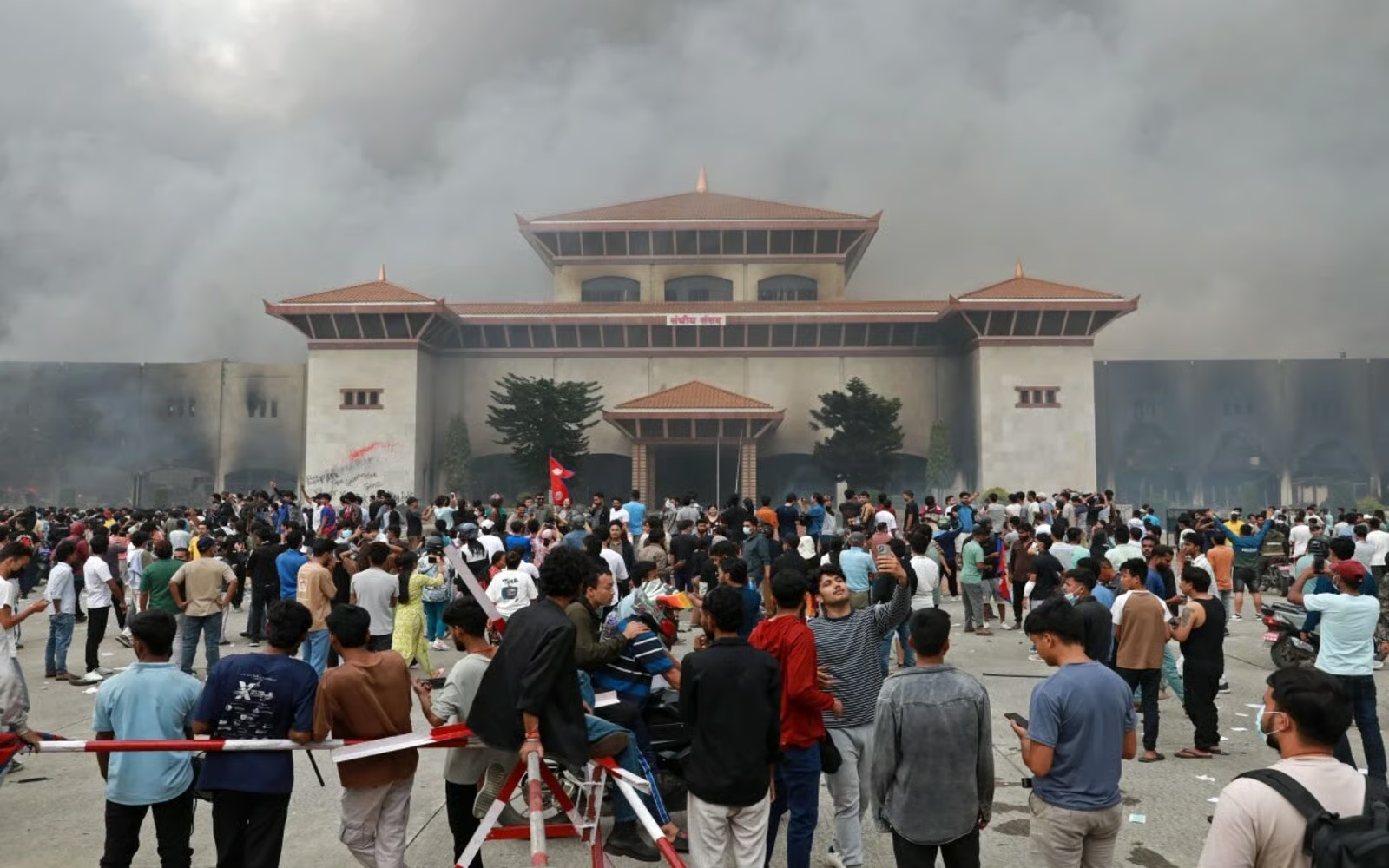
Nepal plunged into chaos on Tuesday as demonstrators stormed and set fire to parliament while Prime Minister Sharma Oli resigned, bowing to a powerful youth-led movement triggered by a ban on social media.
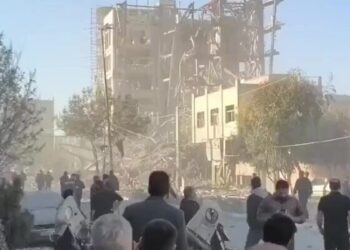
The unrest, described as one of the deadliest in recent years, escalated after at least 19 people were killed during nationwide rallies on Monday. Anger deepened in Kathmandu as protesters flooded the streets, some jubilant while others torched government offices and wielded automatic rifles.
The military issued a warning against “activities that could lead the country into unrest and instability” as the movement rapidly gained momentum across the nation of 30 million people.
What began as demonstrations against corruption and a ban on social media grew into a sweeping political crisis. Though the government rolled back the order and restored apps online, protests reignited on Tuesday, spreading beyond the capital to other cities.
“The Nepal government has fallen, the youth have won the protest,” declared Sudan Gurung, a leading voice of the movement, in a triumphant post on Instagram. “The future is ours.”
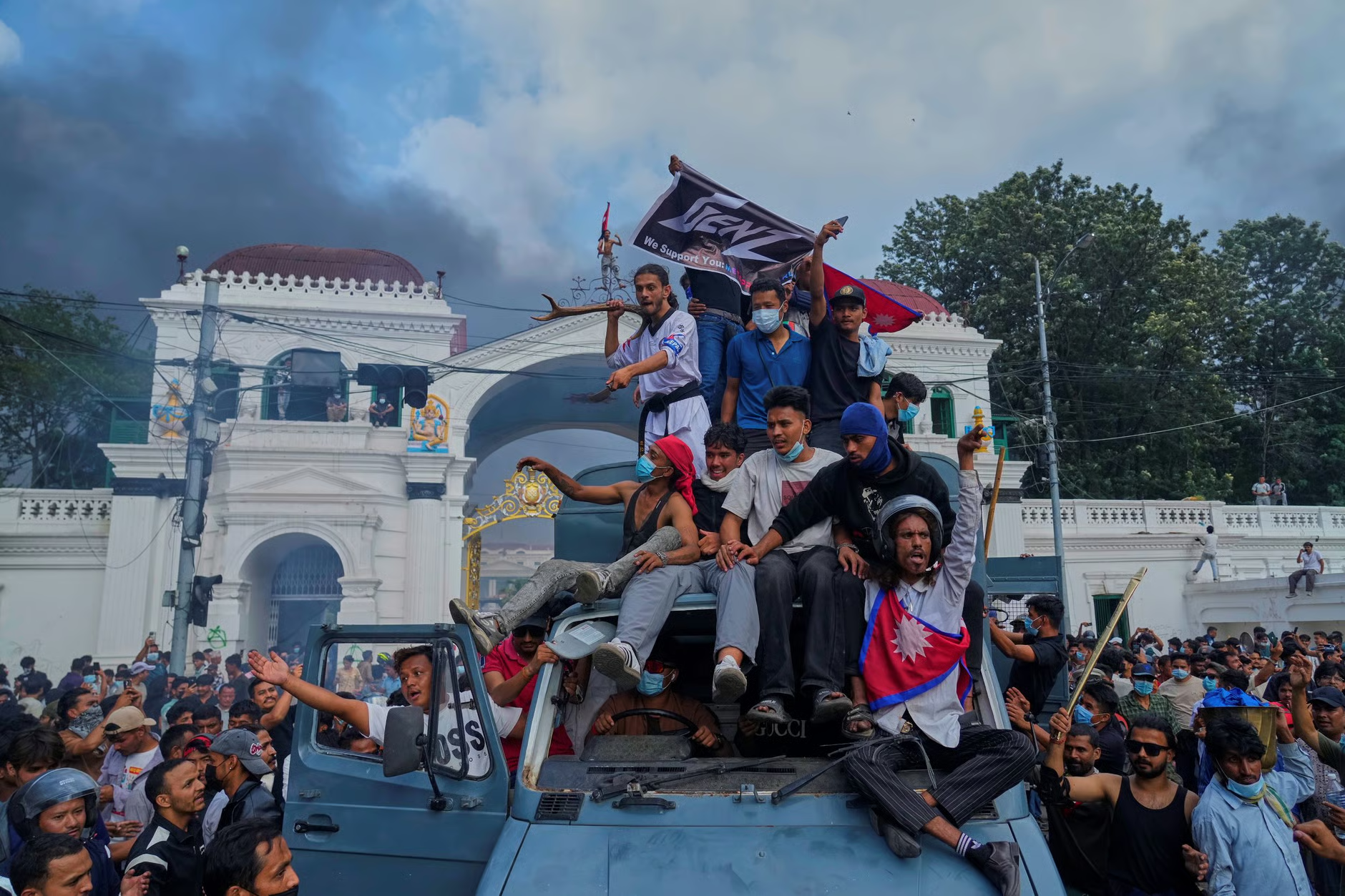
President and Global Reactions
Protesters targeted the home of KP Sharma Oli, setting it ablaze as plumes of smoke rose from parliament. “Torched the main building,” confirmed Ekram Giri, spokesman for the Parliament Secretariat. Oli’s whereabouts remain unclear.
President Ramchandra Paudel, whose offices were also attacked, appealed for calm, urging “all parties to exercise restraint, to not allow further damage.”
India’s Prime Minister Narendra Modi echoed the sentiment, emphasizing that “stability, peace and prosperity of Nepal are of utmost importance to us.” The UN rights chief, Volker Turk, said he was “appalled” by the violence and pressed for dialogue.
Despite such appeals, chaos continued. Media outlets were not spared, with Reporters Without Borders (RSF) reporting that Kantipur Media Group’s headquarters was burning. “Protesters not to target journalists,” the group pleaded.
Flights at Kathmandu’s airport were disrupted as smoke from fires reduced visibility, though the airport remained open.
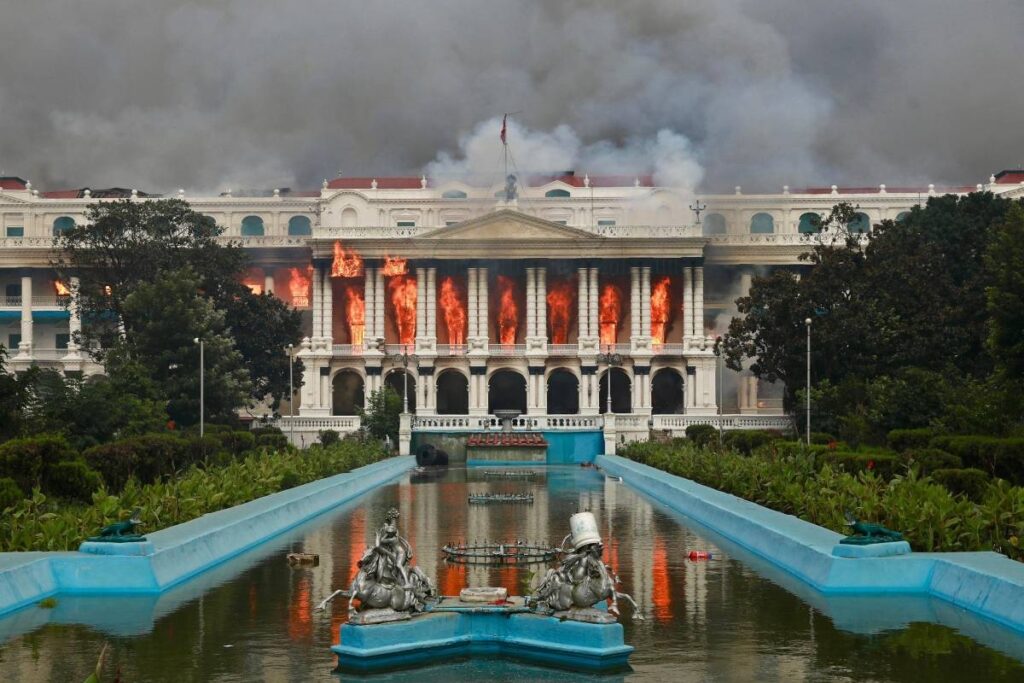
Oli Steps Down
In his resignation letter, Oli wrote that he was stepping aside to enable “steps towards a political solution.” His departure marked the end of a nearly six-decade political career spanning Nepal’s transformation from monarchy to republic.
Experts now warn of a fragile transition. “The protesters, leaders who are trusted by them and the army should come together to pave the way for a caretaker government,” said constitutional lawyer Dipendra Jha.
Ashish Pradhan of the International Crisis Group agreed, calling for a “transitional arrangement” that includes figures trusted by the public, especially the youth.
Kathmandu Mayor Balendra Shah, a popular 35-year-old engineer-turned-rapper, voiced support for the demonstrators. “We had made it clear: this is purely a Gen Z movement,” he said on Facebook. “Your generation must take the lead in running the country. Be ready!”
Nepal’s demographics highlight the movement’s strength: people aged 15–40 make up nearly 43 percent of the population, while unemployment remains high and per capita income low.
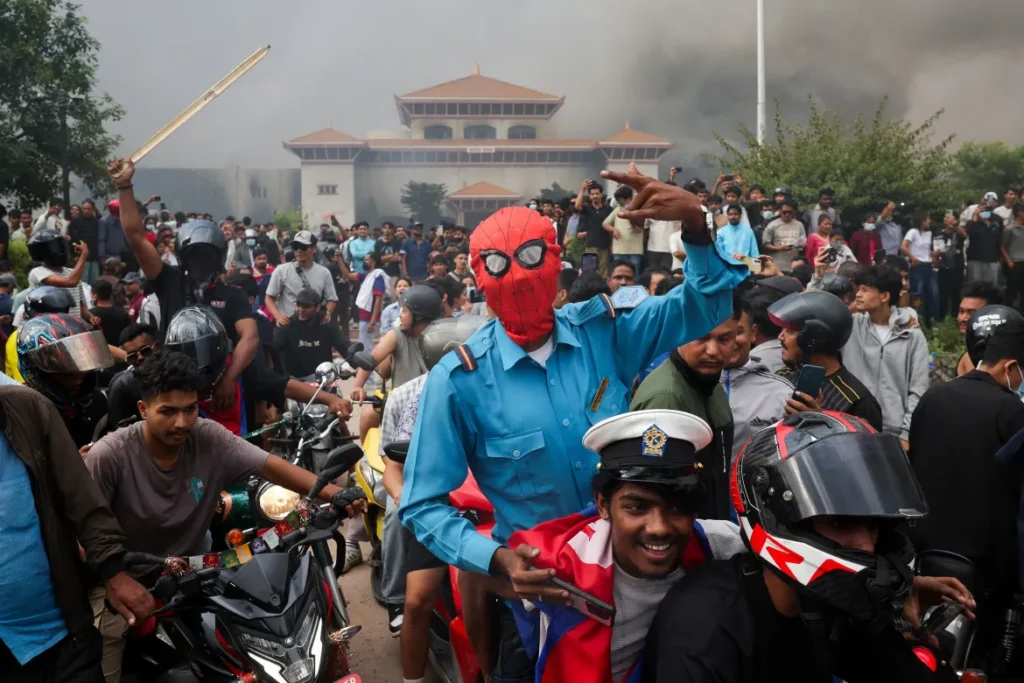
The protest wave gained momentum after the government blocked Facebook, YouTube, and X last week, though TikTok stayed online. Viral videos exposing corruption and inequality stoked public outrage, with one young demonstrator summing it up: “This frustration has been building for over two decades, fuelled by corruption. What you see now is just a spark ignited by social media.”
What you should know
The resignation of Prime Minister Sharma Oli and the burning of Nepal’s parliament mark a historic turning point fueled by a Gen Z-led uprising.
What began as anger over a social media ban has grown into a demand for systemic change, reflecting decades of frustration with corruption and inequality.