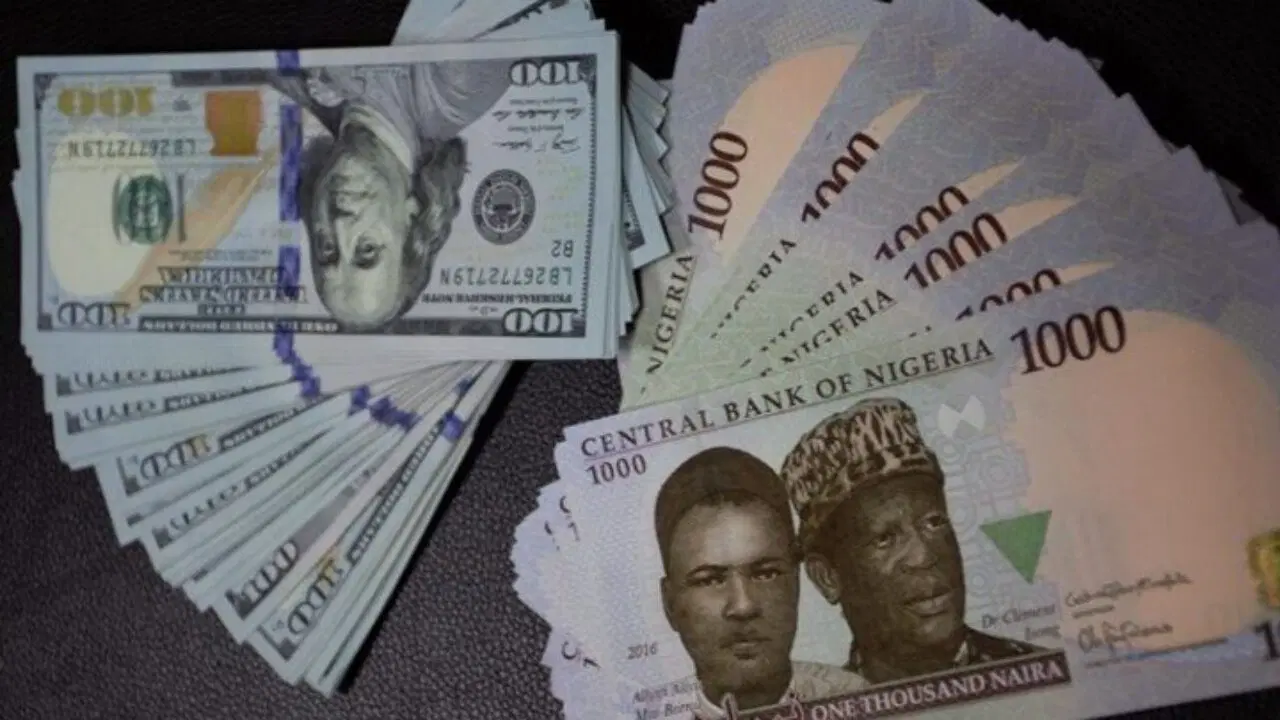
The naira opened the week steady, continuing its recent calm in both the official and parallel markets, as the Central Bank of Nigeria (CBN) kept supplying dollars to narrow the demand-supply gap.
Figures pulled from the CBN’s exchange rate portal placed the official Nigerian Foreign Exchange Market (NFEM) rate at roughly ₦1,362.55 to the dollar, a benchmark derived, according to the apex bank, from the volume-weighted average of transactions executed by authorised dealers during the trading session.
That figure sits comfortably within the ₦1,362–₦1,364 corridor the naira has occupied for much of the past week, a signal, analysts say, that the sharp swings of previous years have given way to a steadier, more managed trading pattern.
Away from the banking halls, the story was similar but pricier. In Lagos and other major currency-trading hubs, black-market operators quoted the dollar at about ₦1,425 on the sell side and ₦1,410 on the buy side, levels traders described as largely unchanged over the past several sessions.
This leaves a spread of roughly ₦62 between the official and street rates, a gap that has narrowed only marginally even as the CBN has stepped up its market interventions.
Reuters’ most recent market coverage backed up the local picture, noting that dealers had penciled in continued stability near ₦1,360 officially and around ₦1,425 informally, with little appetite among traders to bet against the current equilibrium in the short term.
Market watchers attribute the naira’s steadiness to a combination of factors: sustained CBN dollar sales into the official window, improved reserve buffers, and a degree of investor confidence that continued reforms including efforts to deepen transparency around price discovery, are holding.
Still, the persistent ₦60-plus gap between the two markets underscores an uncomfortable reality for ordinary Nigerians: demand for hard currency outside the formal banking system remains elevated, keeping a floor under parallel-market pricing even as the official rate stays anchored.
For importers, travelers, and everyday Nigerians converting dollars, the channel matters as much as the headline number. The NFEM rate applies strictly to transactions routed through banks and other authorised dealers, while cash exchanged through bureaux de change or street operators continues to command a premium, meaning the “real” cost of a dollar depends heavily on where, and how, it’s purchased.
Analysts caution that quoted rates can still drift depending on transaction size, location, and payment method, so individuals are advised to confirm live rates before transacting.
With the CBN signaling no letup in its liquidity support, dealers largely expect the current band to hold into the coming sessions, though attention remains fixed on oil earnings, portfolio inflows, and remittance volumes as the underlying determinants of whether that stability proves durable.
WHAT YOU SHOULD KNOW
The naira remains broadly stable, with the official rate holding near ₦1,362.55/$ and the parallel market at ₦1,425/$ a persistent ₦62 gap sustained by continued CBN dollar interventions.
While the currency isn’t swinging wildly like in past years, the cost of dollars still depends heavily on where you buy them, so anyone exchanging money should confirm the live rate for their specific bank channel, BDC, or street before transacting.