Nigeria’s financial markets were thrown into turmoil Monday as the naira suffered its steepest single-day decline in months, plummeting against the dollar after U.S. President Donald Trump threatened military action over what he termed a “Christian genocide” in Africa’s most populous nation.
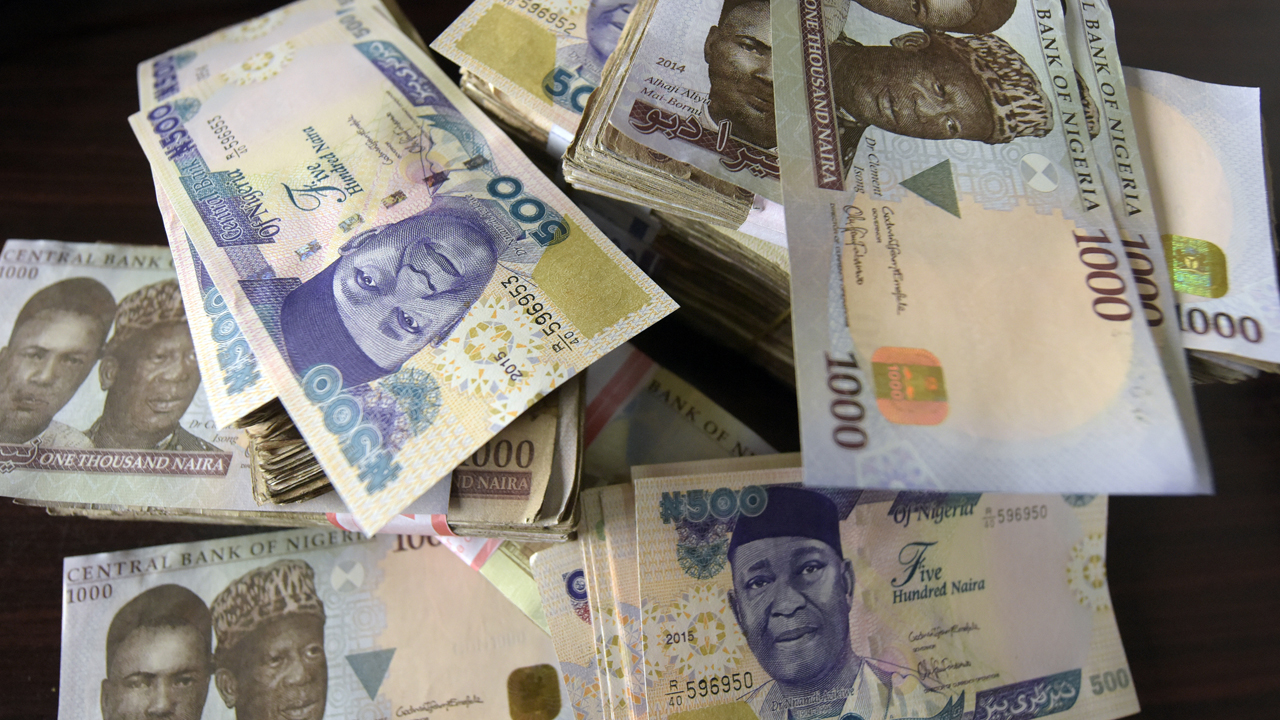
The Nigerian currency, which had been riding high on a remarkable rally that saw it reach a 2025 peak of N1,421.73 to the dollar, crashed to N1,436.34 in official trading—a stark 1.03 percent depreciation representing a loss of N15 in just 24 hours, according to Central Bank of Nigeria data. The parallel market told an even grimmer story, with the naira sliding to N1,455 per dollar as panic gripped currency traders and investors scrambled for safe-haven assets.
Geopolitical Storm Clouds Gather
The currency shock followed an extraordinary weekend escalation in U.S.-Nigeria relations after President Trump designated Nigeria a “Country of Particular Concern” on his Truth Social platform, citing alleged systematic violations of religious freedom and killings of Christians by Islamist militants in the country’s volatile north.
In an unprecedented move that sent shockwaves through diplomatic circles, Trump directed what he called the “Department of War”—apparently referring to the Pentagon—to prepare contingency plans for “possible action” should the Nigerian government fail to address the violence. The American president coupled his military posturing with threats to terminate all U.S. aid to Nigeria, currently valued at approximately $1.2 billion annually.
This dramatic intervention appears to reflect Trump’s broader “America First” agenda, though foreign policy analysts have questioned both the timing and the inflammatory rhetoric deployed by the White House.
Market Carnage Spreads Beyond Currency
The fallout extended far beyond the foreign exchange markets. Nigeria’s dollar-denominated sovereign bonds suffered their worst performance among all emerging market debt instruments Monday, according to Bloomberg analytics. All ten of Nigeria’s eurobond issues ranked among global underperformers, with bonds maturing in 2047 bearing the brunt of the selloff—tumbling 0.6 cents to 88.26 cents on the dollar before recovering slightly in late trading.
The sudden reversal of fortune represents a stunning turnaround for Nigerian assets, which had been among the year’s surprise performers. The naira had surged more than 20 percent against the dollar in October 2025 alone, buoyed by surging external reserves that climbed to $43.19 billion from $33 billion in January, alongside aggressive monetary policy reforms implemented by Central Bank Governor Olayemi Cardoso.
Dollar Strength Compounds Nigerian Woes
Nigeria’s currency troubles are being exacerbated by broader strength in the U.S. dollar, which extended its winning streak to five consecutive sessions Tuesday. The U.S. Dollar Index—which measures the greenback against six major currencies—was trading at 99 during London hours, supported by growing market skepticism about further Federal Reserve interest rate cuts.
Traders have dramatically scaled back expectations for Fed monetary easing, with CME FedWatch data showing just a 65 percent probability of a December rate cut—down sharply from 94 percent a week earlier. Federal Reserve Chair Jerome Powell signaled last week that the central bank’s recent rate reduction might be the final cut of the year, citing uncertainty around economic data collection disrupted by the ongoing government shutdown, now in its sixth week with no resolution in sight.
U.S. manufacturing data released Monday showed the sector contracted for an eighth consecutive month in October, with new orders remaining weak according to the Institute for Supply Management survey—adding to concerns about the American economic outlook even as the dollar maintains its strength.
Political and Economic Crosscurrents
For Nigeria, the timing could hardly be worse. The country has been battling persistent inflation, currently above 30 percent, while trying to rebuild investor confidence following President Bola Tinubu’s removal of fuel subsidies and unification of exchange rates—reforms that initially sent the naira into freefall before the recent stabilization.
The Trump administration’s threats introduce a dangerous new variable into Nigeria’s already complex economic equation. Foreign portfolio investors, who had cautiously been returning to Nigerian assets in recent months, now face not only currency risk but potential geopolitical upheaval.
Market analysts warn that sustained pressure on the naira could force the Central Bank to either draw down its hard-won reserve cushion defending the currency or allow further depreciation that would feed into already punishing inflation rates—either choice carrying significant political risks for the Tinubu administration.
As trading opens Tuesday, all eyes will be on whether Nigeria’s financial authorities intervene to stabilize markets, and whether diplomatic channels can defuse the crisis before further damage is inflicted on Africa’s largest economy.
WHAT YOU SHOULD KNOW
Nigeria’s naira crashed from its 2025 high following President Trump’s unprecedented threat of military action over alleged religious persecution, wiping out months of currency gains in a single day.
Critical Points:
The naira fell 1.03% to N1,436.34/$ officially (N1,455/$ on black market) after Trump designated Nigeria a “Country of Particular Concern” and ordered the Pentagon to prepare for possible intervention.
Nigeria’s dollar bonds became the worst performers globally among emerging markets, signaling deep investor alarm.
The crisis reverses a remarkable 20%+ naira rally in October, erasing progress made through rising reserves ($43.19 billion) and Central Bank reforms.
A strengthening U.S. dollar (amid reduced Fed rate cut expectations) compounds Nigeria’s currency pressures.