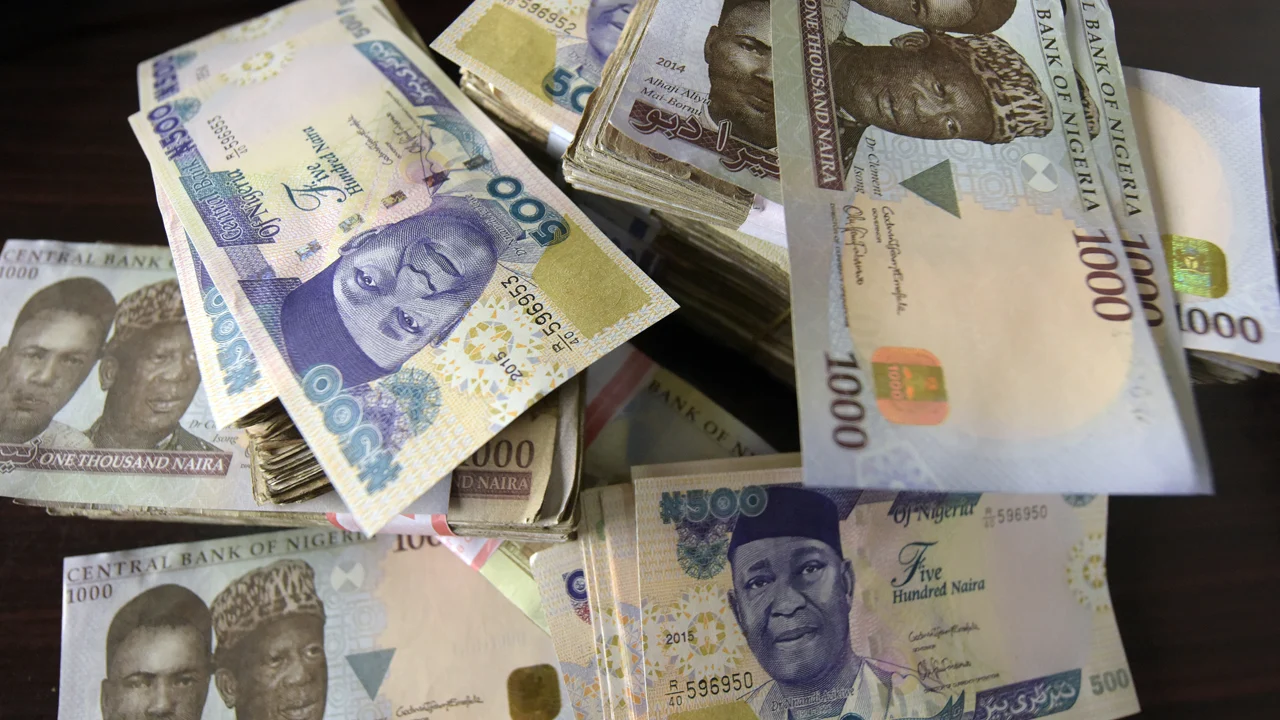
The Nigerian naira extended its gradual recovery on Wednesday, posting a modest appreciation at the official foreign exchange market as improving macroeconomic sentiment and sustained policy reforms continue to bolster confidence in Africa’s largest economy.
According to data from the Central Bank of Nigeria’s website, the local currency closed at N1,359 to the dollar at the official market on Wednesday, marking a steady improvement from N1,367 per dollar on Tuesday and N1,384.50 on Monday. The midweek performance represents the naira’s strongest showing in recent trading sessions and signals growing stability in official market pricing.
The gains come amid what market analysts describe as a confluence of positive factors: sustained foreign reserve levels, disciplined monetary policy tightening by the CBN, and renewed investor confidence following recent credit rating actions that have improved Nigeria’s sovereign outlook.
“What we’re seeing is not just a one-day bounce—it’s a gradual trend that suggests the fundamentals are improving,” said a senior currency trader who requested anonymity. “The combination of stronger reserves, tighter policy, and better investor sentiment is creating a more stable environment for the naira.”
Nigeria’s external reserves stood at $46.59 billion as of February 2, underscoring the CBN’s capacity to intervene in the market and defend the currency when necessary. The reserve buffer has provided crucial support for exchange rate stability, even as global economic headwinds persist.
The parallel market, however, told a slightly different story. The naira depreciated mildly to N1,453.13 per dollar on Wednesday from N1,445 the previous day, reflecting the continued divergence between official and unofficial trading channels. Despite this, the spread between the two markets narrowed to N94, down from N96 a week earlier—a development economists interpret as evidence of gradual convergence and improved dollar liquidity across market segments.
“The narrowing spread is actually encouraging,” explained Dr. Amaka Okonkwo, an economist with a Lagos-based financial advisory firm. “It shows that the reforms are working to bring the markets closer together, which was one of the key objectives of the CBN’s exchange rate unification agenda.”
The midweek performance marks a significant turnaround from last Wednesday, when the currency traded at N1,394 per dollar at the official market amid lingering volatility. This week’s closure at N1,359 represents a gain of N35, or approximately 2.5 percent, signaling what traders describe as a meaningful shift in market dynamics.
The improved exchange rate conditions reflect not only technical factors but also growing confidence in the broader foreign exchange framework. The CBN’s recent policy measures—including tighter controls on speculative trading and enhanced transparency in market operations—appear to be gaining traction with both local and international investors.
Foreign portfolio investors, who had largely stayed on the sidelines during periods of acute currency volatility, have shown renewed interest in Nigerian assets in recent weeks. This return of “hot money” has provided additional support for the naira, as dollar inflows from portfolio investments have supplemented traditional sources such as oil exports and remittances.
However, analysts caution that the recovery remains fragile and subject to external shocks. Global oil prices, which remain a critical determinant of Nigeria’s foreign exchange earnings, continue to fluctuate amid geopolitical tensions and uncertain demand forecasts. Any significant downturn in crude prices could quickly reverse recent gains and put renewed pressure on the naira.
“We’re cautiously optimistic, but this is no time for complacency,” noted Biodun Adeyemi, chief economist at a leading investment bank. “The gains we’ve seen this week are positive, but they need to be sustained over weeks and months before we can declare victory over currency instability.”
The CBN has signaled its commitment to maintaining policy discipline and avoiding the temptation to prematurely ease restrictions that have helped stabilize the market. Governor Yemi Cardoso has repeatedly emphasized that exchange rate stability is a marathon, not a sprint, and that the central bank would remain vigilant against speculative attacks.
For ordinary Nigerians and businesses, the naira’s improved performance offers a glimmer of hope after months of punishing currency depreciation that drove up import costs and fueled inflation. A stronger, more stable naira could ease pressure on consumer prices and provide relief to businesses struggling with higher input costs.
As trading continues through the remainder of the week, market participants will be watching closely to see whether the naira can sustain its momentum or whether profit-taking and renewed demand pressures will test the currency’s newfound resilience.
For now, at least, the data points to a currency and a market that are moving in the right direction—slowly, but steadily.
WHAT YOU SHOULD KNOW
The naira strengthened to N1,359 per dollar at Nigeria’s official market on Wednesday—its best performance in recent weeks—driven by rising foreign reserves ($46.59 billion), tighter monetary policy, and improving investor confidence. While the parallel market saw mild weakness, the narrowing gap between official and unofficial rates (down to N94) signals better dollar liquidity and progress in exchange rate reforms.
However, analysts warn that the recovery remains fragile and dependent on sustained policy discipline and stable oil prices. The modest but consistent gains offer cautious optimism that Nigeria’s currency volatility may finally be easing.