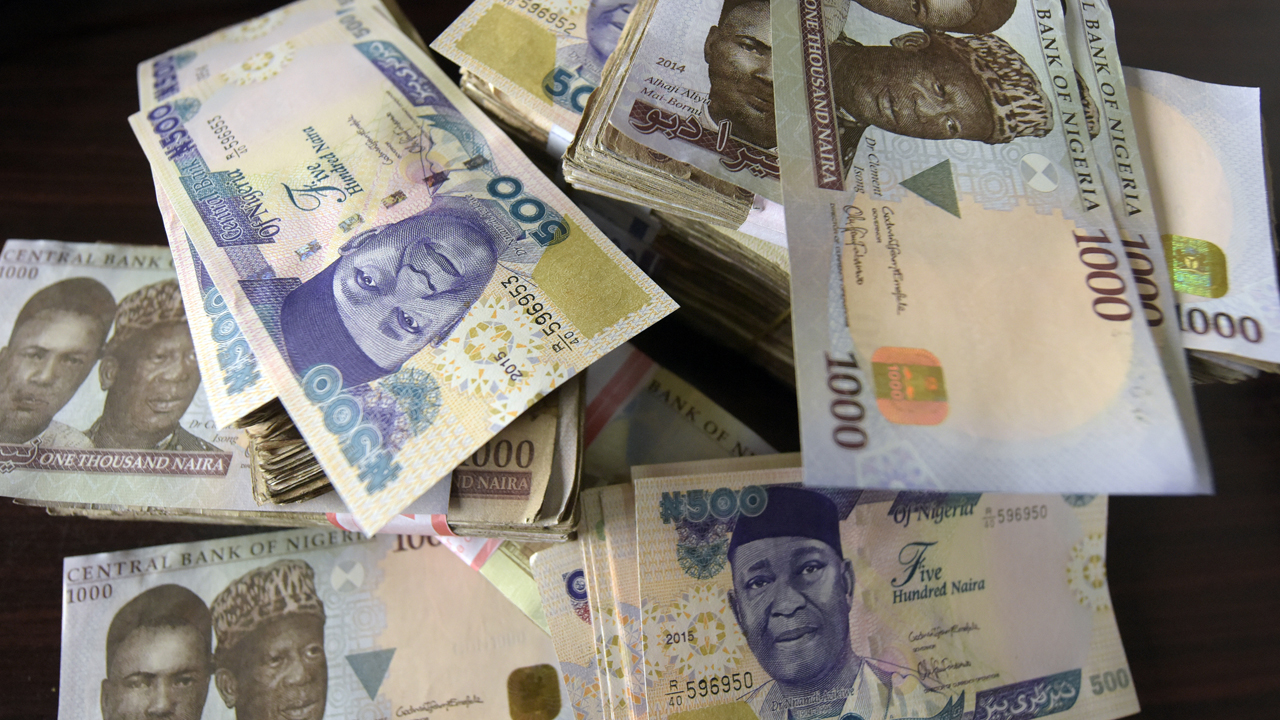
The Nigerian naira has surrendered much of its July gains against the US dollar, with the local currency falling to N1,560 per dollar at the parallel market on Friday, August 15, 2025, compared to N1,540 recorded at the end of July. This represents a 1.3% decline over two weeks, signaling renewed pressure on Africa’s most populous nation’s currency.
The depreciation marks a sharp reversal from the naira’s strong performance in July, when it rallied from N1,580 to around N1,530 per dollar at some point during the month. That rally had been attributed to improved forex supply, effective Central Bank of Nigeria (CBN) policy implementation, and enhanced investor confidence.
However, currency traders are now pointing to several structural challenges that have reignited volatility in the foreign exchange market. Chief among these is the surge in demand driven by government contractor payments, which has created significant pressure on available dollar supply.
“Payments to contractors increase demand and add pressure on the naira, since most quickly convert proceeds into dollars,” explained a senior official from the Association of Bureau De Change Operators of Nigeria (ABCON), who requested anonymity. The official noted that while distortions have emerged, “relative stabilization is returning,” and the situation remains “under control.”
Diaspora Remittance Diversions Compound Challenges
A particularly concerning development highlighted by market operators is the diversion of diaspora remittances away from official channels. Traders report that significant volumes of foreign currency that should enter Nigeria’s formal banking system are instead being traded through informal networks, including WhatsApp-based transactions.
“Even on WhatsApp now, people are trading. You don’t need to bring the dollar into the country. You just give the person the naira here, and he gives you the dollar over there,” the ABCON official explained. “This is diversion, and it’s done in volumes.”
This phenomenon has effectively reduced the supply of foreign currency available in the domestic market while maintaining high demand levels, creating additional pressure on exchange rates.
Official Market Shows Resilience
Interestingly, the naira has demonstrated more stability in the official market, closing at N1,532.51 per dollar on August 15, compared to N1,533.55 at the end of July—a marginal improvement that has widened the gap between official and parallel market rates to nearly N30 per dollar.
The official market’s intraday trading on Friday revealed the volatile nature of current conditions, with the naira reaching a high of N1,535 before falling to N1,529.75, suggesting active but erratic trading patterns.
Inflation and Speculation Fuel Volatility
Market analysts point to Nigeria’s near-30% inflation rate as another critical factor undermining currency stability. The high inflation environment has eroded confidence in the naira as a store of value, prompting many Nigerians to immediately convert earnings to dollars.
“People don’t use the naira as a store of value anymore. Once they get paid, they convert to dollars,” noted the ABCON official, describing a market driven increasingly by speculation rather than genuine trade needs.
CBN Reserves Provide Some Comfort
Despite current challenges, some positive indicators are supporting medium-term stability. Nigeria’s foreign reserves have improved to over $39 billion, providing the CBN with enhanced capacity to intervene in the market when necessary.
Another bureau de change operator, Aminu Ardo, expressed cautious optimism, attributing recent stability in the official market to CBN dollar releases and reduced panic buying following new regulatory directives. He noted that some foreign portfolio investment has returned as investors “test the ground again.”
Outlook Remains Uncertain
However, traders warn that current stability may prove fragile without sustained improvement in forex supply. The combination of structural demand pressures, informal market diversions, and speculative activity continues to pose significant challenges to the CBN’s efforts to maintain exchange rate stability.
The naira’s recent performance underscores the complex challenges facing Nigeria’s monetary authorities as they attempt to balance multiple competing pressures while rebuilding confidence in the foreign exchange system. With crude oil prices remaining a key variable and inflation continuing to erode purchasing power, the path to sustained currency stability appears fraught with obstacles.
As one trader cautioned, “Once demand picks up, the naira may struggle again,” highlighting the precarious nature of current market conditions despite recent policy interventions.
WHAT YOU SHOULD KNOW
The Nigerian naira has reversed its July gains, falling 1.3% in two weeks to N1,560/$1 at the parallel market despite stronger official rates. The main culprits are government contractor payments driving up dollar demand, massive diversion of diaspora remittances through informal WhatsApp trading networks, and Nigeria’s 30% inflation rate, pushing citizens to abandon the naira as a store of value.
While CBN reserves have improved to $39 billion, the currency remains vulnerable to renewed pressure unless forex supply increases and informal market diversions are addressed. The widening gap between official (N1,532) and parallel market rates signals persistent structural problems in Nigeria’s foreign exchange system.