The Nigerian naira maintained its upward trajectory against the US dollar on Thursday, August 14, marking another day of marginal but consistent appreciation in the official foreign exchange market, according to fresh data released by the Central Bank of Nigeria (CBN).
Official figures published on the CBN’s website revealed the local currency strengthened to ₦1,534.52 per dollar at the close of trading, representing an improvement from Wednesday’s rate of ₦1,534.83. While the 0.3% daily gain appears modest, it continues a pattern of steady appreciation that has characterized the naira’s performance in recent trading sessions.
The parallel market, commonly known as the black market, told a different story, with the naira holding steady at ₦1,565 per dollar—unchanged from the previous day’s trading rate. This stability in the unofficial market suggests a degree of convergence between formal and informal exchange channels, though a premium of approximately ₦30 per dollar persists in favor of black market rates.
The currency’s recent performance builds on gains recorded earlier in the week across both official and parallel markets, indicating what analysts might interpret as growing confidence in Nigeria’s monetary policy framework or improved dollar liquidity in the system.
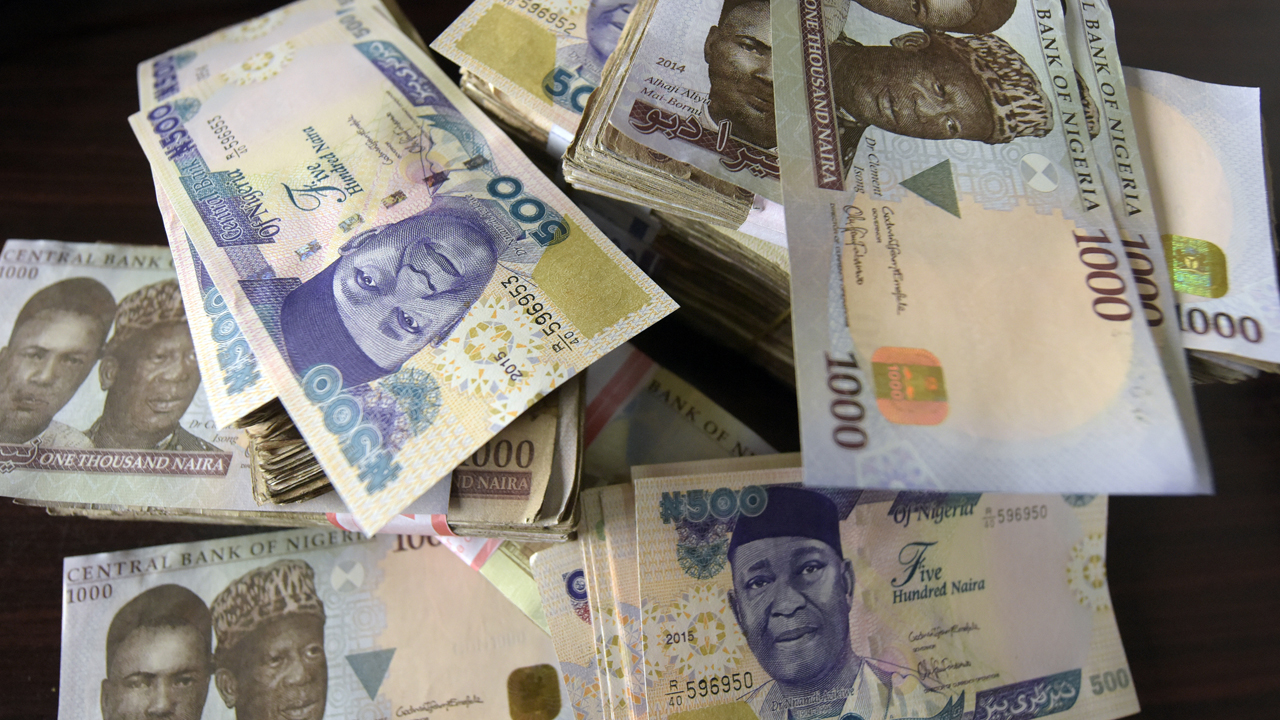
In a related development that underscores the CBN’s commitment to currency integrity, the bank’s spokesperson, Hakama Sidi Ali, issued a fresh advisory to Nigerian citizens regarding proper handling of the national currency. The statement specifically cautioned against spraying, hawking, mutilating, or counterfeiting the naira—practices that have historically undermined the currency’s durability and official circulation.
The timing of this advisory alongside the naira’s appreciation suggests a coordinated effort by monetary authorities to strengthen both the value and physical integrity of Nigeria’s legal tender. Currency abuse, particularly the practice of spraying naira notes at social events, has long been a concern for the CBN due to its impact on note quality and circulation efficiency.
Market observers will be watching closely to see whether this modest appreciation trend can be sustained amid ongoing global economic uncertainties and domestic fiscal pressures. The relatively narrow spread between official and parallel market rates may signal improved foreign exchange supply or enhanced regulatory oversight of currency trading.
As Nigeria continues to navigate complex economic challenges, including inflation pressures and foreign exchange scarcity, these incremental gains in the naira’s value represent a positive development for policymakers seeking to restore confidence in the nation’s monetary system.
WHAT YOU SHOULD KNOW
The Nigerian naira is showing signs of stability and modest strength, gaining 0.3% against the dollar in official trading while holding steady in black markets. Most importantly, the gap between official (₦1,534.52) and black market (₦1,565) rates has narrowed to just ₦30—suggesting improved foreign exchange supply and better market confidence.
This convergence, combined with the Central Bank’s renewed focus on currency integrity, indicates Nigeria’s monetary authorities are making progress in stabilizing the exchange rate system after months of volatility.