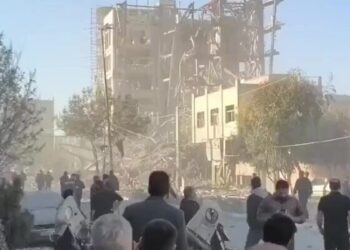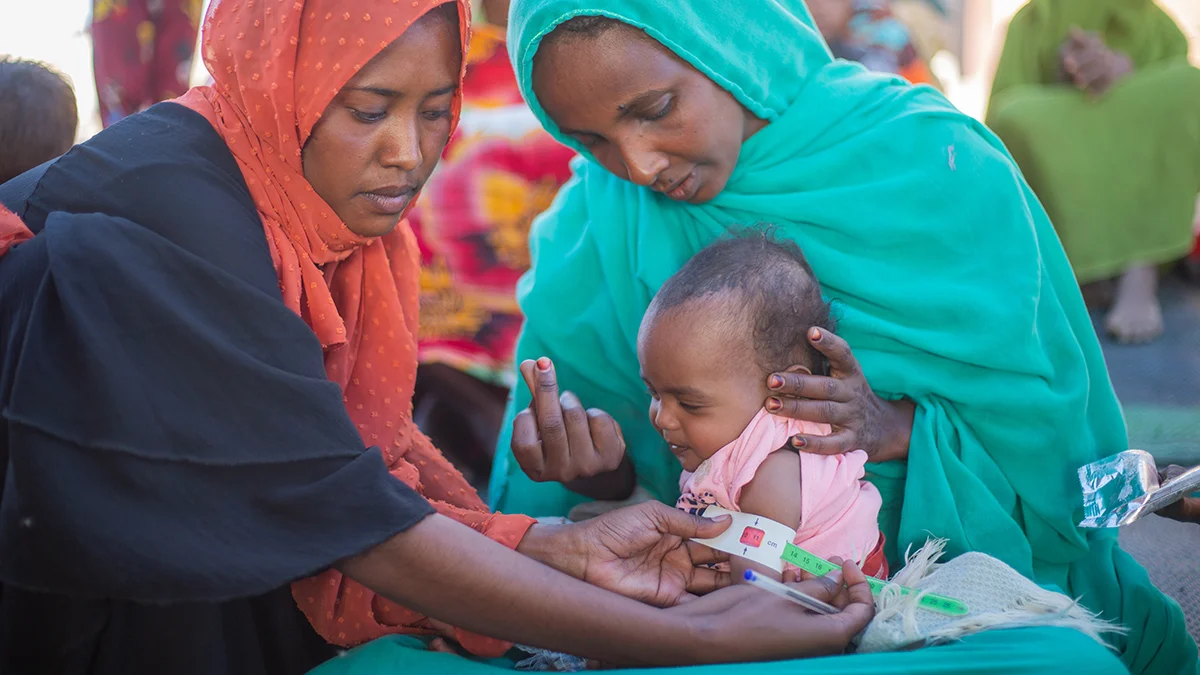
In Sudan’s embattled city of El-Fasher, at least 63 people, most of them women and children, died from malnutrition within a single week, according to a senior North Darfur health official.
The figure only accounts for those who reached hospitals, with many more believed to have died and been buried privately due to insecurity and lack of transport.
El-Fasher, the last major urban centre in Darfur under Sudanese army control, has been under siege by the Rapid Support Forces (RSF) since May 2023. Renewed RSF assaults, including an April offensive on the nearby Zamzam displacement camp, have forced tens of thousands to seek shelter in the city. Food shortages have reached critical levels, with community kitchens scaling back from two daily meals to one, and portions shrinking so much that a plate once shared by three people is now split among seven.
Health workers report that children and women show severe signs of malnutrition, such as swollen bellies and sunken eyes. UN data indicates that nearly 40% of children under five in El-Fasher are acutely malnourished, with 11% suffering from severe acute malnutrition. While famine was declared in nearby camps last year, limited data has prevented an official declaration for the city itself, though aid agencies warn the crisis is already catastrophic.
The World Food Programme says thousands are “at risk of starvation,” but humanitarian access is blocked by violence and the rainy season, which has rendered many roads impassable. A UN convoy attack in June killed five aid workers, further disrupting relief efforts.
What you should know
Sudan’s war, now in its third year, has caused tens of thousands of deaths, displaced millions, and triggered what the UN calls the world’s largest displacement and hunger crisis.
Across the country, nearly 25 million people face severe food insecurity. UNICEF warns of “irreversible damage to an entire generation of children” if the situation continues to deteriorate.