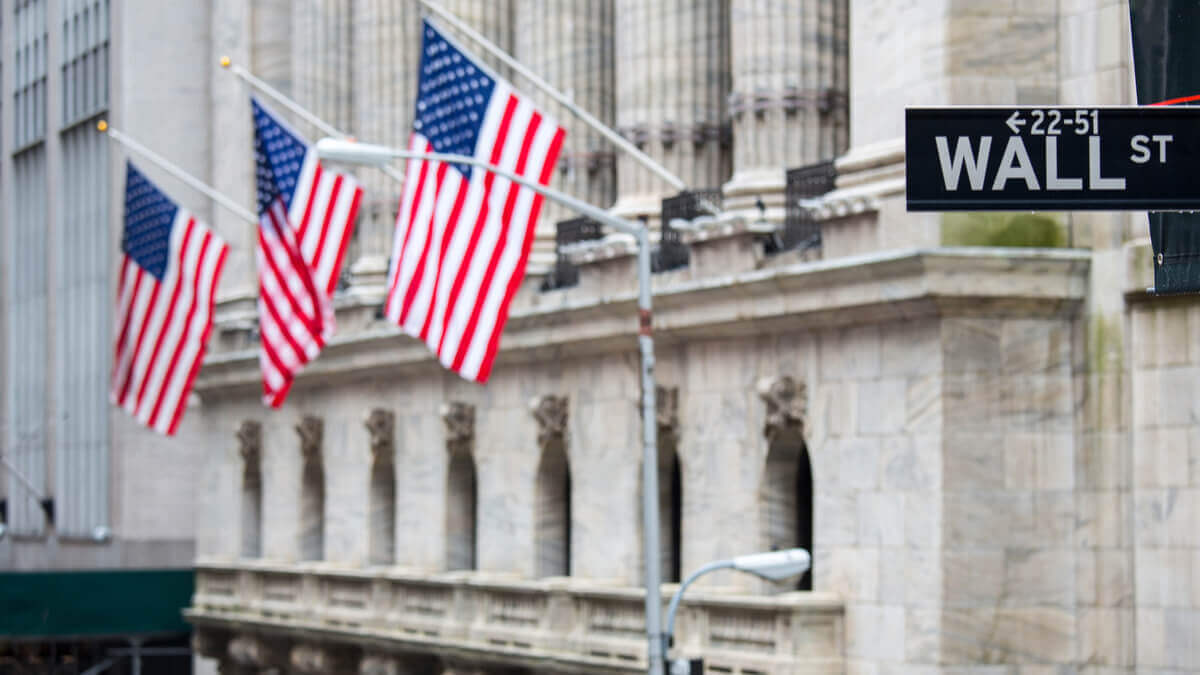
Wall Street’s biggest financial institutions emerged victorious from the Federal Reserve’s annual stress test, with results showing that large banks are well-positioned to weather a severe recession, according to results released Friday.
The clean sweep of the 22 largest U.S. banks has set the stage for billions of dollars in stock buybacks and dividend payments to shareholders.
The stress test results, which simulate how banks would fare during a severe economic downturn, demonstrated that these financial giants maintained robust capital levels even after absorbing hypothetical losses in the hundreds of billions.
This resilience signals that America’s banking sector remains fundamentally sound despite ongoing economic uncertainties that have rattled markets in recent months.
Market Response Reflects Investor Confidence
Investors responded enthusiastically to the news, with bank stocks surging in premarket trading Monday morning. Bank of America shares climbed 1.1%, while JPMorgan Chase, Citigroup, and Wells Fargo posted gains ranging from 0.5% to 2%. Investment banking powerhouses weren’t left behind, with Goldman Sachs jumping 2.5% and Morgan Stanley rising 0.4%.
The positive market reaction underscores the significance of these results for the broader banking sector. The S&P 500 Banks Index has already outperformed the broader market this year, gaining approximately 12% compared to the benchmark S&P 500’s 5% rise through the previous close.
A Less Stringent Test Yields Better Results
Notably, banks performed better in this year’s examination compared to 2024, partly due to what analysts described as a less stringent testing environment. The Federal Reserve’s hypothetical scenario, while still severe, was somewhat less punishing than previous years because the real economy had already shown signs of weakness before the test was conducted.
The 2025 stress test scenario painted a grim picture: a severe global recession featuring a 30% decline in commercial real estate prices, a 33% drop in home values, and unemployment spiking 5.9 percentage points to reach 10%. Despite these harsh conditions, all participating banks demonstrated they could continue lending to households and businesses while maintaining capital levels above regulatory minimums.
Green Light for Capital Returns
Perhaps most importantly for shareholders, the successful stress test results give banks the regulatory green light to proceed with their capital return plans. RBC Capital Markets analysts noted that the results “lend support to our view that they remain well positioned to return capital should they so choose.”
However, the final details won’t be settled immediately. As Jefferies analysts pointed out, stress capital buffers won’t be finalized until August, potentially giving banks additional room to adjust their dividend increase plans.
Regulatory Background and Industry Pushback
The annual stress testing regime, implemented in 2011 as part of the Dodd-Frank financial reforms, was designed to prevent a repeat of the 2008 financial crisis. The tests gauge whether the nation’s largest banks could weather a sharp economic downturn while continuing to serve their critical role in the economy.
Despite their strong performance, banks have consistently criticized the stress testing process, arguing that it’s overly complex, expensive to conduct, and unnecessarily restricts capital returns even when institutions are financially robust.
The Federal Reserve has acknowledged some of these concerns and has announced plans to reduce the volatility of stress test results and improve model transparency. Earlier this year, the central bank proposed averaging results over two years to provide more stability in capital requirements.
Looking Ahead
The successful stress test results provide a vote of confidence for the U.S. banking sector at a time when economic uncertainty remains elevated. With banks now cleared to return substantial capital to shareholders through dividends and buybacks, investors are likely to see increased returns in the coming months.
The results also demonstrate that more than a decade after the 2008 financial crisis, America’s largest banks have built substantial capital buffers that should help them weather future economic storms while continuing to serve consumers and businesses. As the Federal Reserve continues to refine its stress testing approach, these annual health checks remain a critical tool for ensuring the stability of the nation’s financial system.
WHAT YOU SHOULD KNOW
The Federal Reserve’s 2025 stress test delivered a clean sweep—all 22 major U.S. banks passed, proving they can survive a severe recession while continuing to lend. This regulatory approval immediately triggered stock gains across the banking sector and, most importantly, gave banks the green light to return billions to shareholders through dividends and stock buybacks.