French President Emmanuel Macron on Thursday cautioned that the rapid expansion of Israeli settlements posed a grave threat to the creation of a Palestinian state and could derail ongoing US-led peace initiatives.
His remarks came as France hosted a high-level meeting of Arab and European ministers aimed at strengthening support for Palestinians following the announcement of a Gaza ceasefire agreement.
Macron welcomed the ceasefire deal as a “great hope” for the Middle East, but voiced deep concern over what he called the “acceleration” of settlement construction in the occupied West Bank, describing it as an “existential threat” to Palestinian statehood.
He stressed that such actions were “not only unacceptable and contrary to international law” but also “fuel tensions, violence, and instability.” Speaking at the opening of the Paris conference, Macron warned that the settlement policy “fundamentally contradicts the American plan and our collective ambition for a peaceful region.”
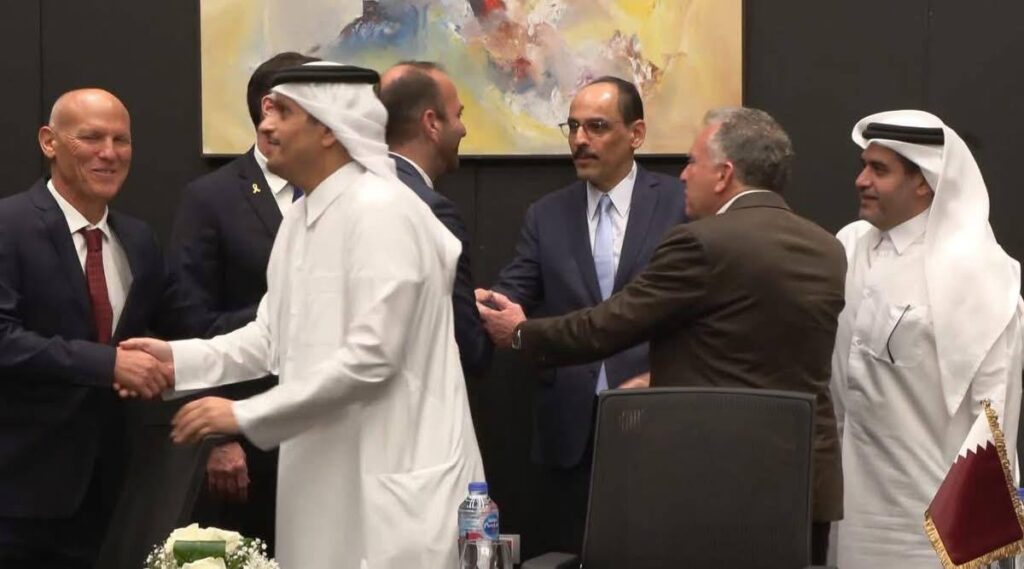
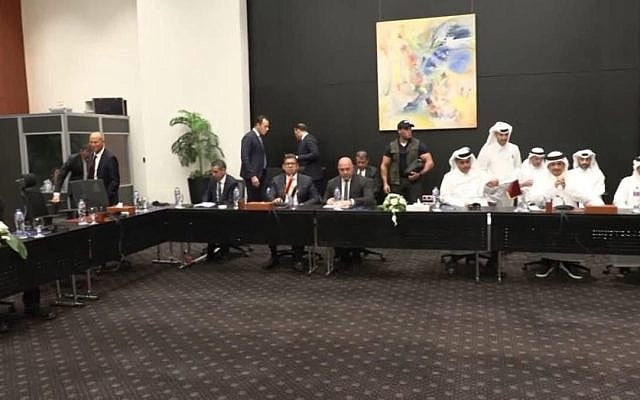
Earlier in the day, Israel and Hamas reached an agreement on a Gaza ceasefire aimed at securing the release of all remaining Israeli hostages held by the Palestinian militant group. The accord, brokered through indirect negotiations in Egypt’s Sharm el-Sheikh resort, is viewed as a major step toward ending a devastating conflict that has claimed tens of thousands of lives and left Gaza in ruins.
The truce comes nearly two years after the October 7, 2023, Hamas attack on Israel, which ignited a prolonged and brutal military response. While European nations have broadly supported US President Donald Trump’s ceasefire initiative, disagreements persist between Washington and several European capitals over whether it is the right time to formally recognise a Palestinian state.
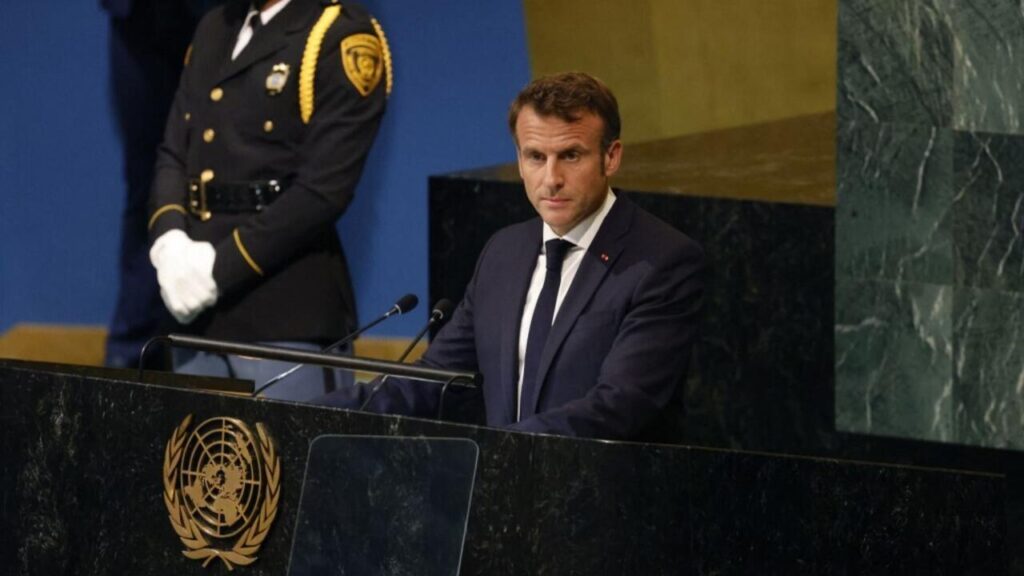
In a speech to the United Nations on September 22, Macron announced France’s official recognition of a Palestinian state, following similar moves by Canada, Portugal, and the United Kingdom a decision that deepened diplomatic tensions with Israel.
The Paris gathering brought together foreign ministers from key Arab nations, Egypt, Jordan, Saudi Arabia, Qatar, and the United Arab Emirates, alongside their European counterparts from France, Italy, Germany, Spain, and the United Kingdom. Representatives from Turkey and the European Union also attended the discussions.
French Foreign Minister Jean-Noel Barrot told attendees that “a ceasefire is not yet a lasting peace,” describing it instead as “the first step on a long road to a political solution that will guarantee Israel’s security while recognising the legitimate rights of the Palestinians to a state.”
France hopes that linking its recognition of Palestinian statehood with talks on “the day after” the war could help revive the long-stalled two-state solution, which Paris continues to view as the only viable path to lasting peace in the region.
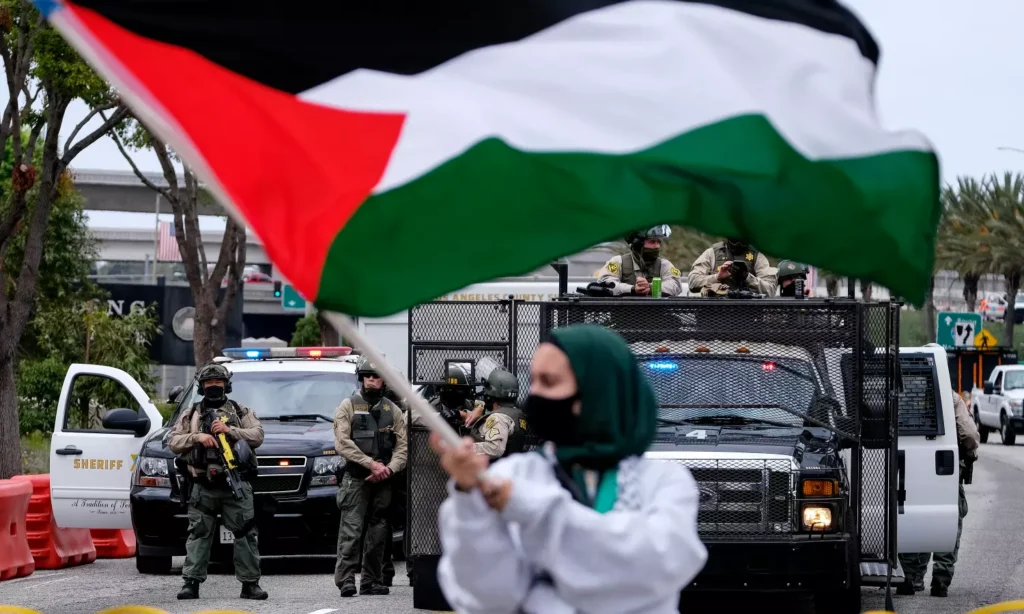
The ministers also discussed the potential role of an International Stabilisation Force, an element proposed in Trump’s broader peace plan, and explored ways to strengthen the Palestinian Authority’s governance in the occupied West Bank.
However, even before the ceasefire was formally announced, the Paris meeting had drawn sharp criticism from Israel, further straining French-Israeli relations. Israeli Foreign Minister Gideon Saar denounced the gathering in a post on X, calling it an “unnecessary and harmful” meeting “concocted behind Israel’s back” during a sensitive stage of negotiations in Sharm el-Sheikh.
What you should know
French President Emmanuel Macron has warned that Israeli settlement expansion undermines peace efforts and the viability of a Palestinian state.
As global diplomats met in Paris to plan post-ceasefire strategies, France reaffirmed its recognition of Palestine and commitment to pursuing a two-state solution for lasting peace.