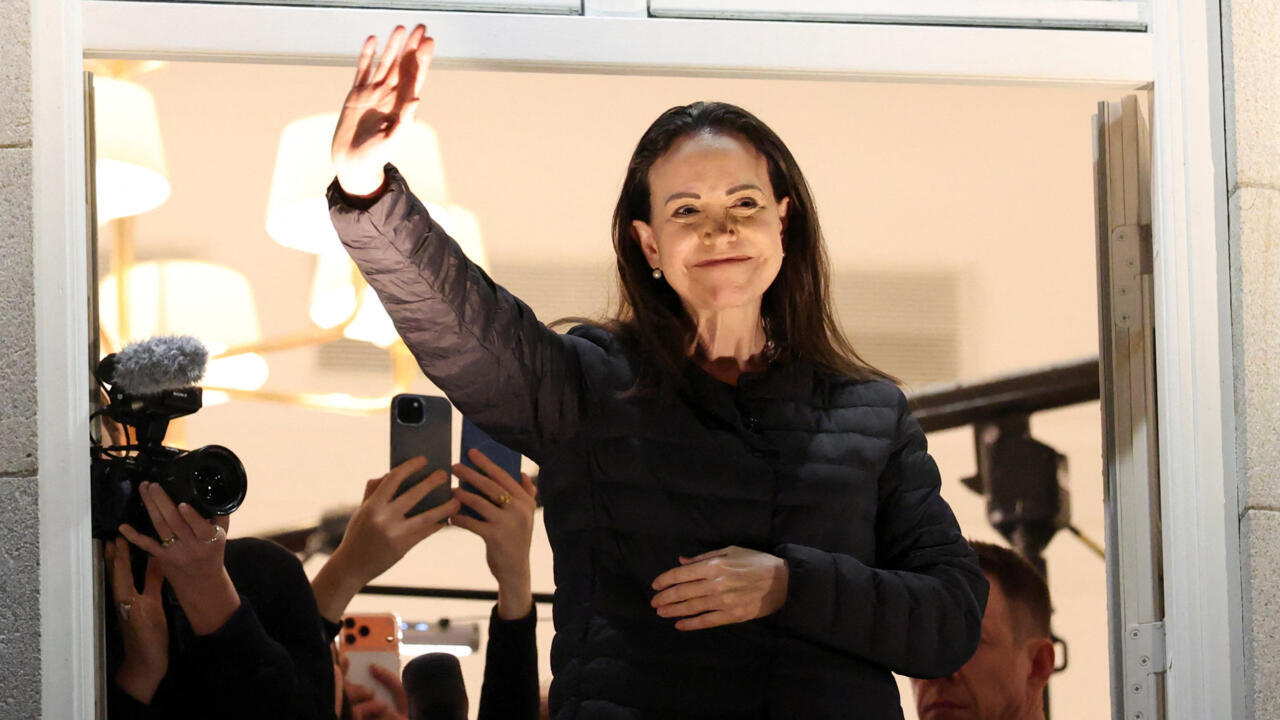
Venezuelan opposition figure Maria Corina Machado resurfaced publicly in Oslo on Thursday after spending nearly a year in hiding, greeting supporters in an emotional moment that followed her win of the Nobel Peace Prize.
Her unexpected appearance raised questions about how she managed to leave Venezuela and whether she will safely return, as authorities have warned that she would be considered a fugitive if she left the country.
Speaking to the BBC, she insisted that she would go back, saying she understood the dangers involved and emphasizing that she intends to be wherever she can best serve “our cause.” She explained that, until recently, she believed her work required her to remain in Venezuela, but now felt that Oslo was where she needed to be.
The Nobel Institute confirmed that Machado made every effort to attend the award ceremony on time, describing her journey as one of “extreme danger.” Despite arriving too late to personally receive the prize, her daughter accepted it on her behalf and used the moment to deliver a powerful condemnation of what she called “state terrorism” under President Nicolas Maduro.
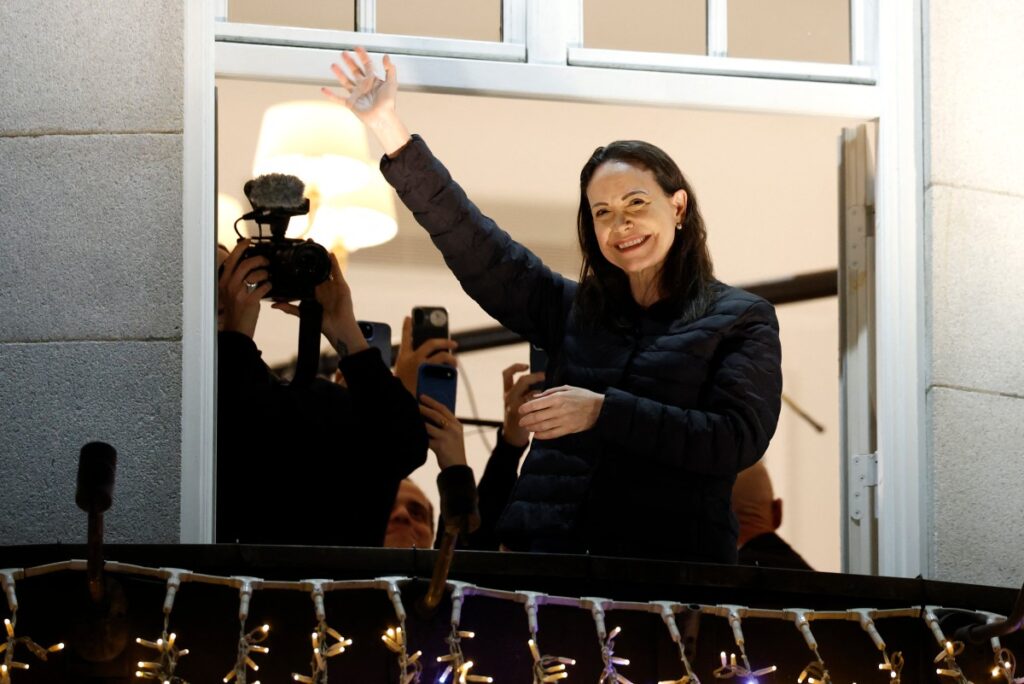
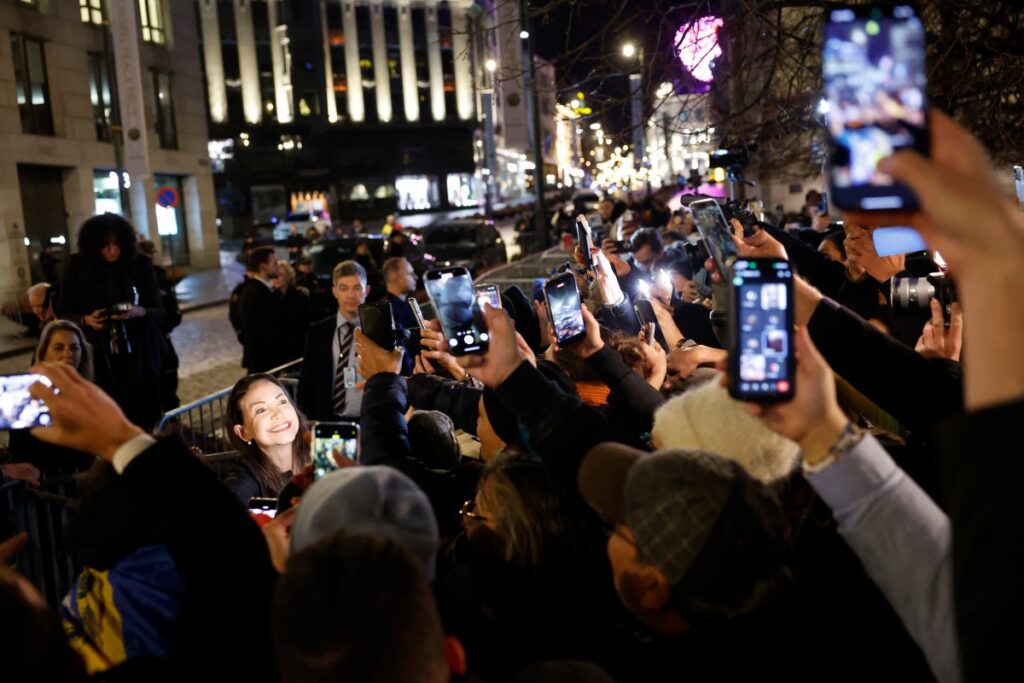
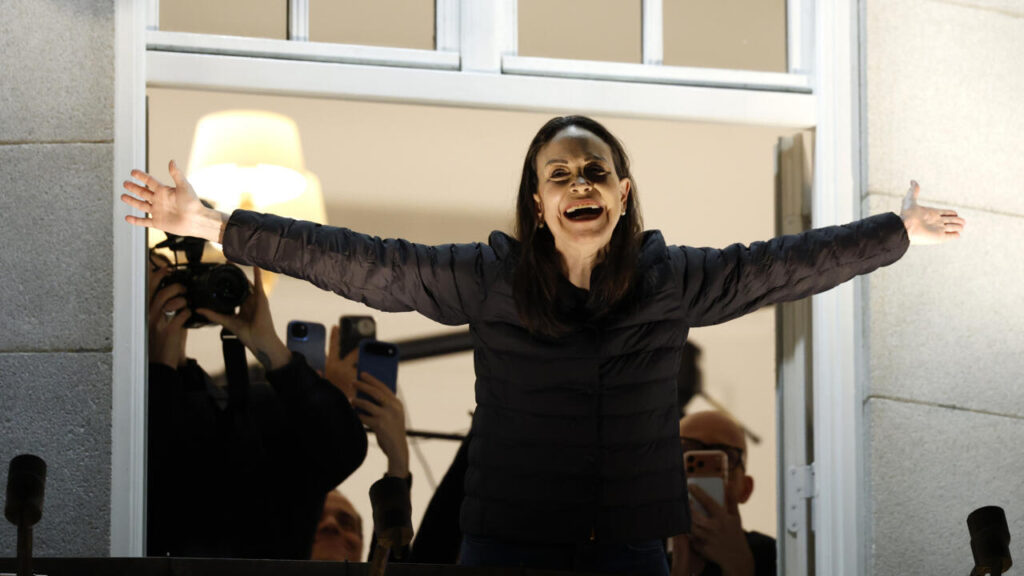
Late in the night, Machado stepped onto a balcony of the Grand Hotel, waving, blowing kisses and sharing rare moments with the supporters gathered below. It marked her first public appearance since January, and the atmosphere erupted with cheers of “libertad” as she bridged the metal barriers to reach those waiting for her. Many embraced her, offering rosaries and emotional support that reflected her long absence.
She noted in her BBC interview that hiding forced her to miss major milestones in her family, including weddings and graduations, making the reunion particularly overwhelming after more than sixteen months without physical contact.
Machado is scheduled to address the global press at 0915 GMT on Thursday, a moment likely to draw significant political attention. The Nobel Institute recognized her for “her struggle to achieve a just and peaceful transition from dictatorship to democracy,” a mission she reaffirmed through her daughter’s speech. She urged Venezuelans to remain committed to breaking Maduro’s hold on power, stating that the country’s experience has taught the world that democracy requires persistent sacrifice.
Machado has consistently claimed that Maduro stole the July 2024 election after banning her from participating, a position backed by many international observers. The opposition maintains that its candidate, Edmundo Gonzalez Urrutia, won the election; he now lives in exile and was also in Oslo.
Since the election, Machado has remained largely out of sight, last appearing publicly during a January protest in Caracas opposing Maduro’s third-term inauguration. Her decision to leave the country for the Nobel ceremony now introduces both personal danger and political uncertainty.
Analysts warn that she could be arrested upon returning, despite authorities previously showing restraint due to her symbolic significance. At the same time, remaining outside Venezuela for too long could diminish her influence, which has grown precisely because she stayed among Venezuelans despite threats. Experts note that though Machado is widely seen as the undisputed opposition leader, prolonged absence might change the dynamics of her political relevance.
Her mother and daughters attended the award ceremony in Oslo, joined by several Latin American leaders including Argentina’s President Javier Milei. In her acceptance speech, delivered by her daughter, Machado condemned what she called kidnappings and torture under Maduro’s rule, describing the acts as “crimes against humanity” and further characterizing them as “state terrorism.”
While she has been widely praised for her push for democratic reforms, some critics have challenged her alignment with US President Donald Trump, to whom she dedicated her Nobel Prize. Her appearance comes at a time when the United States has significantly increased military activity in the Caribbean, carrying out deadly operations it describes as targeting drug-smuggling vessels.
Maduro insists that the true objective of these US maneuvers, which Machado has said are justified, is to overthrow his government and take control of Venezuela’s extensive oil resources.
What you should know
Maria Corina Machado’s reappearance in Oslo marks a pivotal moment for Venezuela’s opposition movement.
Awarded the Nobel Peace Prize for her campaign for democracy, she resurfaced after months in hiding, signaling both renewed global attention and heightened political risk. Her decision to travel despite government threats underscores her determination to confront President Maduro’s administration, which she accuses of “crimes against humanity” and “state terrorism.”
While her presence energizes supporters, it also poses questions about her safety and long-term influence as she continues fighting allegations of electoral fraud and advocates for a democratic transition.