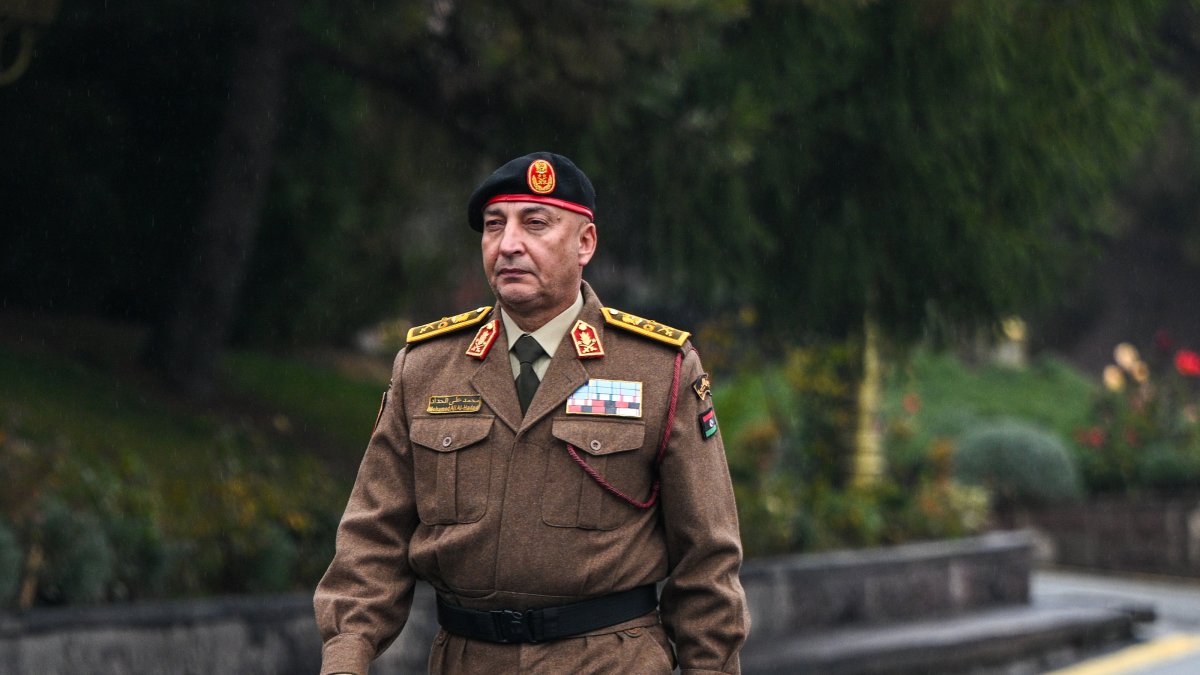
The head of Libya’s armed forces, Lieutenant General Mohammed al-Haddad, and four other senior military officials died late Tuesday after their business jet crashed shortly after departing from Ankara, according to officials in Turkey and Libya.
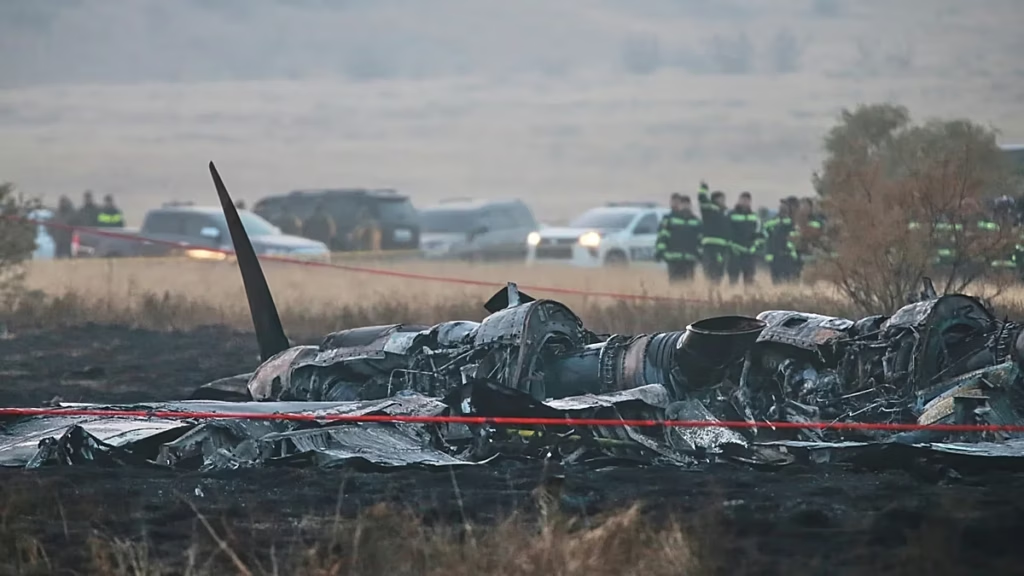
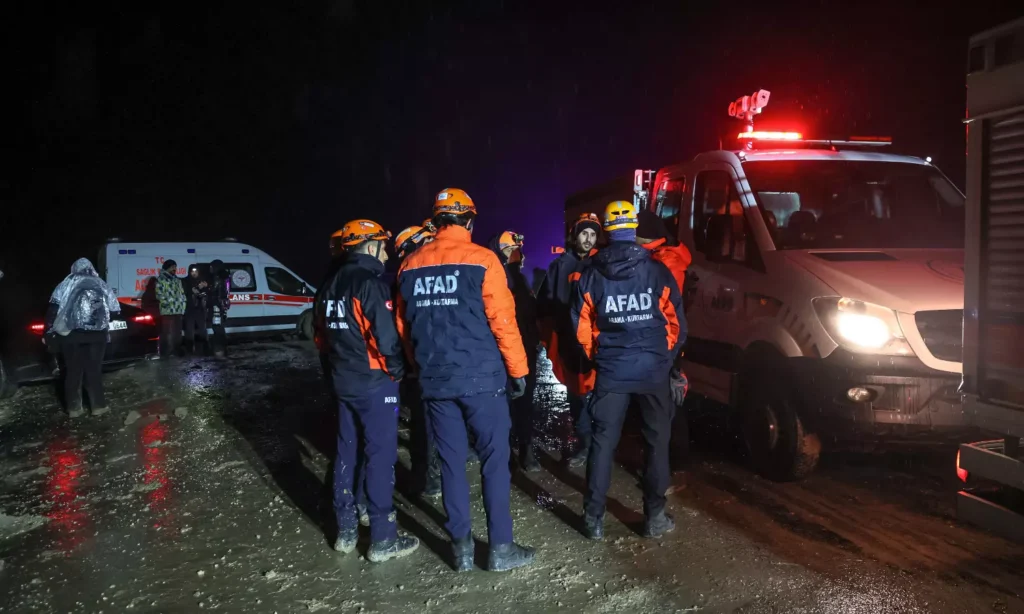
Turkish Interior Minister Ali Yerlikaya said the wreckage of the Falcon 50 aircraft was discovered by security personnel in the Haymana district near Ankara. Three crew members on board the jet were also confirmed dead, bringing the total fatalities to eight.
Libyan Prime Minister Abdulhamid Dbeibah announced the death on his Facebook page, saying, “It is with deep sadness and great sorrow that we learnt of the death of the Libyan army’s chief of general staff, Lieutenant General Mohammed al-Haddad.”
Earlier on Tuesday, Haddad had held meetings in Ankara with Turkish Defence Minister Yasar Guler and his Turkish counterpart, Selcuk Bayraktaroglu, before boarding the aircraft for the return journey to Tripoli.
Yerlikaya stated on X that the jet departed from Ankara’s Esenboga Airport at 1710 GMT, but contact was lost 42 minutes later. According to him, the aircraft had sent an emergency landing alert near Haymana, about 74 kilometres from Ankara, but communication could not be restored.
A senior Turkish official disclosed that the plane requested an emergency landing approximately 16 minutes after takeoff due to an electrical malfunction.
The aircraft was carrying eight people, including Haddad, four members of his delegation and three crew members. Burhanettin Duran, head of Turkey’s presidency communications directorate, said on X that the jet “reported an emergency to the air traffic control centre due to an electrical failure, asking for an emergency landing.”
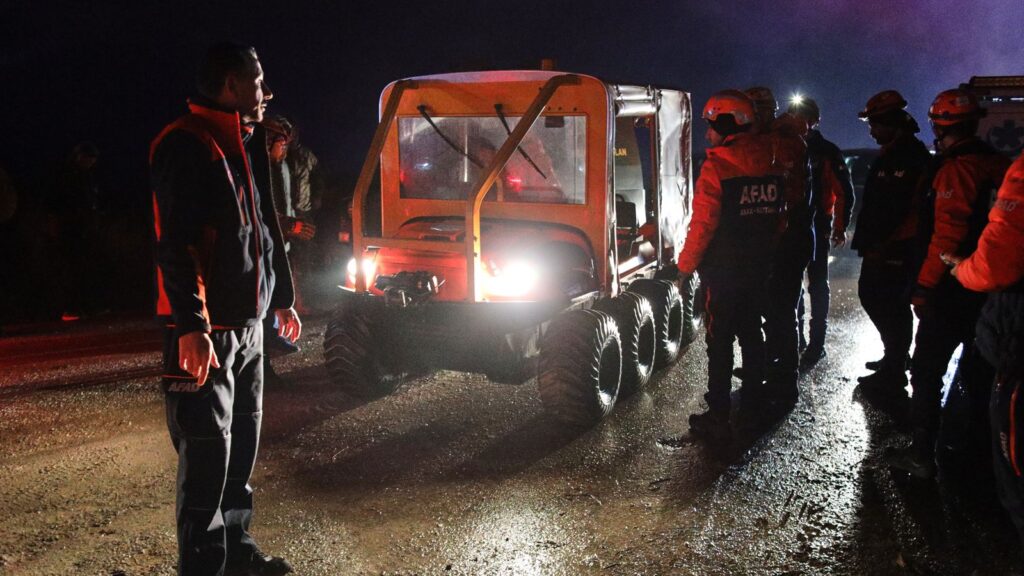
Turkish Justice Minister Yilmaz Tunc confirmed that the Ankara chief prosecutor’s office had opened an investigation into the crash.
Footage aired by several Turkish media organisations showed a bright flash lighting up the sky close to the location where the aircraft transmitted its distress signal.
A resident of Haymana, Burhan Cicek, described the moment of the crash, saying, “I heard a big sound of explosion. It was like a bomb.”
Libya’s ambassador to Ankara was also present at the crash site.
Walid Ellafi, Libya’s minister of state for communication and political affairs, told local broadcaster Libya al-Ahrar that Turkish authorities immediately informed the Libyan government after the incident.
“We received a call from the Turkish authorities immediately after the incident, reporting that contact with the aircraft had been lost,” Ellafi said.
“All contact with the aircraft was lost about half an hour after takeoff from Ankara airport due to a technical problem,” he added.
“We are awaiting the conclusions of the Turkish investigation, and it appears that the plane crashed.”
Ellafi said those on board included Haddad’s adviser, Mohammed Al-Assawi, as well as Major General Al-Fitouri Ghraibil, Major General Mohammed Jumaa and their escort, Mohammed Al-Mahjoub.
Haddad had served as Libya’s chief of general staff since August 2020, having been appointed by former prime minister Fayez al-Sarraj.
Libya remains politically divided between the UN-recognised government in Tripoli led by Dbeibah and the eastern-based administration loyal to commander Khalifa Haftar.
The country has faced prolonged instability since a NATO-backed uprising overthrew and killed longtime ruler Muammar Gaddafi in 2011.

Turkey maintains strong economic and military ties with the Tripoli-based government and has hosted frequent high-level visits between both sides. In recent months, however, Ankara has also made diplomatic overtures to the eastern administration, including a meeting in August between Turkey’s intelligence chief, Ibrahim Kalin, and Haftar in Benghazi.
What you should know
The crash claimed the life of one of Libya’s most senior military figures at a time of fragile political balance in the country.
Mohammed al-Haddad played a key role in maintaining military coordination under the UN-backed government in Tripoli. The incident also underscores the close but complex relationship between Libya and Turkey, which supports the Tripoli government while cautiously engaging rival factions in the east.
Investigations by Turkish authorities are expected to determine whether technical failure was the sole cause.