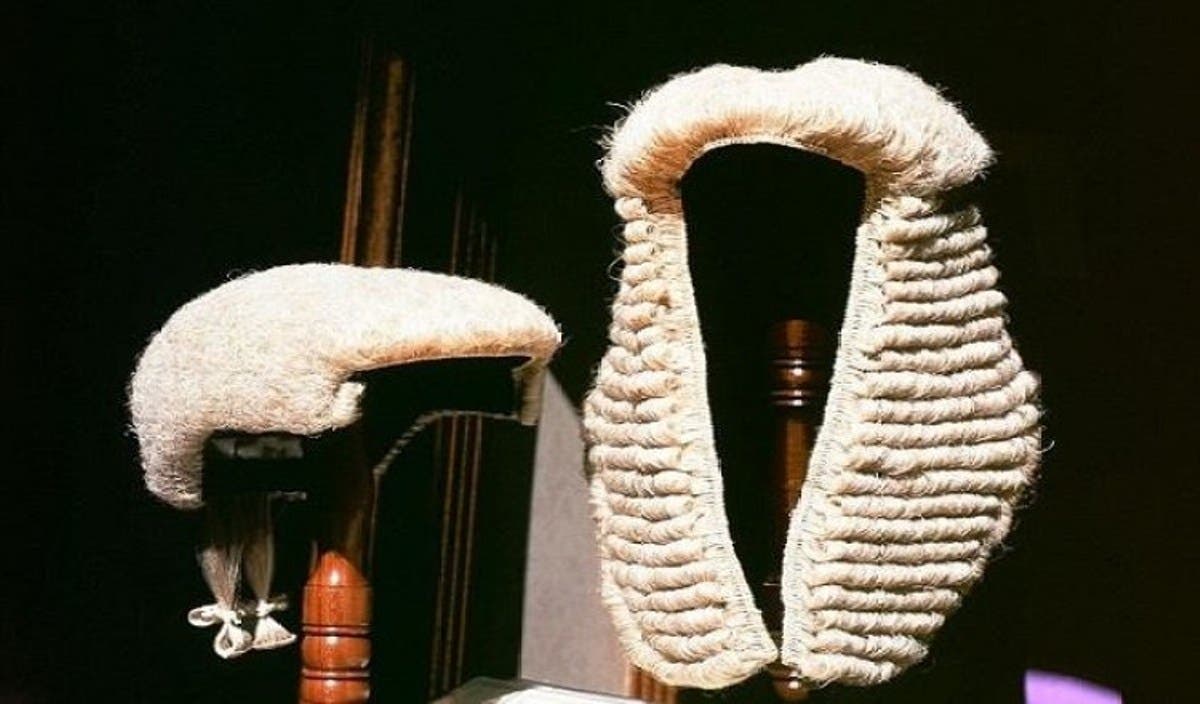
Legal practitioner Dayo Adu has said doctors need continuous medical-legal education to fully understand their professional obligations and the rights of patients.
Adu made the assertion during an interview on Channels Television’s The Morning Brief on Wednesday, where he highlighted the importance of cultural awareness and legal sensitisation within the medical profession.

He observed that there is a clear deficiency in medical-legal exposure within existing structures for continuous medical education for doctors.
“I also think there is a gap when it comes to medical-legal training, even within continuous medical education. Perhaps collaboration with lawyers or legal bodies would help doctors become much more informed about their duties,” he said.
Addressing patients’ rights, Adu stressed that individuals receiving medical care must be properly informed about the standard of treatment they are entitled to expect.
“For patients, it is all about understanding their rights and knowing that the standard of care they deserve is their right and must be strictly adhered to,” he added.
He further underlined the role of public enlightenment, noting that patients can only demand accountability when they are adequately informed.
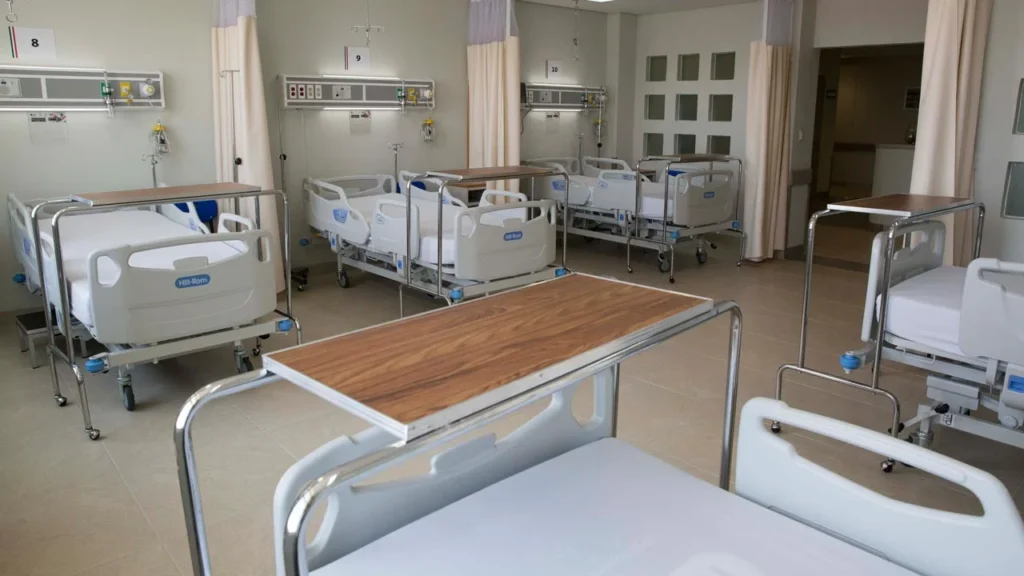
The legal expert also called on the medical profession to undertake honest self-assessment, while acknowledging long-standing systemic challenges within Nigeria’s healthcare sector.
“I really think the medical profession itself needs to look inward. We know that funding is inadequate, staffing in hospitals is not what it should be, and we are all aware of the ‘japa’ syndrome,” he said.
Adu, however, noted that there have been limited positive developments, with some Nigerian medical specialists abroad beginning to return home to establish specialised practices aimed at addressing gaps in healthcare delivery.
Despite this, he maintained that significant improvements are still required, particularly in ensuring that hospitals comply with standards set by relevant regulatory authorities.
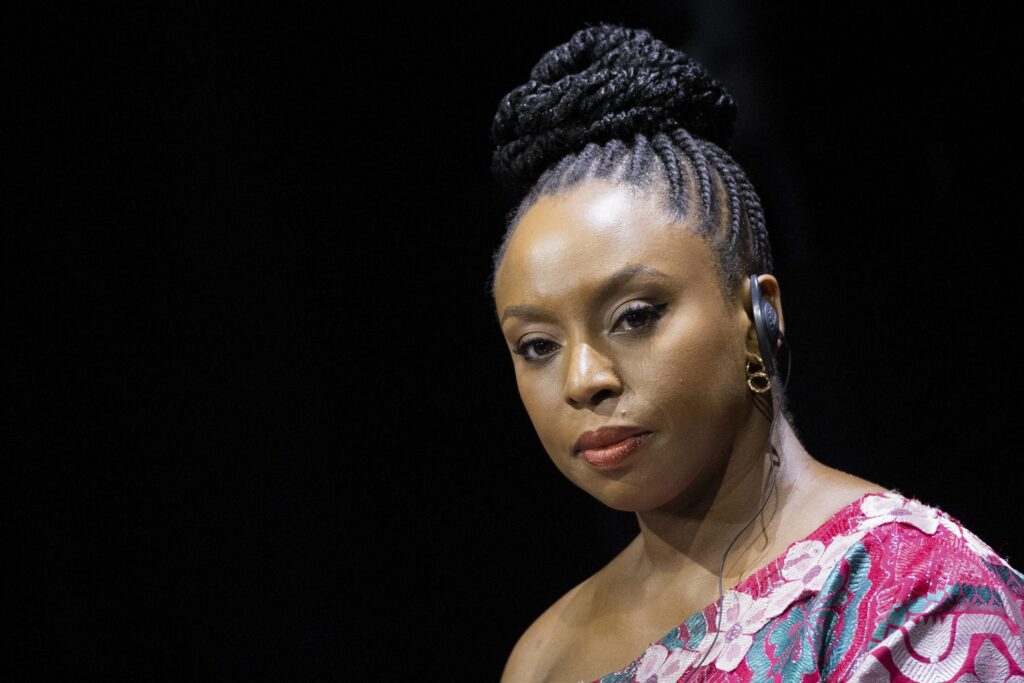
His remarks followed the death of a 21-month-old child, reportedly the son of renowned Nigerian author Chimamanda Ngozi Adichie, who died on January 7 at Euracare Hospital. The incident was alleged to have involved negligence by the attending anaesthesiologist.
The author has since issued a legal notice to the hospital, alleging that medical negligence and professional misconduct were responsible for her son’s death.
What you should know
Medical negligence remains a sensitive and growing concern in Nigeria’s healthcare system, especially amid poor funding, staff shortages and rising emigration of medical professionals.
Legal experts argue that stronger collaboration between the medical and legal professions could help doctors better understand their responsibilities while empowering patients to assert their rights.
Continuous medical-legal education, improved hospital regulation and increased public awareness are seen as key steps toward reducing malpractice cases and restoring trust in healthcare delivery across the country.