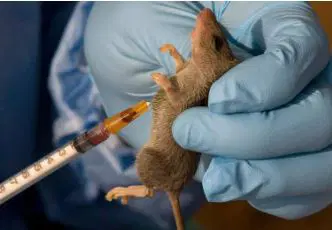
No fewer than 31 people have lost their lives to Lassa fever within the first five weeks of 2026, according to the most recent figures released by the Nigeria Centre for Disease Control (NCDC).
In its situation report issued on Monday, the public health agency disclosed that more than 754 suspected infections were recorded during the period under review, with 165 cases laboratory-confirmed.

The report also revealed that nine healthcare workers were among those infected, underscoring the continued occupational risk faced by frontline medical personnel.
“Cumulatively, as at week five 2026, 31 deaths have been reported with a Case Fatality Rate (CFR) of 18.8 percent, which is lower than the CFR for the same period in 2025 (19.6 percent).
“In total for 2026, nine states have recorded at least one confirmed case across 33 local government areas,” the report reads.
“Ninety-two percent of all confirmed Lassa fever cases were reported from five states (Bauchi, Ondo, Taraba, Edo, and Plateau), while eight percent were reported from four states with confirmed Lassa fever cases.
“Of the 92 percent confirmed cases, Bauchi reported 47 percent, Ondo 18 percent, Taraba 14 percent, Edo eight percent, and Plateau five percent.
“The predominant age group affected is 21–30 years (Range: 1 to 74 years, Median Age: 28 years). The male-to-female ratio for confirmed cases is 1:0.8 (Figure 4).
“The number of suspected and confirmed cases decreased compared to that reported for the same period in 2025,” it added.
The NCDC further indicated that 135 confirmed patients are currently receiving treatment at designated centres, while no fewer than 110 suspected cases are undergoing contact tracing and monitoring.
Detailing its response measures, the agency stated that it had carried out a high-level field mission to Bauchi State, activated the Incident Management System under the National Lassa Fever Emergency Operations Centre, and coordinated laboratory sample analysis across its network to ensure early detection and prompt treatment.
The agency also noted ongoing advocacy efforts aimed at securing a dedicated budget line to strengthen field operations for prevention and control of the disease.
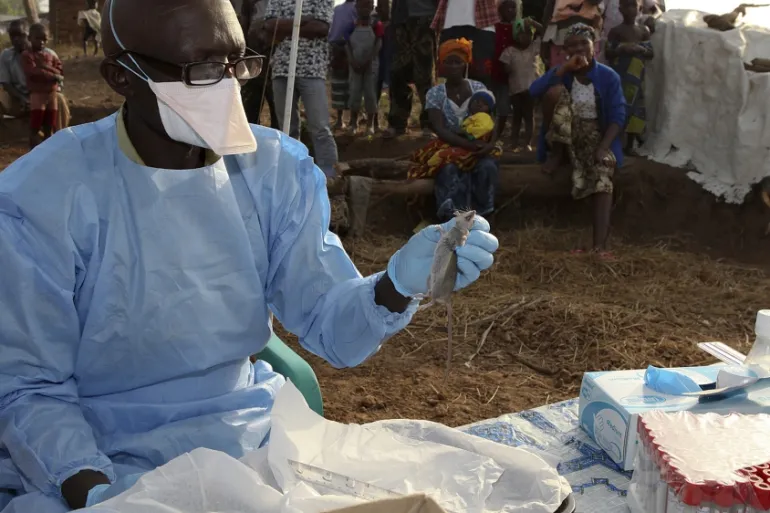
Lassa fever is a severe viral haemorrhagic illness triggered by the Lassa virus, which belongs to the arenavirus family. The disease is primarily zoonotic and is transmitted by the common African rodent known as the mastomys rat.
The illness remains endemic in Nigeria and several other West African countries. Human infection typically occurs through contact with food, surfaces, or household items contaminated by the urine or faeces of infected mastomys rats.
Health authorities continue to urge residents to maintain proper hygiene, store food safely, and limit exposure to rodents as part of preventive measures against the disease.
What you should know
Thirty-one people have died from Lassa fever in the first five weeks of 2026, with 165 confirmed cases out of over 754 suspected infections.
Nine health workers were among those affected. Bauchi, Ondo, Taraba, Edo, and Plateau account for the majority of cases.
The NCDC has activated emergency response systems, intensified surveillance, and strengthened laboratory testing as part of efforts to control the outbreak.