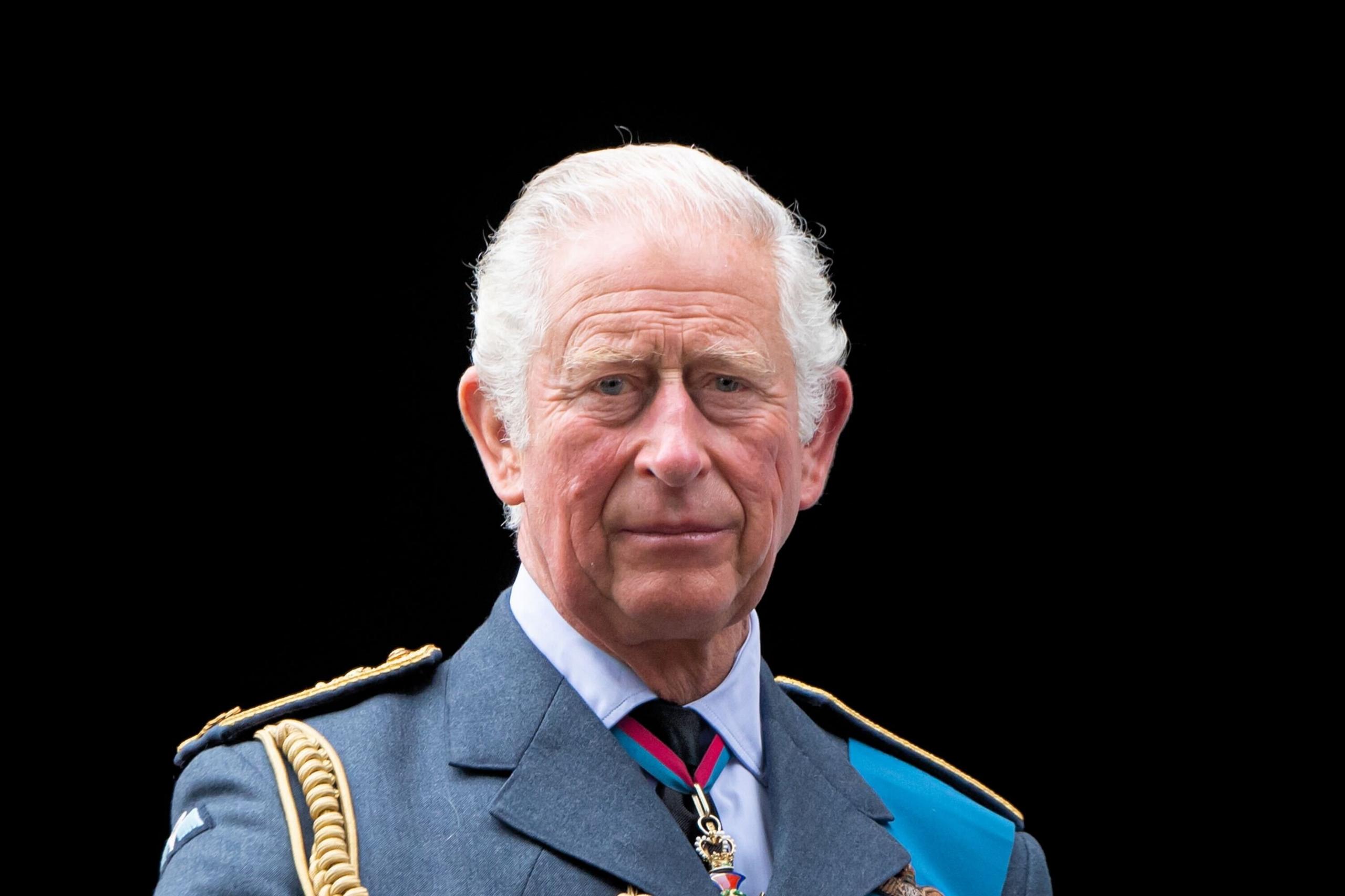
For the first time in royal history, King Charles III has voluntarily made his personal tax bill public, paying £12.9 million for 2024 to 2025, a move widely seen as a deliberate step toward modernizing the monarchy.
The disclosure, released Thursday as part of the Royal Household’s annual financial accounts, places the King among Britain’s top 100 taxpayers for the year, a distinction that Keeper of the Privy Purse James Chalmers was careful to highlight as he addressed assembled press at the Palace.
The figures laid bare not just one year’s liability but a cumulative picture: since ascending the throne following the death of Queen Elizabeth II in September 2022, Charles has paid more than £30 million in combined income and capital gains taxes all voluntarily, a point Chalmers emphasized with notable deliberateness.
“Today I can share with you that His Majesty’s tax payable for 2024-25 was £12.9 m,” Chalmers confirmed, before adding that the prior year’s bill stood at £11.7 million. “All of this, remember, voluntarily.”
The royal family has faced persistent public pressure in recent years to justify the considerable financial machinery that sustains it, particularly amid ongoing debates about the cost of the monarchy to the British taxpayer. By voluntarily opening its books even partially, Buckingham Palace appears to be playing a long game of institutional goodwill.
Charles had previously disclosed tax payments as Prince of Wales, but the elevation of that practice to the kingship represents a significant escalation in transparency.
The king voluntarily pays income tax on all his private income and capital gains tax on relevant assets under arrangements first established by the late queen in 1993, a framework that, for the first time, is now being tested before the court of public opinion at the very highest level.
His private income streams are varied and substantial. They include revenues from the sprawling Duchy of Lancaster, a centuries-old private portfolio of land, commercial, and agricultural properties, which generated £25.2 million for the 2025-26 year alone.
Additional sources may include investment returns, trading profits, and income from his private estates at Balmoral in Scotland and Sandringham in Norfolk.
Not to be overshadowed, the financial records also shine a light on the heir to the throne. Prince William paid £7.76 million in income and capital gains taxes during the 2024-25 financial year and £8.34 million the year prior, bringing his total voluntary tax contributions since becoming Prince of Wales to more than £20 million.
William’s income derives primarily from the Duchy of Cornwall, a billion-pound hereditary estate whose eclectic portfolio includes The Oval cricket ground in South London.
The Duchy generated £21.6 million for William in 2025-26. Unlike the Sovereign Grant, this income is used exclusively for private expenditure and is not directed toward official royal duties.
The accounts also revealed that William made the most expensive overseas official trip of any senior royal during the period, chartering a plane to Saudi Arabia in February for £130,106, including a separate preparatory staff visit.
Beyond personal finances, the accounts revealed that the Sovereign Grant, the public funding mechanism that finances the King’s official duties and the operational costs of the Royal Household, has risen by £45.8 million to £132.1 million for 2025-26.
The increase is likely to attract scrutiny from republican campaigners and cost-of-living-conscious members of the public alike, even as the Palace points to the transparency of the accompanying disclosures as evidence of responsible stewardship.
In a decision that will reshape the public’s relationship with one of the world’s most iconic buildings, King Charles has confirmed he will not take up residence at the Palace once its near £370 million refurbishment, a decade-long project replacing ageing boilers, electrical cables, and pipework to reduce fire and flood risk, is completed next March.
Instead, Charles and Queen Camilla will continue to make their London home at the more intimate Clarence House, a short distance away on The Mall. The Palace, however, will not be mothballed. It will remain, in Chalmers’ words, “Monarchy HQ,” the ceremonial and operational nerve center of royal life, with the sovereign’s standard continuing to fly from the rooftop whenever the King is present in the capital.
The move, framed as a gesture toward expanded public access, raises significant questions about the future configuration of royal London. A Buckingham Palace spokesperson was clear on the intent: “We are seeking to widen public access precisely to maximize the national benefit of a publicly funded building.”
Private rooms within the palace will be made available for the king and queen to use during working days, and the palace pointedly noted these rooms “could be utilized as potential residential accommodation in times ahead,” leaving the door open, quite literally, to a future change of heart.
For now, however, the message from the palace is one of deliberate reinvention: a monarchy that pays its taxes, publishes its accounts, and opens its doors. Whether the British public accepts that bargain remains, as ever, the more unpredictable variable.
WHAT YOU SHOULD KNOW
King Charles III has made royal history by becoming the first British monarch to publicly disclose his personal tax bill of £12.9 million for 2024-25, with over £30 million paid voluntarily since his accession. Prince William has similarly contributed more than £20 million in taxes since becoming Prince of Wales.
Alongside these revelations, the Sovereign Grant rose to £132.1 million, and in a landmark decision, Charles confirmed he will not reside at Buckingham Palace after its £370 million renovation, opting instead to keep Clarence House as his London home while increasing public access to the Palace.