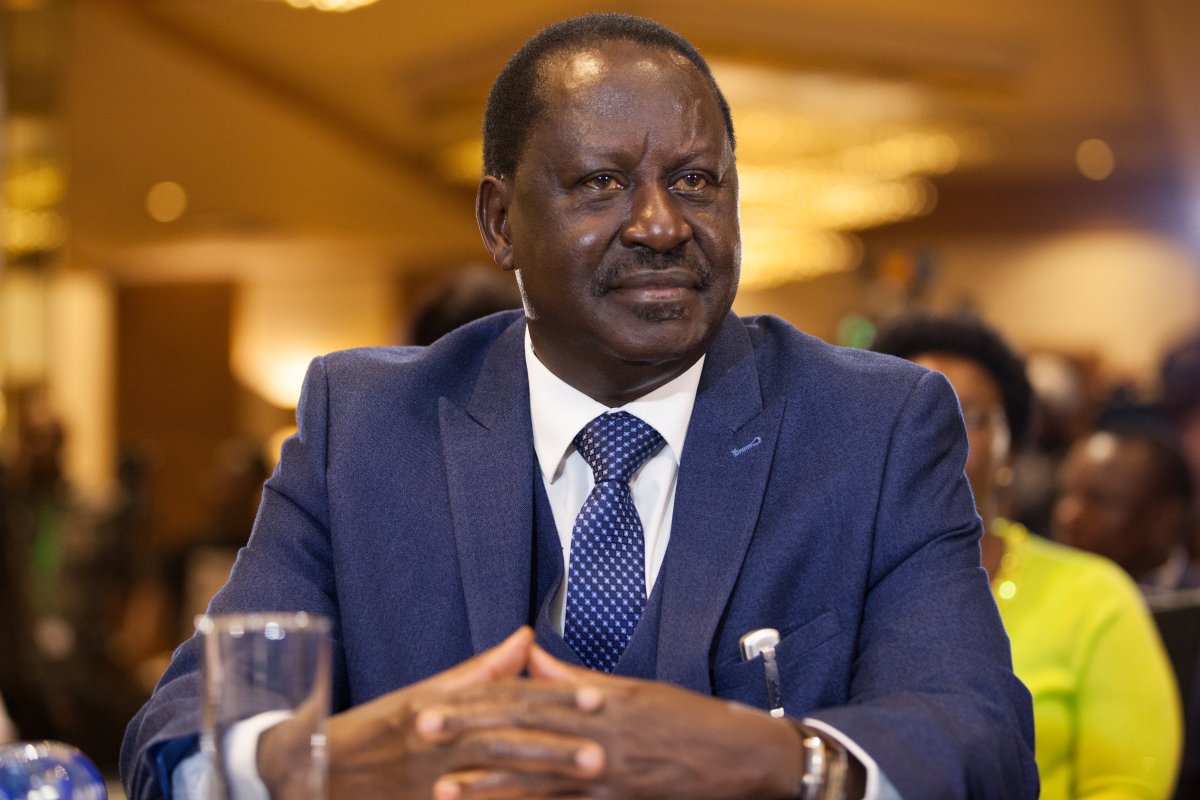
Kenya’s veteran opposition leader, Raila Odinga, has died at the age of 80 while receiving medical attention in India, local police confirmed on Wednesday, a shocking development that could reshape the country’s political landscape.
Odinga, who was a defining figure in Kenyan politics for decades, made five unsuccessful bids for the presidency, the most recent being in 2022. Despite never winning the top seat, he remained one of the most influential figures in the nation’s political scene, commanding deep loyalty from supporters, particularly in his home region of western Kenya.
According to Indian police, Odinga was walking with his sister, daughter, and personal doctor when he “suddenly collapsed.” An Indian police officer and a Kenyan security official accompanying him rushed him to a nearby private hospital, where doctors declared him dead.
A member of Odinga’s political team also confirmed the news to AFP, though they requested anonymity pending an official statement from his party.
Born on January 7, 1945, Odinga’s political journey was marked by resilience, defiance, and decades-long advocacy for democracy. He was jailed and exiled multiple times during the repressive regime of President Daniel arap Moi, emerging as one of the central figures in Kenya’s pro-democracy movement.
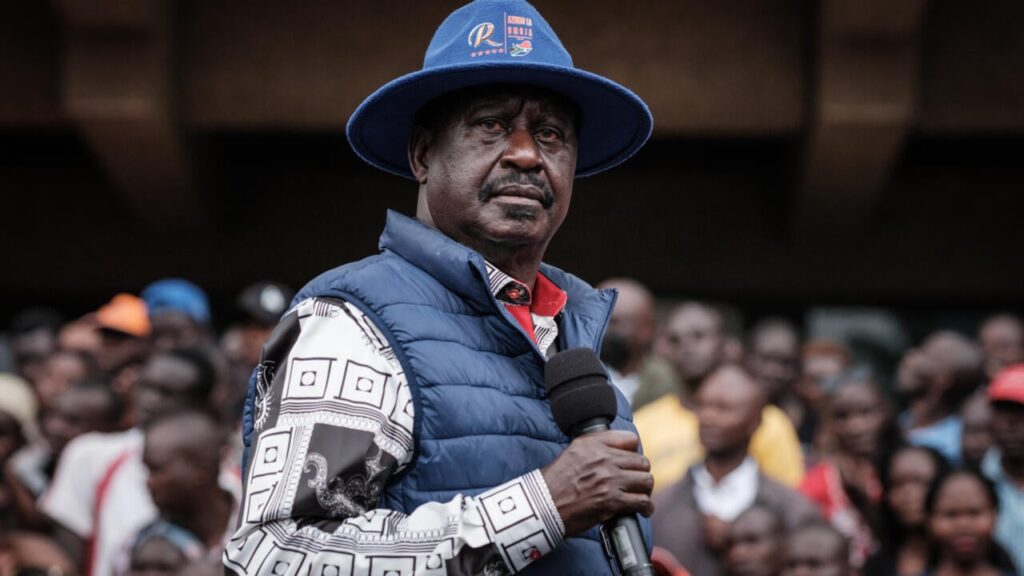
A scion of one of Kenya’s most prominent political families—his father, Jaramogi Oginga Odinga, was the country’s first vice president—Raila Odinga carved his own legacy as an unwavering voice for reform. Despite belonging to the elite, he built his image as an anti-establishment crusader, repeatedly alleging electoral fraud in the four most recent presidential contests.
His passing leaves a vacuum within the Kenyan opposition, raising questions about who might unify and lead the movement as the country heads toward the 2027 elections.
Tributes have poured in from across Africa and beyond. Former Chief Justice and presidential hopeful David Maraga expressed his grief, describing Odinga as “a patriot, a pan-Africanist, a democrat and a leader who made significant contributions to democracy in Kenya and in Africa.” He added, “Africa has lost a leading voice in pushing for peace, security, and development.”
Ethiopian Prime Minister Abiy Ahmed also extended condolences, writing on X: “On behalf of the Government of Ethiopia, I extend my sincere condolences on the passing of former Kenyan Prime Minister Raila Odinga. May he Rest In Peace.”
A spokesman for the Sreedhareeyam Ayurvedic Eye Hospital and Research Centre in Kerala, India, where Odinga was receiving treatment, said he “experienced some breathing difficulties and collapsed.” Despite resuscitation efforts and emergency care, “his condition deteriorated and the doctors were unable to save him.”
What You Should Know
Raila Odinga’s death marks the end of an era in Kenyan politics. Known as the voice of the opposition and a champion of democracy, he stood at the heart of the nation’s most defining political struggles for more than three decades.
His absence now leaves Kenya’s opposition movement without its most recognizable and unifying figure as the country approaches another election cycle.