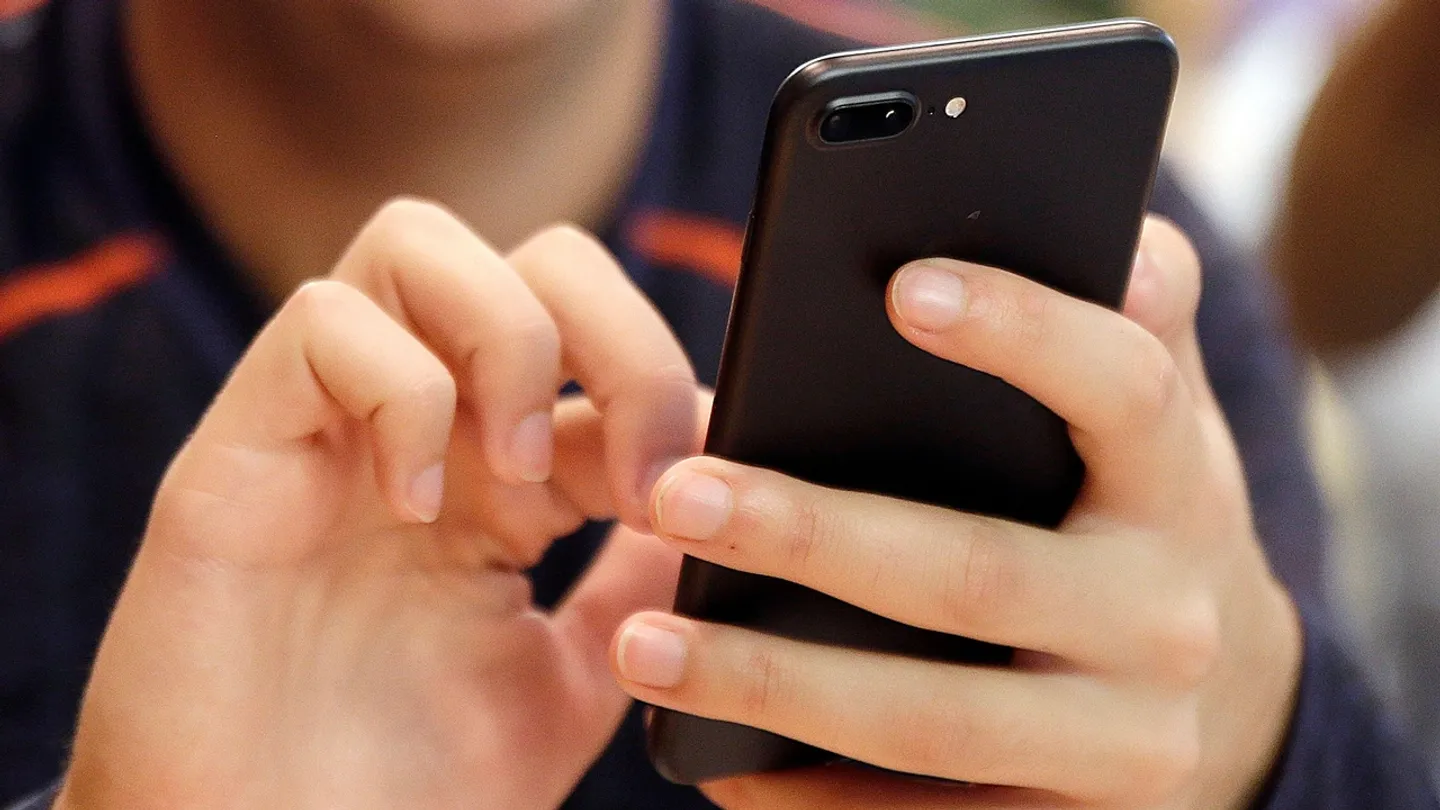
Toyoake City in central Japan is moving forward with a proposed ordinance encouraging residents to restrict smartphone use to two hours a day outside work or school.
The guideline, however, is not legally binding and carries no penalties for exceeding the recommended limit. According to the draft, elementary school students are urged to stop using smartphones after 9 pm, while junior high school students and older are advised to avoid usage after 10 pm.
The proposal has triggered widespread backlash online, with many calling the plan unrealistic. “I understand their intention, but the two-hour limit is impossible,” one user posted on X. Another added, “In two hours, I cannot even read a book or watch a movie (on my smartphone).”
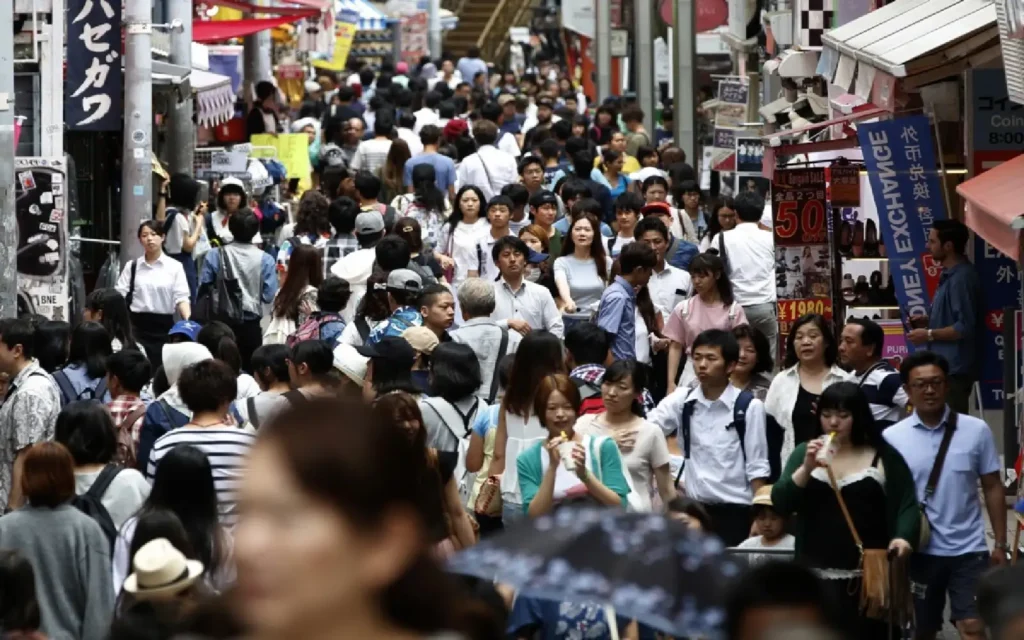
Critics argue that decisions about smartphone use should be left to families rather than dictated by city guidelines. In response, the mayor clarified that the recommendation is not mandatory, stressing that the rules “acknowledge smartphones are useful and indispensable in daily life.”
If approved, the ordinance will take effect in October. Toyoake’s initiative mirrors an earlier move in 2020 when the Kagawa region introduced a similar ordinance limiting children to one hour of gaming during the week and 90 minutes during school holidays, alongside restrictions on late-night smartphone use.
A recent survey by the Children and Families Agency revealed that Japanese youth spend an average of over five hours daily online during weekdays.
What you should know
Toyoake City’s proposed smartphone limit reflects Japan’s ongoing concerns over youth screen time, following earlier restrictions in Kagawa.
While the ordinance is non-binding, it highlights growing debates on balancing technology use with health and family autonomy.