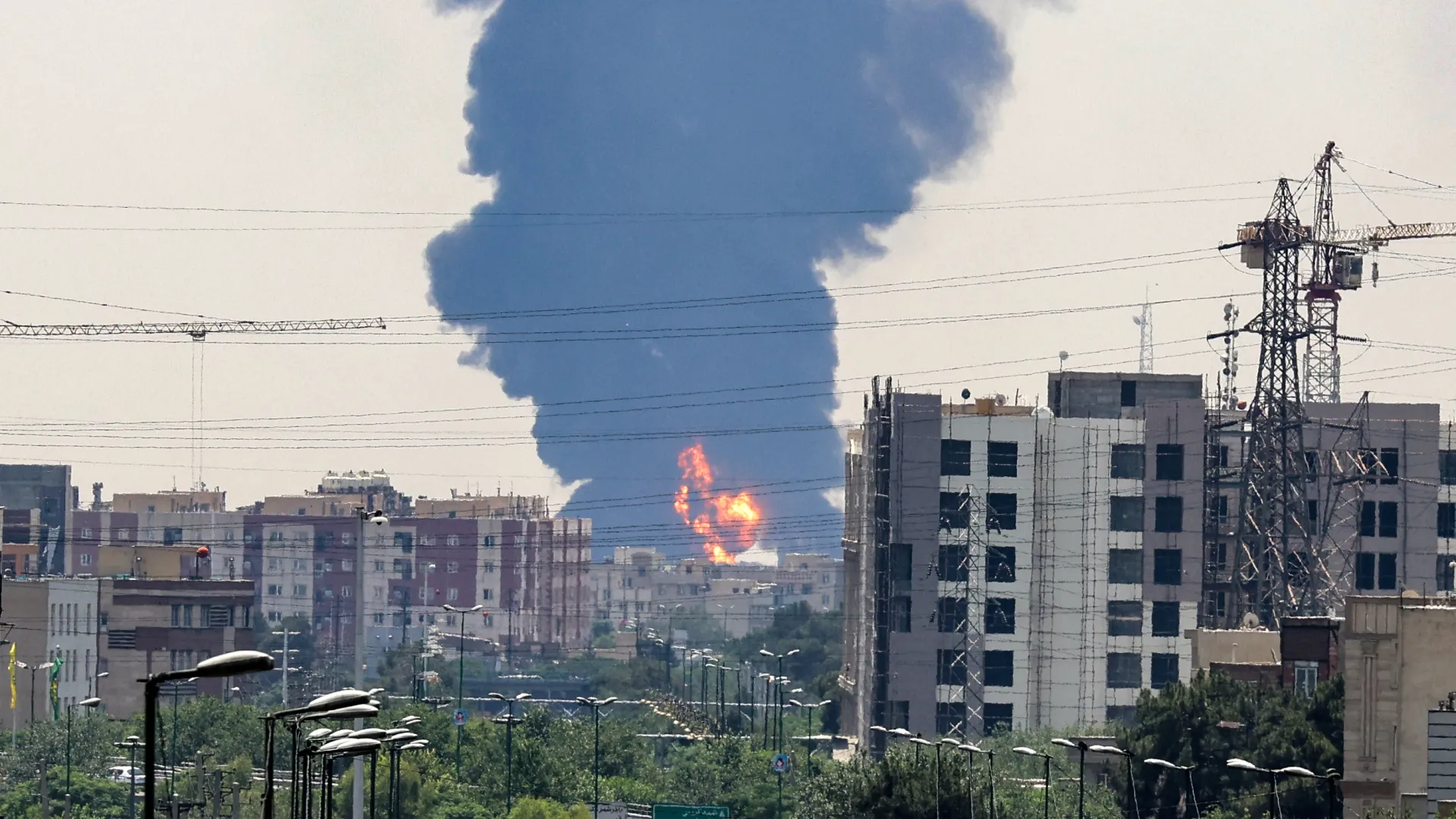
The Israeli military has announced that it conducted a large-scale aerial operation overnight, striking what it described as dozens of high-value military and nuclear-related targets in Tehran.
The Friday morning statement confirmed that the campaign marked the eighth consecutive day of military confrontation between Israel and Iran, heightening fears of a broader regional conflict.
According to Israel’s military, more than 60 fighter jets participated in the operation, launching coordinated strikes on what it called a central hub for Iran’s nuclear weapons research and development.
At the core of the operation was an attack on the headquarters of the Organisation of Defensive Innovation and Research (SPND), which Israel alleges is actively involved in developing advanced technologies and weapons to bolster Iran’s military strength.
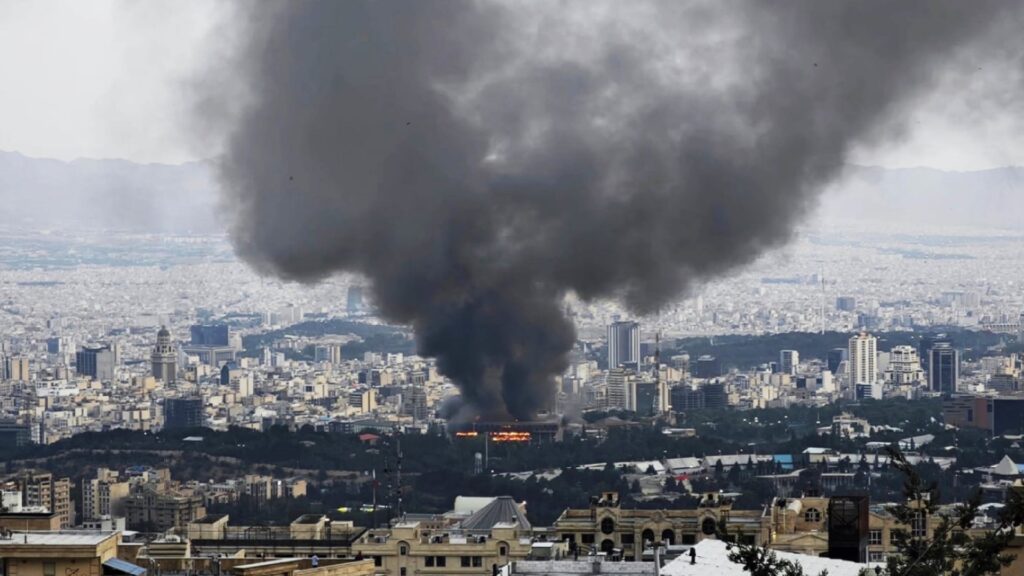
The SPND has long been suspected by Israeli and Western intelligence agencies of playing a covert role in the advancement of Iran’s nuclear weapons capability—an accusation that Tehran has consistently denied.
In its latest statement, the Israeli military insisted the headquarters was being used to support “the research and development of advanced technologies and weapons” directly aiding the Iranian regime.
Beyond targeting the SPND, the Israeli operation focused on missile-related infrastructure. The army disclosed that multiple facilities used for the production of missile components, including raw materials for casting missile engines, were destroyed during the air raid. These targets, Israel said, were integral to Iran’s ballistic missile program.
In the same night, Israel said its air defense systems intercepted four unmanned aerial vehicles (UAVs) launched from Iranian territory. These drone attacks, according to the Israeli military, were neutralized before reaching Israeli airspace and did not cause any reported damage or casualties.
Separately, the Israeli military stated it had conducted precision strikes on three missile launchers in Iranian territory that were “ready-to-launch” and aimed at Israel. The preemptive strikes were described as part of a broader strategy to eliminate immediate threats and prevent further escalation.
This series of aggressive actions follows Israel’s initial airstrikes against Iranian nuclear sites eight days ago, which triggered the current wave of hostilities.
Israel maintains that Tehran is close to achieving a nuclear weapons capability, prompting preemptive action to curb what it views as an existential threat. Iran has responded with both air and drone strikes and has vowed to retaliate against any further Israeli aggression.
Meanwhile, diplomatic channels are attempting to calm tensions. European foreign ministers are set to engage in talks with Iran’s foreign minister on Friday, with the objective of brokering a diplomatic solution before the conflict spirals further out of control.
The international community has expressed concern about the potential for the confrontation to engulf other nations in the region.
In Washington, U.S. President Donald Trump has yet to announce whether the United States will join Israel’s campaign against Iran. However, he acknowledged on Thursday that a decision could come within two weeks, noting that there remains a “substantial” possibility of negotiation with Tehran.
As events unfold rapidly, attention remains fixed on both diplomatic efforts and military developments, with the stakes rising each day.
What You Should Know
Israel has launched its most extensive strikes yet on Iranian soil, hitting key sites allegedly tied to Iran’s nuclear weapons development. The strikes come amid rising fears of a full-scale regional war, even as European powers push for diplomatic talks and the U.S. weighs involvement.