Iran’s top army commander has issued a stern warning that the country will not remain passive in the face of external threats, following public backing of anti-government protests by the United States and Israel.
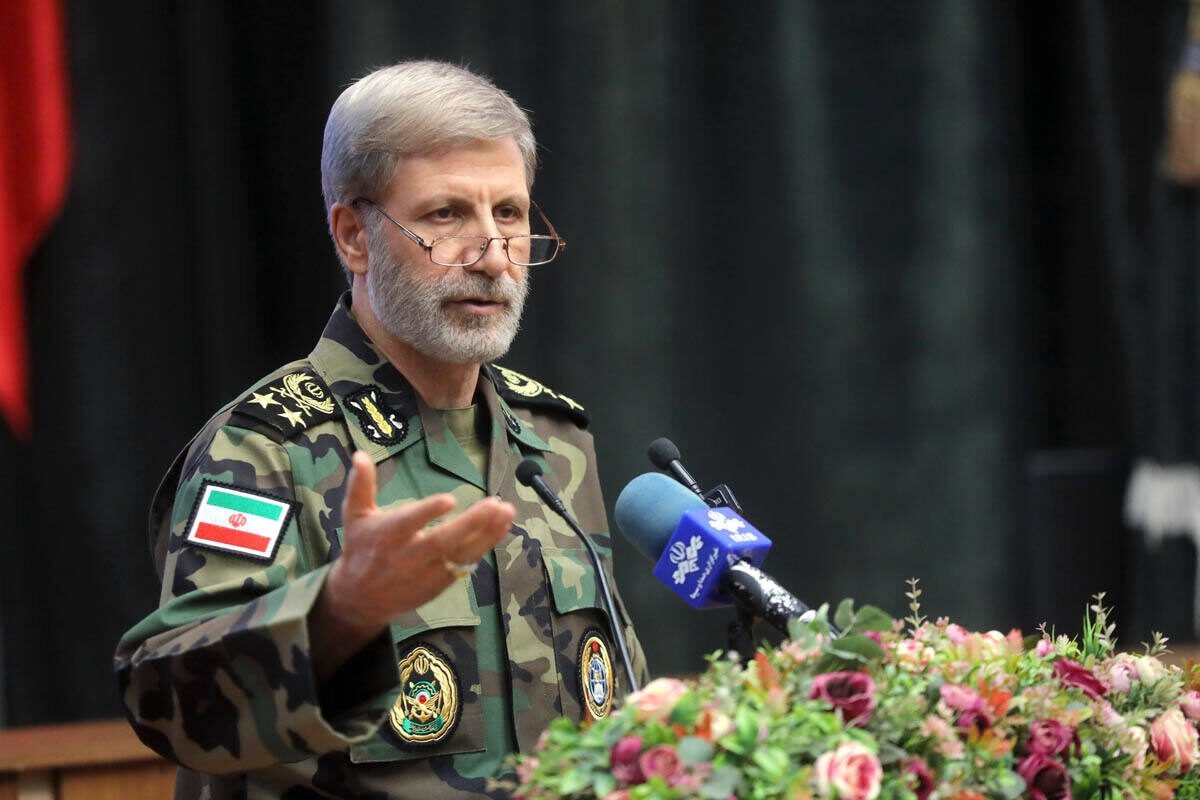
Speaking on Wednesday, General Amir Hatami said Tehran views the intensifying tone of hostile statements directed at Iran as a direct danger to its sovereignty.
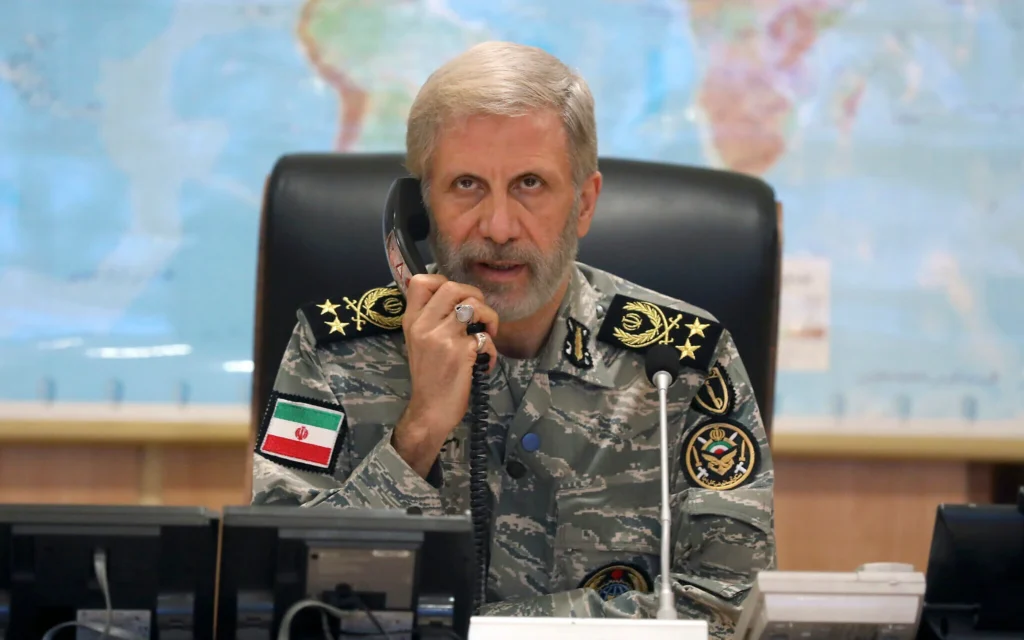
According to Iran’s Fars news agency, the army chief stressed that such rhetoric would not be allowed to continue without consequences.
“The Islamic Republic of Iran considers the escalation of hostile rhetoric against the Iranian nation a threat and will not tolerate its continuation without responding,” Hatami said.
Although Hatami commands the Iranian army, he is not the highest-ranking military official in the country. Still, his remarks underscored the seriousness with which Tehran is treating recent comments from Washington and Tel Aviv. He warned that any miscalculation by Iran’s adversaries would provoke a response even stronger than what was seen during last June’s brief but intense 12-day conflict with Israel.
Hatami cautioned that “if the enemy makes a mistake,” Iran’s reaction would surpass the scale of its actions during that confrontation.
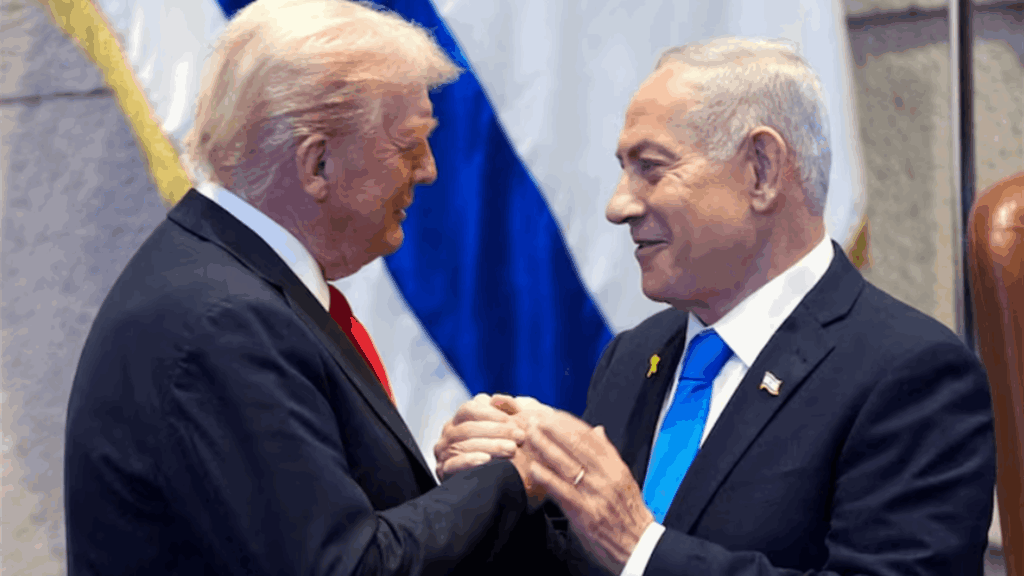
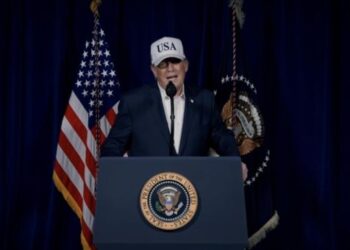
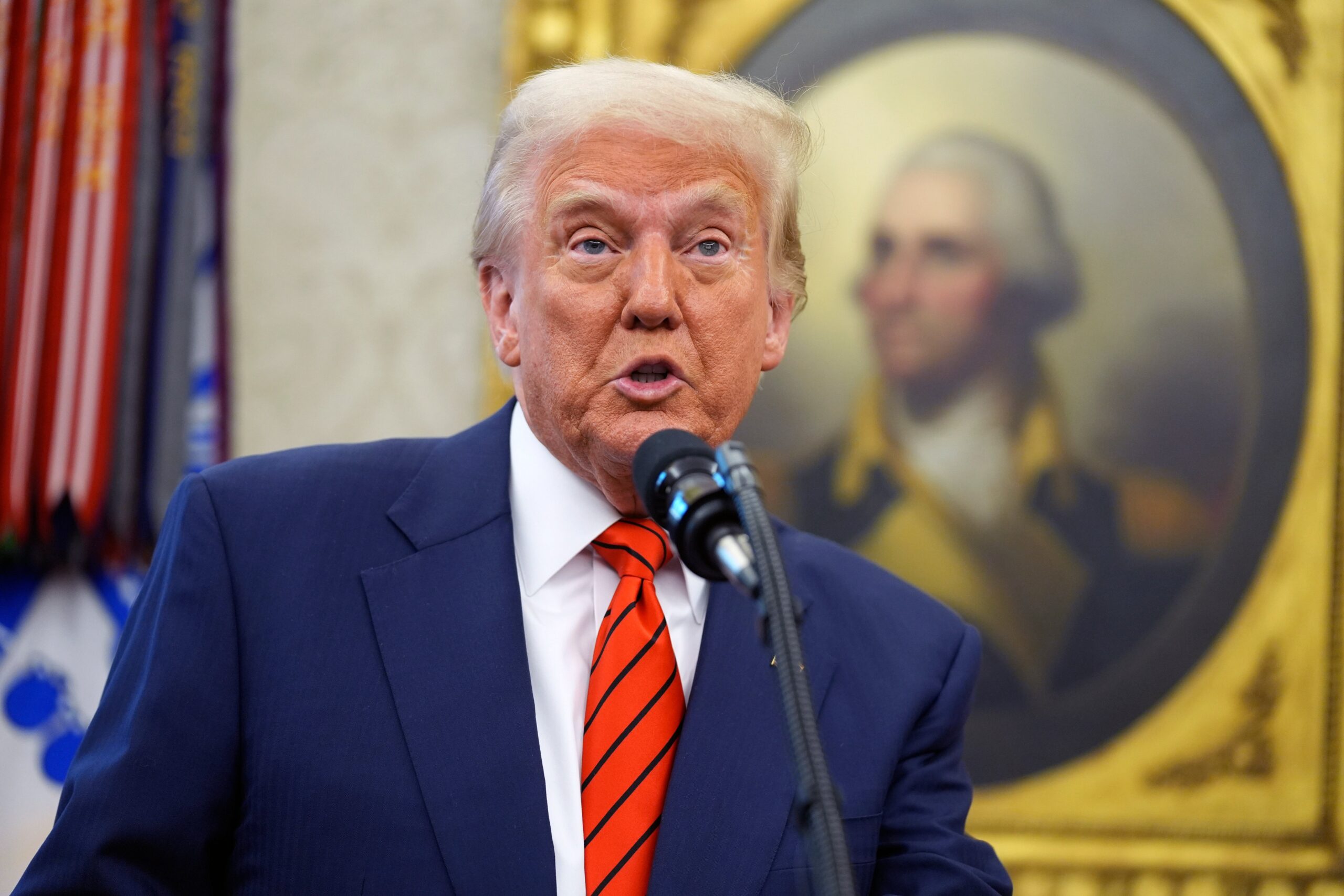
Tensions have risen in recent days after US President Donald Trump warned that Washington could intervene if Iranian security forces respond violently to demonstrators. Israeli Prime Minister Benjamin Netanyahu has also openly voiced support for the protests, adding to Tehran’s concerns about foreign interference.
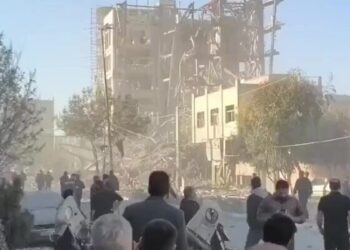
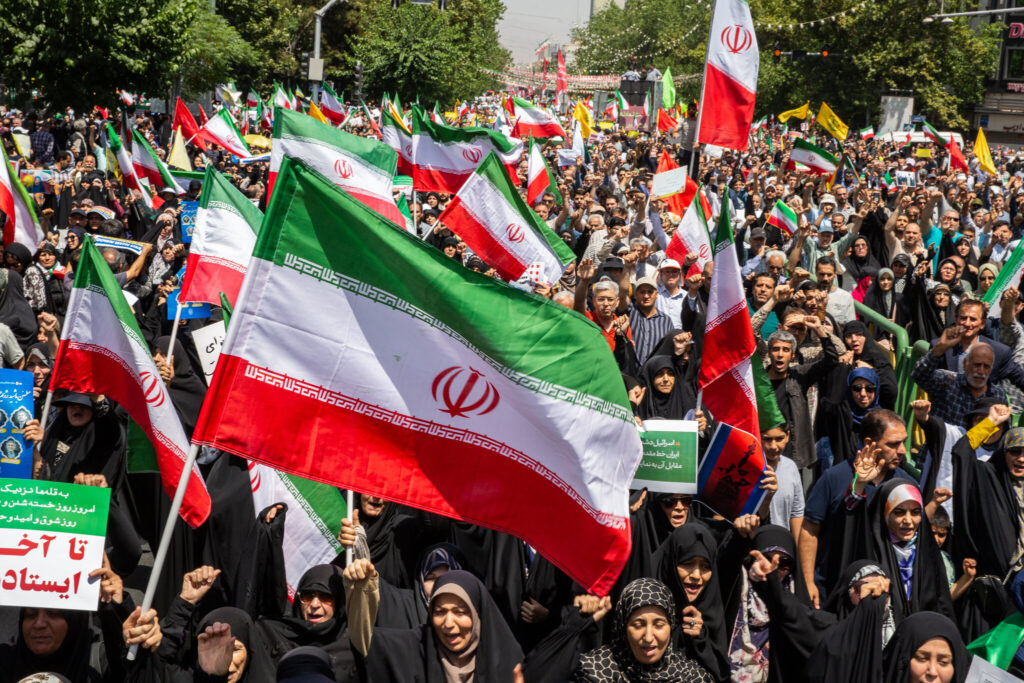
The unrest began on December 28, when traders in Tehran took to the streets to protest skyrocketing prices and the sharp decline of the national currency. Those demonstrations quickly inspired similar protests in other cities, some of which turned deadly.
While the current wave of unrest has not yet reached the magnitude of the nationwide protests seen between 2022 and 2023, nor the massive demonstrations that erupted after Iran’s disputed 2009 elections, the economic grievances have nonetheless drawn global attention. This has been amplified by statements from leaders long regarded by Tehran as adversaries.
Trump, speaking to reporters on Sunday, said the situation was being closely monitored by Washington. “We’re watching it very closely. If they start killing people like they have in the past, I think they’re going to get hit very hard by the United States,” he said.
Netanyahu echoed his support during a cabinet meeting, telling ministers, “We stand in solidarity with the struggle of the Iranian people and with their aspirations for freedom, liberty, and justice.”
Iran’s foreign ministry reacted sharply on Monday, accusing both leaders of deliberately stoking unrest and seeking to weaken the country’s internal cohesion. Officials argued that such statements were aimed at exploiting economic difficulties to undermine national unity.
The latest tensions come against the backdrop of the June conflict, which erupted after Israel launched unprecedented strikes on Iranian military and nuclear facilities. The United States later joined the operation briefly, carrying out attacks on three major Iranian nuclear sites before the fighting subsided.
What you should know
Iran’s warning reflects rising geopolitical tension as domestic economic protests intersect with long-standing hostilities involving the US and Israel.
Although the demonstrations remain limited compared to past uprisings, Tehran is clearly sensitive to foreign commentary, which it views as an attempt to inflame unrest.
With memories of the June conflict still fresh, Iranian leaders are signaling that any external military or political pressure linked to the protests could trigger a strong response, raising fears of renewed regional instability.