Iran’s Foreign Ministry on Wednesday strongly dismissed claims by the United States regarding its missile programme, labelling them as “big lies,” following President Donald Trump’s assertions that Tehran is developing missiles capable of striking the United States.
“Whatever they’re alleging in regards to Iran’s nuclear programme, Iran’s ballistic missiles, and the number of casualties during January’s unrest, is simply the repetition of ‘big lies’,” said ministry spokesman Esmaeil Baqaei on X.
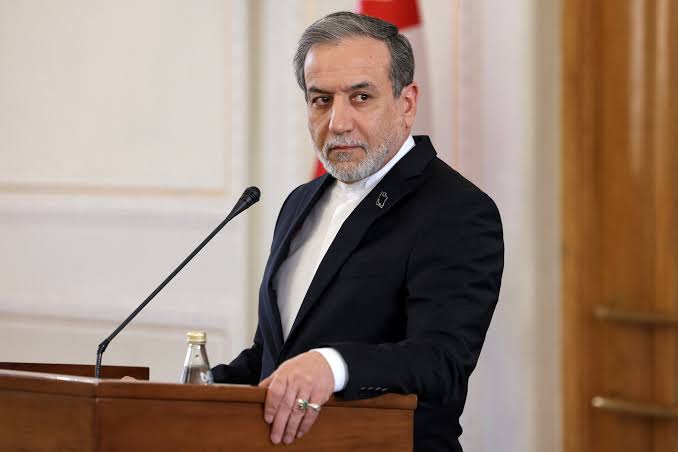
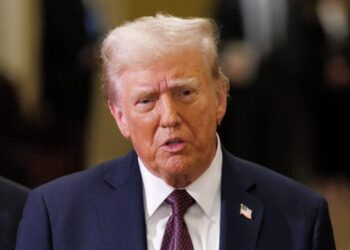
Baqaei did not detail which specific claims he was refuting, but his remarks came shortly after Trump stated that Iran was pursuing missile technology that could reach US soil.
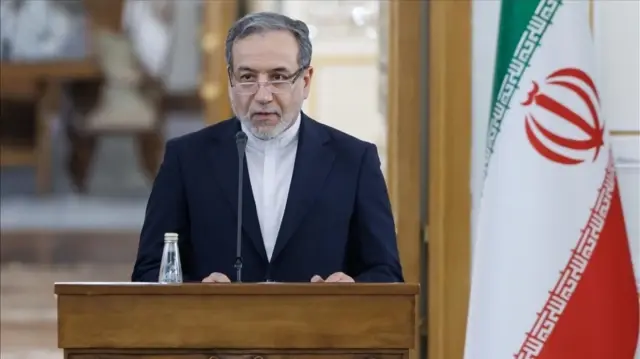
Earlier in February, Abbas Araghchi, Iran’s Foreign Minister, told Al Jazeera that while Tehran lacks the capability to strike the United States directly, it would target American bases in the Middle East if Washington initiated a military attack.
During his recent State of the Union address, Trump also reiterated that Iran would never be allowed to obtain a nuclear weapon, accusing Tehran of “at this moment again pursuing their sinister nuclear ambitions.” Iran, however, has consistently denied seeking nuclear weapons, insisting that its nuclear activities are for peaceful purposes only.
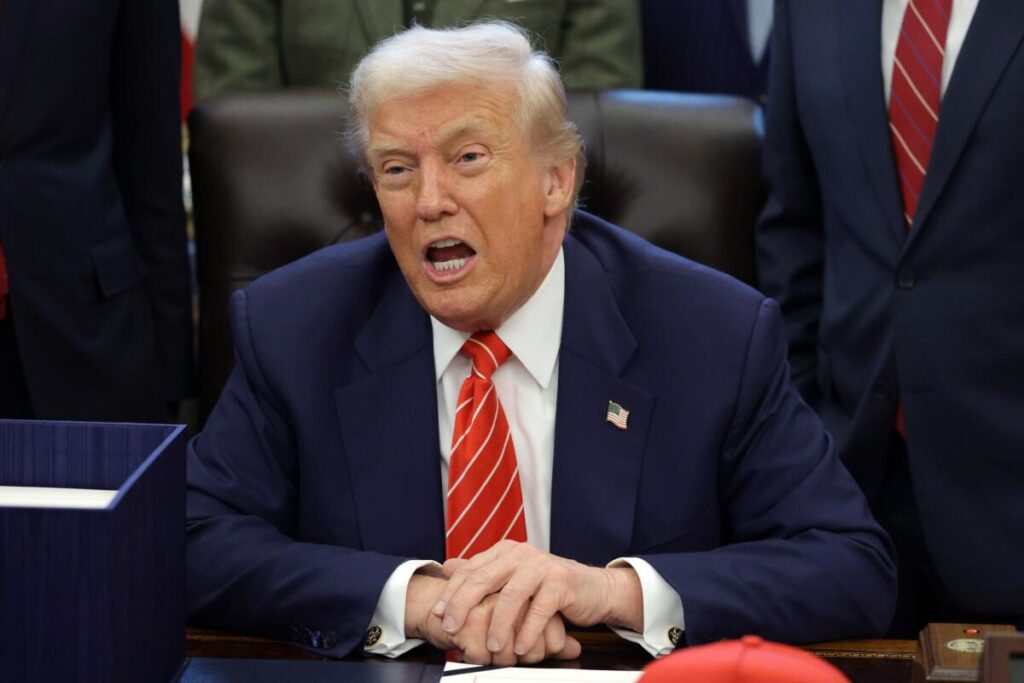
Trump additionally claimed that Iranian authorities were responsible for 32,000 deaths during a wave of protests that erupted in December and peaked on January 8 and 9. In response, Iranian officials acknowledged over 3,000 deaths but attributed the violence to “terrorist acts” allegedly fueled by the United States and Israel.
The US-based Human Rights Activists News Agency (HRANA) has documented more than 7,000 deaths, noting that the actual toll could be significantly higher.
These claims surface amid ongoing nuclear negotiations between Washington and Tehran. The two sides recently concluded two rounds of Oman-mediated talks aimed at reaching an agreement on Iran’s nuclear programme, with a third round scheduled for Thursday.
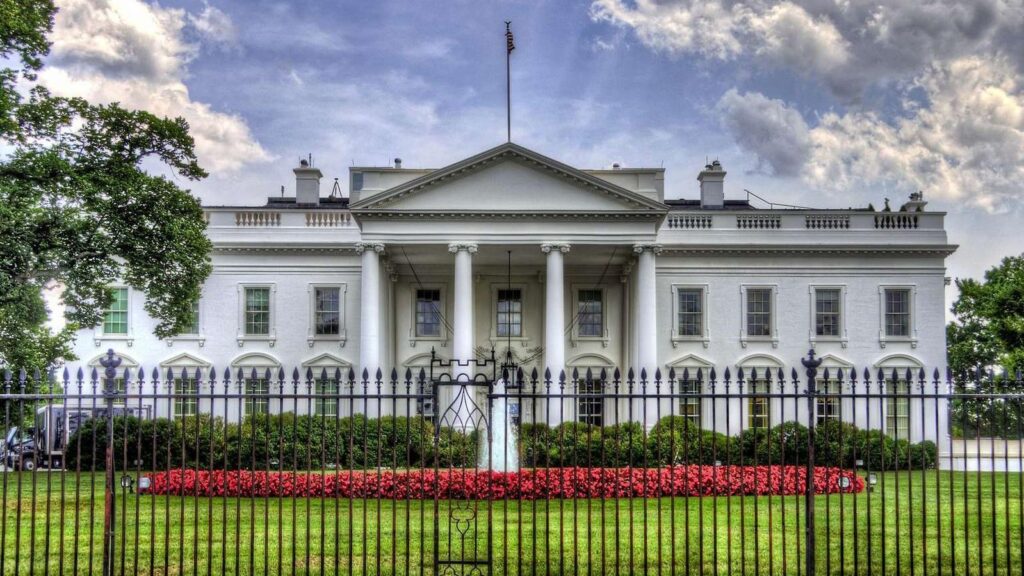
Washington has repeatedly demanded zero uranium enrichment by Iran, while also seeking limitations on its ballistic missile program and curtailment of support for armed groups in the region—demands that Iran has consistently rejected.
In a show of force and pressure, Trump has deployed a significant US naval presence to the Middle East to underscore his administration’s stance and readiness to act should diplomacy fail.
What You Should Know
Iran has officially rejected claims made by the United States regarding its missile capabilities and the death toll from January protests, labelling them as “big lies.”
Tehran insists its nuclear programme is solely for peaceful purposes and denies any intention to target the United States, though it warns it would respond to US attacks in the Middle East. The dispute comes amid ongoing negotiations mediated by Oman, as Washington seeks limits on Iran’s missile programme and militant support.
Human rights groups report higher casualty figures than Iranian authorities acknowledge, highlighting the contested narratives surrounding the unrest.