The Independent National Electoral Commission on Thursday informed the National Assembly that it requires N873.78bn to conduct the 2027 general elections, while also proposing N171bn to finance its activities in the 2026 fiscal year.
INEC Chairman, Prof. Joash Amupitan, disclosed this while presenting the Commission’s 2026 budget proposal and the projected cost of the 2027 polls before the National Assembly Joint Committee on Electoral Matters in Abuja.
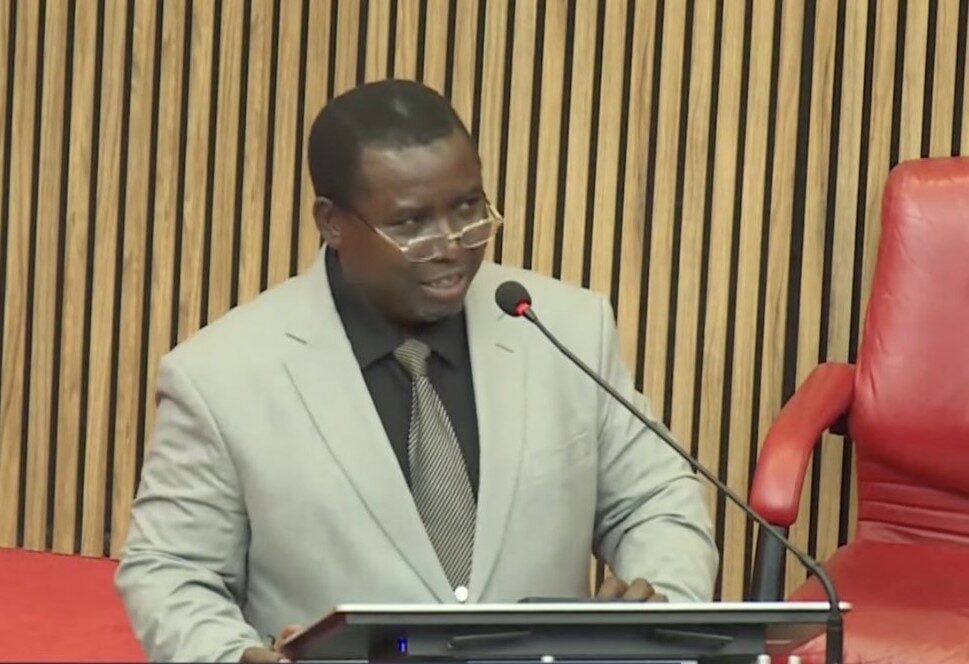
Amupitan explained that the N873.78bn estimate is intended to cover the comprehensive conduct of the 2027 general elections. He added that the additional N171bn requested for 2026 would fund routine operations, including bye-elections and off-season governorship elections.
The Senior Advocate of Nigeria clarified that the proposed election budget does not factor in a recent request by the National Youth Service Corps seeking an upward review of allowances for corps members serving as ad-hoc election officials.
Breaking down the projected election expenditure, Amupitan said the nearly N1tn estimate is distributed across five major components.
“N379.75bn is for operational costs, N92.32bn for administrative costs, N209.21bn for technological costs, N154.91bn for election capital costs and N42.61bn for miscellaneous expenses,” he said.
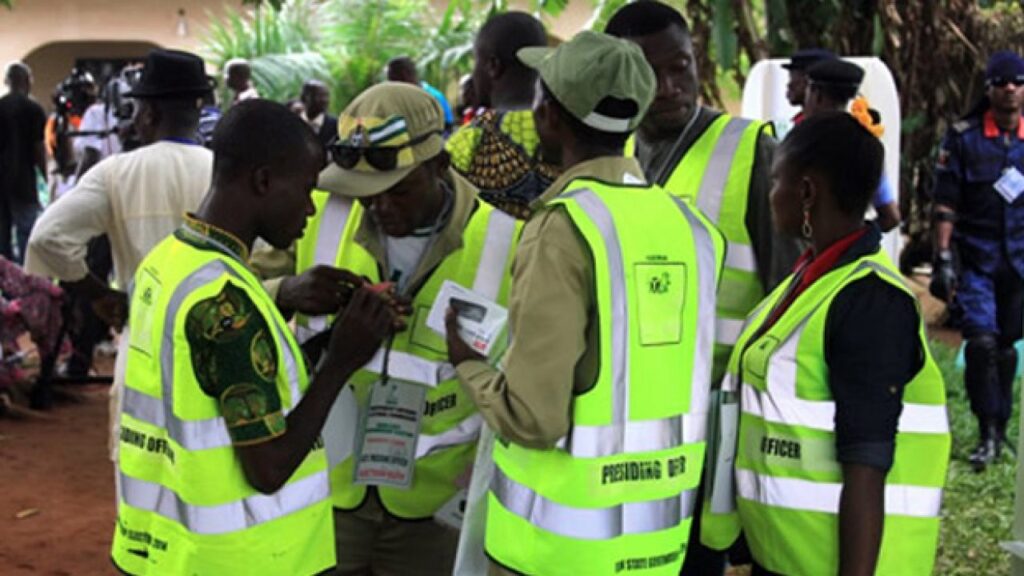
He noted that the budget proposal was prepared “in line with Section 3(3) of the Electoral Act 2022, which mandates the Commission to prepare its election budget at least one year before the general election.”
On the 2026 fiscal year allocation, Amupitan revealed that the Ministry of Finance provided an envelope of N140bn but stressed that “INEC is proposing a total expenditure of N171bn.”
He detailed the 2026 proposal as N109bn for personnel costs, N18.7bn for overheads, N42.63bn for election-related activities and N1.4bn for capital expenditure.
The INEC chairman argued that the envelope budgeting system does not align with the Commission’s operational realities, stating that its mandate often requires urgent and flexible funding arrangements.
He also highlighted the absence of a dedicated communications network as a significant operational limitation. According to him, establishing INEC’s own network infrastructure would enhance transparency and make it easier for Nigerians to assess the Commission’s performance in the event of technical failures.
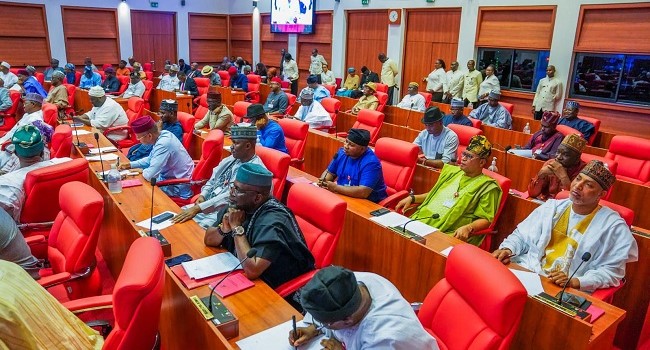
Lawmakers expressed varied reactions during the session. Senator Adams Oshiomhole (APC, Edo North) maintained that external agencies should not impose budgeting models on INEC, given the sensitive and unique nature of its responsibilities. He recommended discarding the envelope budgeting approach and urged the National Assembly to align with INEC’s financial request to prevent underfunding.
Similarly, Billy Osawaru, a member of the House of Representatives from Edo State, advocated placing INEC’s budget on first-line charge as provided by the Constitution. He stressed the importance of releasing funds fully and promptly to enable adequate preparation for the 2027 elections.
The Joint Committee subsequently approved a motion recommending a one-time release of the Commission’s annual budget. It also indicated that it would review the NYSC’s request for approximately N32bn to raise allowances for corps members to N125,000 each when engaged in election duties.
Senator Simon Along, Chairman of the Senate Committee on INEC, assured the Commission of legislative backing to ensure successful conduct of the 2027 polls. In the same vein, Chairman of the House Committee on Electoral Matters, Bayo Balogun, pledged support but cautioned INEC against making commitments it may struggle to fulfil.
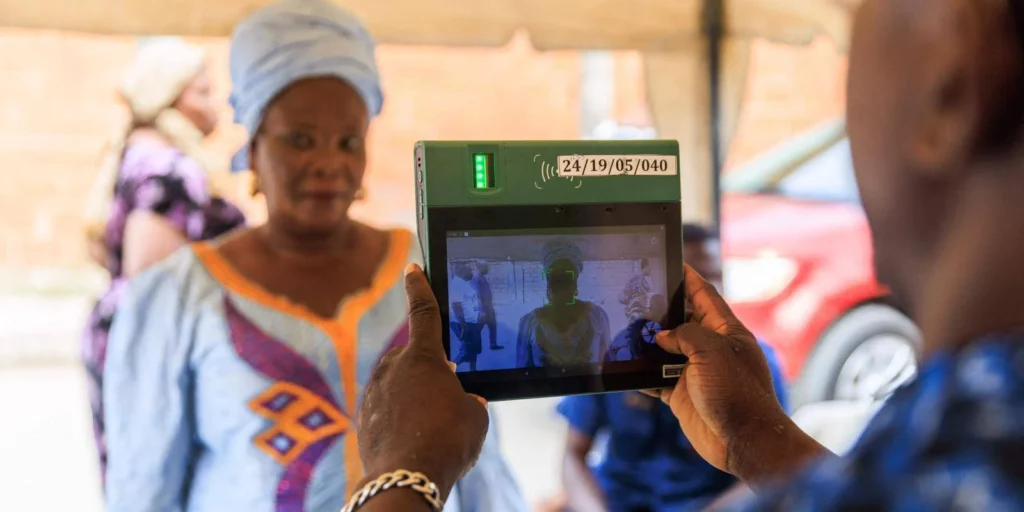
He referenced the 2023 general election, recalling assurances about uploading results to the INEC Result Viewing portal, which gave the impression of real-time monitoring.
“iREV was not even in the Electoral Act; it was only in INEC regulations. So, be careful how you make promises,” Balogun warned.
The N873.78bn being proposed for the 2027 elections marks a sharp rise from the N313.4bn released by the Federal Government for the 2023 general elections.
What you should know
INEC’s request of N873.78bn for the 2027 general elections represents a substantial increase compared to the funding allocated for the 2023 polls, reflecting rising operational, technological and administrative costs.
The Commission says the budget complies with the Electoral Act 2022, which requires early preparation. Lawmakers have raised concerns about funding models and transparency, particularly following controversies from the 2023 elections, including issues surrounding the INEC Result Viewing portal (iREV).
There are also discussions about improving funding mechanisms by placing INEC’s budget on first-line charge to guarantee timely releases.
Additionally, the NYSC has requested increased allowances for corps members serving as ad-hoc election staff, which could further affect total costs.
The National Assembly has indicated willingness to support INEC but warned the Commission against making assurances it may not be able to fulfil.