
The Independent National Electoral Commission (INEC) has refuted reports claiming that results from the February 21 Federal Capital Territory (FCT) Area Council elections will be transmitted in “real-time.”
In a statement released Wednesday in Abuja, Chief Press Secretary to the INEC Chairman, Adedayo Oketola, described the use of the term as a technical mischaracterisation of the Commission’s established electoral procedures.
The clarification followed a readiness assessment tour conducted across Kuje, Gwagwalada, and Bwari Area Councils by the INEC Chairman, Prof. Joash Amupitan, SAN.
According to the Commission, although Prof. Amupitan reaffirmed the central role of technology in the forthcoming elections, he did not use the phrase “real-time” in his remarks to journalists.
INEC explained that the expression suggests a live, simultaneous broadcast of votes as they are cast—a process that is not provided for under the current legal framework or the Commission’s operational guidelines.
Providing context to the Chairman’s comments, the Commission said Prof. Amupitan was responding to questions about INEC’s use of technological tools in elections.
He reportedly noted that the procedure for electronic transmission of results is already well established and has been consistently implemented since 2022.
“Since 2022, INEC has been transmitting results. We have the Bimodal Voter Accreditation System BVAS, and BVAS is capable of accrediting and also uploading and transmitting the results. So definitely, the results will be transmitted”, Prof. Amupitan reportedly stated during the inspection.
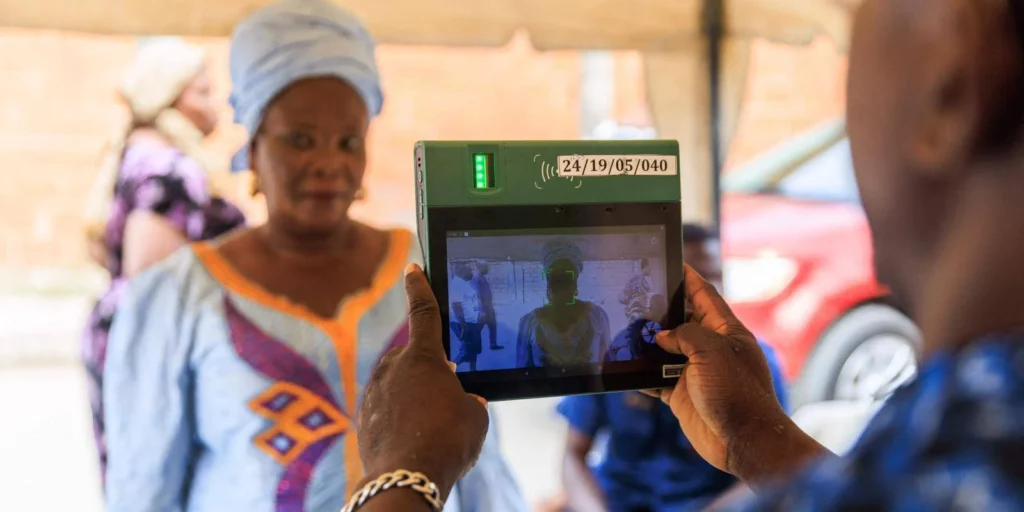
INEC further outlined the legally mandated steps that precede any electronic upload. It stressed that scanned Polling Unit results (Form EC8A) are transmitted to the IReV portal only after voting has concluded, ballots have been manually counted, and result sheets have been duly signed by party agents.
The Commission emphasized that election technology remains a sensitive subject in Nigeria’s political landscape and urged media organizations to report accurately on technical processes.
It cautioned that misrepresentation of procedures could generate avoidable public anxiety and spread misinformation.
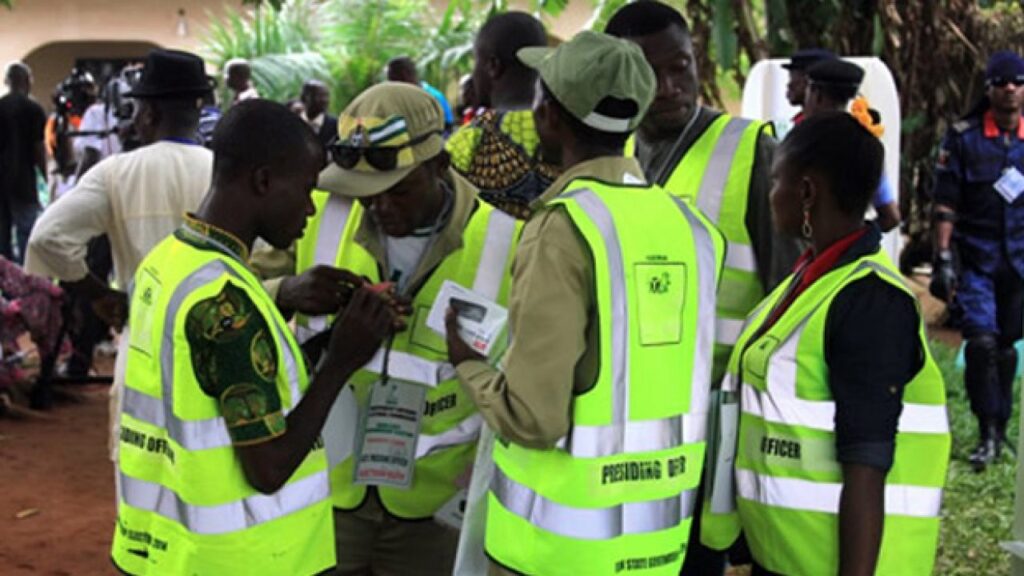
Despite correcting the terminology, INEC reaffirmed its full commitment to delivering a transparent and technology-driven electoral process in the FCT, assuring stakeholders that it will strictly adhere to its established electronic transmission protocols.
What you should know
INEC has clarified that there will be no “real-time” transmission of votes during the February 21 FCT Area Council elections. The Commission explained that such a term implies live streaming of votes as they are cast, which is not supported by existing laws or guidelines.
The Commission confirmed that electronic transmission of results using the Bimodal Voter Accreditation System (BVAS) has been in place since 2022. However, uploads to the IReV portal occur only after voting ends, ballots are manually counted, and result sheets are signed.
INEC has urged the media and the public to avoid technical misinterpretations that could fuel confusion, while reaffirming its commitment to conducting a transparent and technology-supported election process.