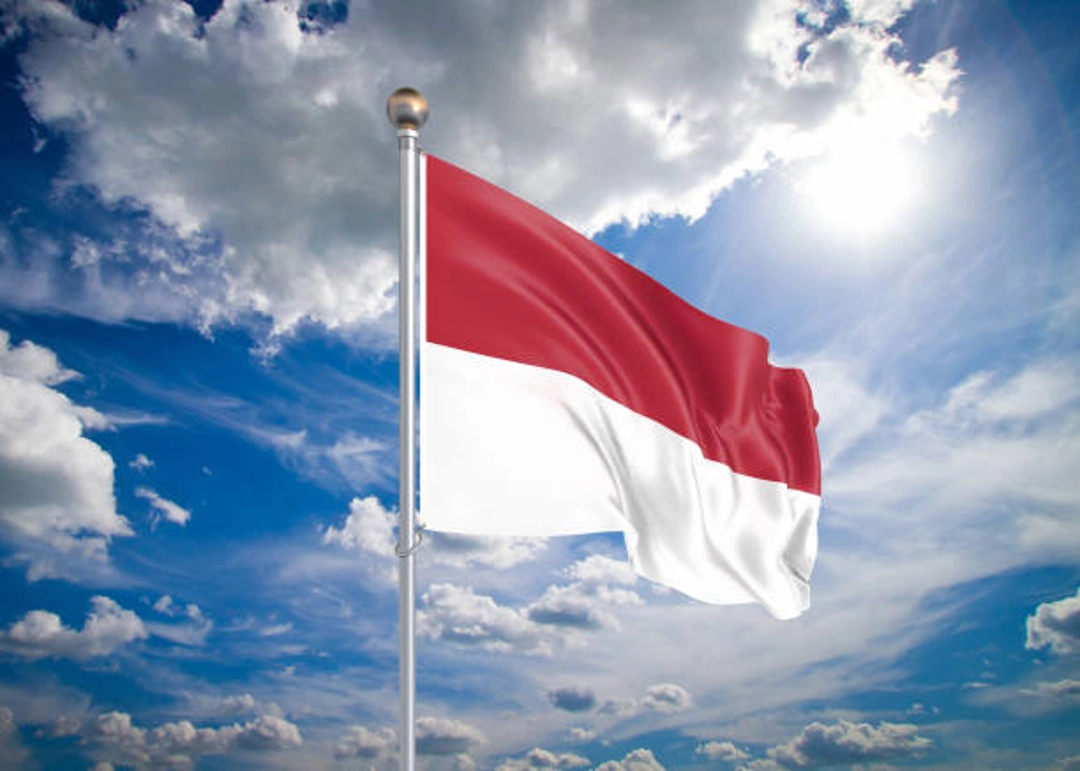
Indonesia has put forward sweeping trade concessions to the United States, including slashing import duties to near-zero levels and committing to a $500 million wheat purchase, as the world’s fourth-most populous nation seeks to defuse escalating tariff tensions with Washington.
The proposals, announced on Friday by Indonesia’s Chief Economic Minister Airlangga Hartarto, represent a significant shift in trade policy as Jakarta confronts a punishing 32% tariff imposed by the U.S. on Indonesian goods. The moves come as Indonesia grapples with a substantial $17.9 billion trade surplus with the United States in 2024, a figure that has drawn scrutiny from U.S. trade officials.
Aviation Deal Anchors Broader Pact
Central to the negotiations is a $34 billion agreement set to be signed next week, featuring a major aircraft purchase by Indonesia’s state carrier, Garuda Indonesia. The airline is in advanced discussions with Boeing to acquire up to 75 aircraft, according to industry sources, marking a significant victory for the American aerospace giant in the competitive Southeast Asian market.
The aircraft deal underscores Indonesia’s strategy of leveraging major purchases to smooth diplomatic relations, a tactic increasingly common among nations seeking to navigate complex trade relationships with the United States.
Wheat Purchase Signals Agricultural Cooperation
The proposed wheat acquisition involves a coordinated effort by Indonesia’s flour mill industry, with association chairman Franciscus Welirang confirming that member companies will purchase two million tons of U.S. wheat through competitive tenders. The deal encompasses major American agricultural traders, including Cargill, Bunge Global, Archer-Daniels-Midland, and Columbia Grain International.
“The point is all of the members will buy U.S. wheat,” Welirang, who also serves as a director at Indonesian food giant Indofood, told Reuters, signaling a unified approach by the industry to support the broader trade initiative.
Tariff Reductions Contingent on Reciprocity
Indonesia’s offer to reduce tariffs on key American exports from the current range of 0-5% to near-zero levels comes with a crucial caveat. “It will be near zero, but it will depend as well on how much the tariffs we get from the U.S.,” Hartarto explained, making clear that Jakarta’s concessions are conditional on reciprocal treatment from Washington.
The Indonesian government is seeking preferential treatment for its exports, particularly electronics, textiles, and footwear, sectors that form the backbone of the country’s manufacturing economy. Senior official Susiwijono Moegiarso emphasized Jakarta’s expectation that the U.S. will “lower the tariffs as low as possible” on these goods in return.
Critical Minerals on the Table
Adding another dimension to the negotiations, Indonesia has dangled investment opportunities in its vast critical minerals sector, including copper, nickel, and bauxite reserves. This offer aligns with U.S. strategic interests in securing supply chains for materials essential to technology and clean energy sectors.
The exclusion of military deals from the current negotiations, as confirmed by Hartarto, suggests both sides are focusing on commercial arrangements rather than broader security cooperation at this stage.
Stakes High for Both Nations
The outcome of these negotiations carries implications for both economies. For Indonesia, success could alleviate the burden of U.S. tariffs that threaten to undermine its export competitiveness. For the United States, the deals represent substantial market opportunities in agriculture, aerospace, and potentially critical minerals extraction.
The timing of the announcement, coming as global trade tensions remain elevated, underscores Indonesia’s pragmatic approach to economic diplomacy. As the world’s largest archipelago nation continues its economic development, its ability to navigate complex trade relationships with major powers like the United States will prove crucial to its long-term prosperity.
The formal signing ceremony scheduled for next week will provide the first concrete test of whether these ambitious proposals can translate into a lasting resolution of the trade dispute between the two nations.
WHAT YOU SHOULD KNOW
Indonesia is offering major trade concessions to escape crippling U.S. tariffs, including slashing its import duties to near zero, buying $500 million in American wheat, and purchasing up to 75 Boeing aircraft as part of a $34 billion deal.
The stakes are high: Indonesia faces a punishing 32% U.S. tariff due to its $17.9 billion trade surplus with America. In return for these concessions, Jakarta wants the U.S. to reduce tariffs on Indonesian electronics, textiles, and footwear exports.