In a coordinated escalation of economic warfare against Moscow, Western powers are mounting their most aggressive push yet to choke off Russia’s oil revenues, with President Donald Trump claiming a major diplomatic victory and Britain unveiling sweeping new sanctions against Russian energy giants.
The intensified pressure campaign comes as Ukrainian President Volodymyr Zelenskiy prepares for crucial talks in Washington on Friday, seeking to secure continued military and energy support while both sides in the grinding conflict increasingly target each other’s energy infrastructure with devastating effect.
Trump Claims Indian Commitment
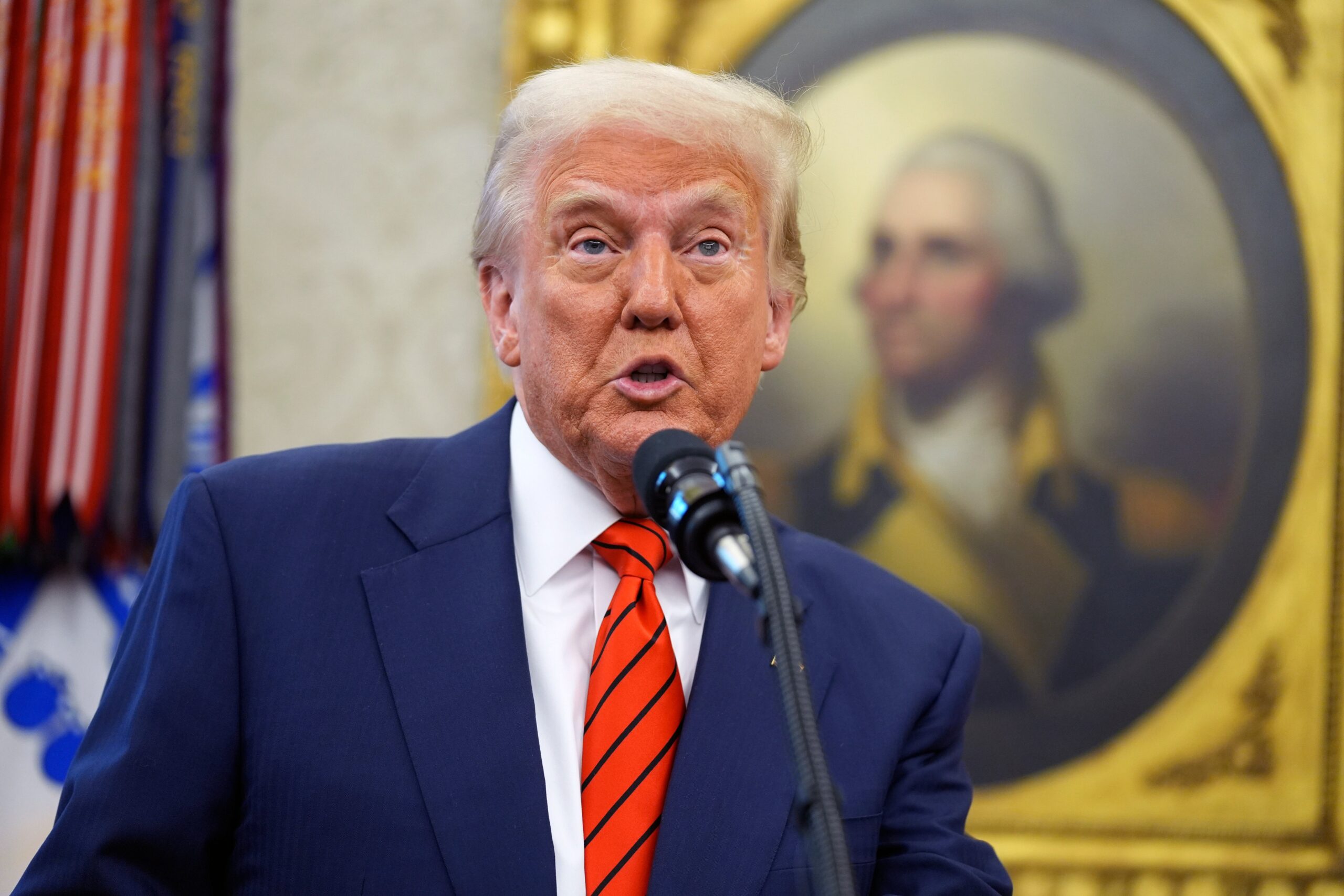
At the center of the diplomatic maneuvering is India, Russia’s largest oil customer alongside China. President Trump told reporters Wednesday that Indian Prime Minister Narendra Modi had assured him during a phone conversation that New Delhi would cease purchasing Russian crude—a claim that, if substantiated, would represent a seismic shift in global oil markets.
“I was not happy that India was buying oil, and he assured me today that they will not be buying oil from Russia,” Trump declared. “That’s a big step. Now we’re going to get China to do the same thing.”
However, the announcement immediately sparked confusion. India’s foreign ministry said Thursday it was “not aware of any telephone conversation” between the two leaders, though it acknowledged discussions were underway regarding deeper U.S.-India energy cooperation. The conflicting statements underscore the delicate diplomatic dance as Washington attempts to leverage trade negotiations—including recently doubled tariffs on Indian goods—to secure concessions on Russian oil purchases.
India’s Energy Dilemma
The stakes for India are substantial. Russian crude accounts for a staggering 36% of India’s oil imports—approximately 1.75 million barrels per day—acquired at significant discounts after European buyers abandoned Russian supplies following the 2022 invasion of Ukraine. Three sources familiar with the matter told reporters that Indian refiners are preparing contingency plans to pivot away from Russian oil, with purchases potentially declining as soon as December, though no formal directive has been issued.
Oil traders expressed skepticism that any transition would be swift, noting India’s heavy dependence on discounted Russian barrels and the logistical challenges of replacing such volumes. Global oil prices remained stable Thursday, suggesting markets are taking a wait-and-see approach.
Britain Unleashes Sanctions Blitz
As Indian officials conducted trade talks in Washington, Britain announced its most comprehensive sanctions package targeting Russian oil operations to date. Finance Minister Rachel Reeves, visiting the United States, unveiled measures targeting oil majors Lukoil and Rosneft—the first time such major Russian producers have faced UK sanctions.
The British government’s actions extend far beyond Russian territory, reflecting the global nature of Moscow’s oil export network. The sanctions net captured 51 vessels, including seven liquefied natural gas tankers, and reached into China’s refining sector with measures against Shandong Yulong Petrochemical—a state-backed joint venture with 400,000 barrels per day of capacity and a major purchaser of Russian crude.
Also targeted were Chinese port operators Shandong Jingang Port, Shandong Baogang International, and Shandong Haixin Port, along with China’s Beihai LNG Terminal, which has been importing Russian gas. Even India didn’t escape the dragnet: Nayara Energy, a Mumbai-based refinery controlled by Rosneft, was sanctioned, compounding pressure from existing European Union measures.
Beijing and Moscow Push Back
The sanctions drew immediate and forceful responses from both Moscow and Beijing. China’s foreign ministry expressed “deep dissatisfaction” and lodged what it termed a “stern protest,” arguing that unilateral sanctions lacking U.N. Security Council authorization violate international law.
Russia’s London embassy dismissed the measures as counterproductive theater that would “destabilize markets, push up costs for British consumers, and have no impact on Russian foreign policy.” Deputy Prime Minister Alexander Novak insisted that Russian-Indian energy cooperation would continue unabated, while President Vladimir Putin, speaking at an energy conference, downplayed concerns about production, suggesting Russian oil output would decline only marginally this year.
Energy Infrastructure Under Fire
The sanctions offensive unfolds against a backdrop of escalating attacks on energy facilities by both warring parties. Since Trump’s summit with Putin in August failed to produce a diplomatic breakthrough, Ukraine has unleashed waves of drone strikes against Russian refineries, while Russian missile and drone attacks have caused catastrophic power outages across Ukrainian cities as winter approaches.
The Ukrainian strikes have proven effective—Russian exports surged in October as Moscow worked to compensate for refinery downtime, with trade data showing increased volumes heading to India even as diplomatic pressure mounted.
Market Implications
Energy analysts warn that successfully curtailing India’s Russian oil purchases would have far-reaching market implications. The discounted Russian barrels have allowed Indian refiners to operate profitably while keeping domestic fuel prices manageable. Replacing those volumes with higher-priced alternatives from the Middle East, Africa, or the Americas could strain India’s economy and potentially drive up global prices.
For Russia, losing the Indian market would be catastrophic. After European customers largely abandoned Russian crude, India and China became essential outlets, allowing Moscow to continue generating revenue despite Western sanctions. Russian producers have been forced to offer steep discounts—sometimes $15-20 per barrel below benchmark prices—to maintain market share.
Diplomatic Chess Match
Zelenskiy’s Friday meeting with Trump takes on added significance in this context. The Ukrainian leader will press for continued military assistance and support for Ukraine’s energy sector, which has been systematically degraded by Russian strikes. He’ll also seek endorsement for Ukraine’s ongoing campaign against Russian energy infrastructure—strikes that Kyiv argues are legitimate military targets given Russia’s assault on Ukrainian power generation.
Meanwhile, the conflicting accounts of the Trump-Modi conversation highlight the complexities of coalition management. Washington needs India as a counterweight to China, but also wants to maximize pressure on Russia. New Delhi seeks to maintain strategic autonomy, balancing its longstanding security ties with Moscow against its growing partnership with Washington. And throughout these negotiations, China—Russia’s most important economic lifeline—watches carefully, knowing similar pressure may soon be directed its way.
As Trump indicated Wednesday, Beijing is the ultimate target: “Now we’re going to get China to do the same thing.” That promise may prove considerably harder to deliver than securing commitments from New Delhi, given China’s economic heft and willingness to defy Western pressure. But for now, Western powers are clearly betting that sustained economic warfare, coordinated sanctions, and diplomatic arm-twisting can finally begin to drain the revenues funding Russia’s military machine.
WHAT YOU SHOULD KNOW
Western powers are launching their most aggressive effort yet to cut off Russia’s oil revenue, with the U.S. and Britain coordinating sanctions while pressuring India—Russia’s biggest oil customer—to stop purchases. President Trump claims India has agreed to halt Russian oil imports (though India disputes this), while Britain has sanctioned major Russian oil giants Lukoil and Rosneft, along with Chinese refiners and ports handling Russian crude.