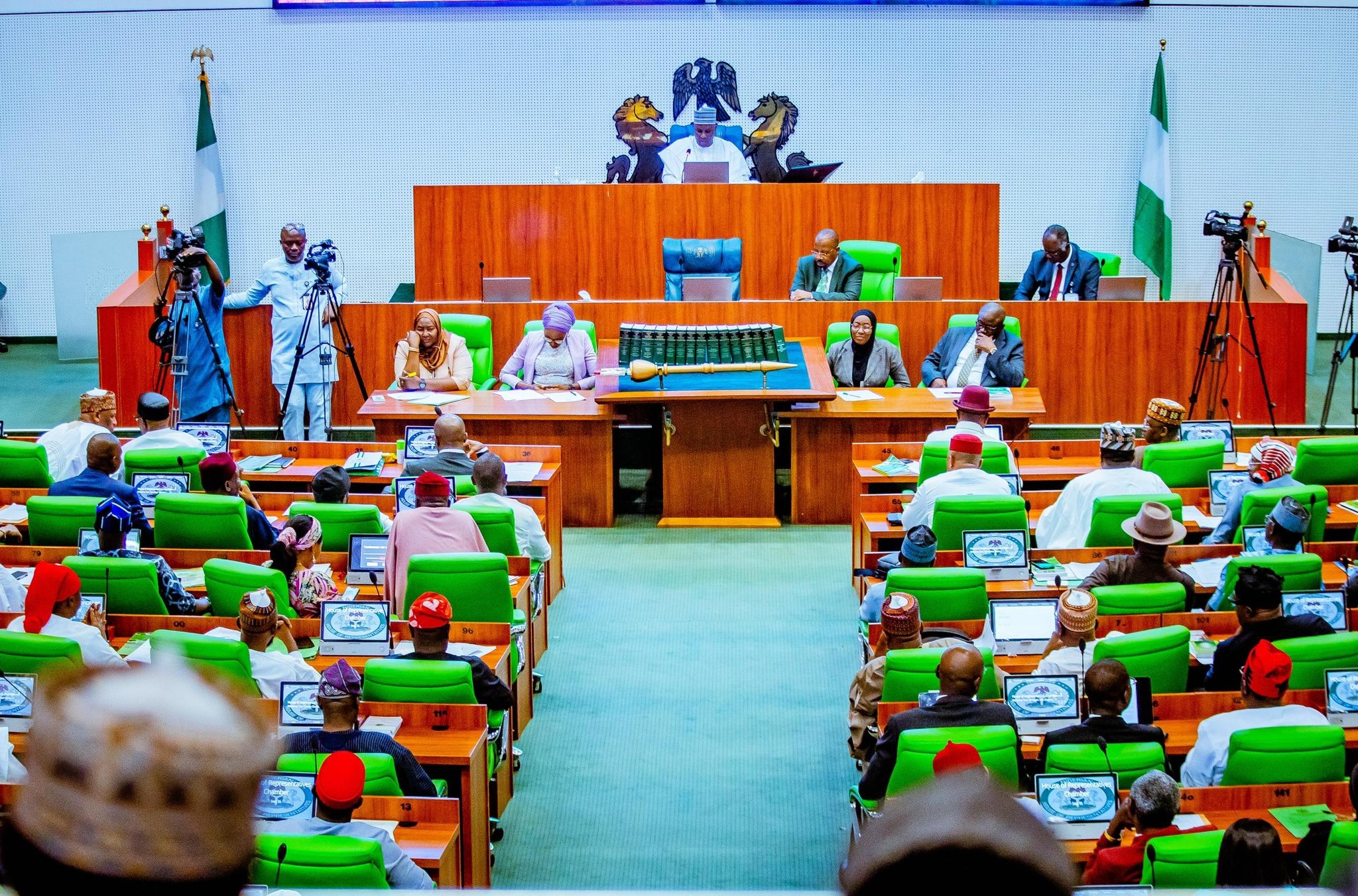
The House of Representatives on Wednesday took another decisive step toward reshaping Nigeria’s electoral system by considering, approving and amending major provisions of the Electoral Act Amendment Bill, a proposed law aimed at reinforcing the authority of the Independent National Electoral Commission (INEC), tightening election procedures and closing loopholes revealed by recent polls.
During plenary, lawmakers examined the bill clause by clause and adopted a range of measures intended to boost transparency, enhance election management and limit disputes that often trail electoral outcomes.
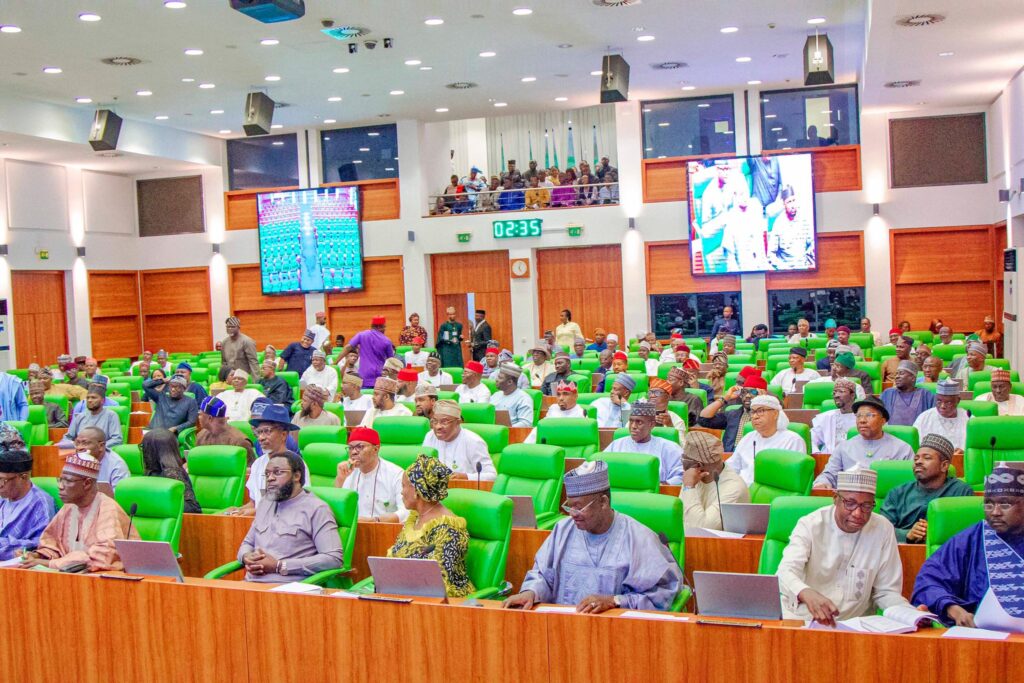
Clauses 3, 5 and 6, which cover preliminary matters and core interpretations within the Act, were approved to ensure that existing definitions properly reflect current electoral realities and practices.
The House also endorsed Clauses 10 and 12, provisions that further entrench INEC’s powers over the planning, supervision and conduct of elections, including the coordination of logistics and the deployment of electoral officials.
Lawmakers adopted Clauses 18 and 22 relating to voter registration as well as the compilation, upkeep and display of the voters’ register. Amendments to these sections were designed to reduce manipulation and promote broader inclusion of eligible voters.
Attention was also given to Clauses 23 and 29, which govern the nomination of candidates by political parties and the submission of candidates’ lists to INEC. These clauses were amended to clarify timelines, improve compliance and strengthen INEC’s supervisory role over party activities.

Further approvals were recorded for Clauses 31, 32 and 34, which address party primaries, the publication of candidates’ details and the qualifications required to contest elective offices. These changes form part of efforts to curb pre-election irregularities.
The House also approved Clauses 47, 50 and 54, touching on voting processes, voter accreditation and the application of technology in elections, thereby reinforcing the legal basis for INEC’s use of electronic systems.
Clause 60, as amended, deals with the declaration of election results, while Clause 62 strengthens rules on the collation, transmission and safekeeping of results in order to minimise disputes arising from contested outcomes.
In addition, Clauses 64 and 65 on electoral offences and penalties were adopted, reflecting a firmer stance against practices such as vote-buying and other breaches of electoral law.
Clauses 71 and 73, which relate to election petitions and the timelines for resolving disputes, were approved, while Clause 74 was adopted with amendments aimed at further streamlining post-election legal procedures.
However, deliberation on Section 51 was suspended and deferred to a later sitting. The Deputy Speaker, who presided, ruled that the provision was absent from the committee report before the House and therefore could not be considered in line with established rules.
The committee’s report on the bill was adopted as a working document, clearing the path for continued consideration of outstanding sections of the proposed amendments.
What you should know
The Electoral Act Amendment Bill is a major attempt by lawmakers to address weaknesses observed in recent elections, particularly around voter registration, candidate nomination, use of technology and dispute resolution.
By strengthening INEC’s powers and clarifying procedures, the House aims to reduce manipulation, improve transparency and cut down post-election litigation.
Although several clauses have been approved, the bill is still undergoing consideration, meaning further debates and possible changes are expected before it becomes law.